

Range Rover 2.0 Ingenium Petrol and Diesel Problems
Range Rover 2.0 Ingenium faults can involve oil condition, misfire, boost, cooling, starting, diesel aftertreatment or several warnings at once. The useful diagnosis starts by confirming the exact petrol or diesel derivative, then matching the symptom to measured engine, airflow, fuel, emissions and electrical evidence.
Confirm the exact Ingenium application before comparing symptoms
Ingenium is a family name, not one universal engine specification. Range Rover Evoque and Range Rover Velar used 2.0 litre Ingenium petrol and diesel engines in different outputs, while Range Rover Sport also used a 2.0 litre SD4 diesel in selected model years. The fuel type, model year, VIN and installed engine identity should therefore be confirmed before a warning is matched to parts or test values.
Electrification can change the diagnostic boundary as well. Some later Ingenium applications use mild-hybrid support, while the Range Rover Sport P400e combined a 2.0 litre Ingenium petrol engine with an electric motor. If the complaint includes charging, high-voltage or hybrid-system warnings, the engine cannot be assessed as though it were a conventional petrol-only installation.
Start with the dashboard message, when it appeared, engine temperature, road speed, load, fuel level, recent refuelling, oil level trend and recent repair history. If the vehicle is used mainly for short journeys, record that too. The pattern gives context without turning normal use into a guaranteed cause.
4 records make the first workshop hour more useful
A few accurate details can shorten the route to the right test. Bring evidence that identifies the vehicle, shows what has already been done and preserves the conditions that triggered the warning.
VIN and current mileage
Confirm the exact petrol or diesel derivative, model year and odometer reading so parts, fluids and technical procedures are matched to the vehicle actually being inspected.
Invoices with specifications
Oil, filter, coolant, fuel, ignition and previous repair records are most useful when the invoice states the product or part used and why the work was performed.
Exact wording and sequence
Photograph the dashboard message safely and note whether another warning appeared before or after it. The event order can separate a primary powertrain fault from secondary protection messages.
When the symptom appears
Record cold or hot operation, idle, steady driving, acceleration, recent refuelling and typical trip length. A safe recording of a noise or visible leak can help preserve an intermittent clue.
Petrol and diesel warning paths separate early
Ingenium is a family name, so the first diagnostic branch depends on the exact fuel type and derivative. Petrol and diesel engines can share a dashboard message while needing very different first tests.
Ignition, direct injection and airflow control
The 2.0 Ingenium petrol architecture combines direct injection, a twin-scroll turbocharger and variable inlet-valve control, so hesitation can cross ignition, injector, fuel-pressure, airflow, valve-control and voltage evidence. Preserve cylinder-specific activity before components are moved. If the engine is shaking, hesitating or repeatedly logging cylinder faults, an engine misfire diagnosis can separate ignition, injection, air leakage and mechanical causes before parts are approved.
Boost, rail pressure and aftertreatment evidence
The diesel route can include charge-air leakage, turbo control, common-rail pressure, exhaust gas recirculation, diesel particulate filter state, SCR and AdBlue operation, exhaust temperatures and injector balance. Some 2.0 Ingenium diesel applications also use series-sequential twin turbocharging, so boost evidence must be matched to the exact derivative rather than treated as one universal layout.
Stop driving signs come before the fault list
Stop safely and arrange recovery for a red oil pressure warning that remains on, abnormal temperature rise, heavy mechanical knock, rapid coolant or oil loss, severe continuing misfire, unsafe throttle response, or dense smoke that does not clear. Repeated restarts are not a safe way to test whether the engine has recovered.
A reduced performance message without overheating, harsh noise, rapid fluid loss, or unsafe response may allow a cautious move to safety. It still needs timely diagnosis. The wording on the cluster is only one part of the risk decision.

Oil history matters more than a top up
Oil quantity, specification, contamination, service duration, filter condition, leakage, consumption, and pressure behaviour are separate pieces of evidence. A normal level does not prove suitable hot pressure. A rising level can be as important as a falling level because dilution or contamination may alter the oil. Confirm the reading using the vehicle procedure and compare it with a documented history.
Where an internal concern is suspected, useful checks may include mechanical pressure measurement, oil and filter inspection, controlled listening, leak or compression assessment where justified, and examination of removed components. One fault code does not prove chain, bearing, pump, piston, or turbo condition.
Noise needs a timeline, not a label
Separate a brief cold start sound from a warm idle tick, load related knock, belt chirp, turbo whistle, exhaust leak, or rattle during engine shutdown. Note duration and whether it follows engine speed. A recording can preserve the event, but workshop location and measurement are still needed.
The technician may inspect accessory drive components, intake and exhaust joints, timing correlation data, oil condition and pressure, injector or combustion balance, and mechanical condition. Avoid repeatedly reproducing a heavy sound for a recording.
Turbo and airflow complaints cross several systems
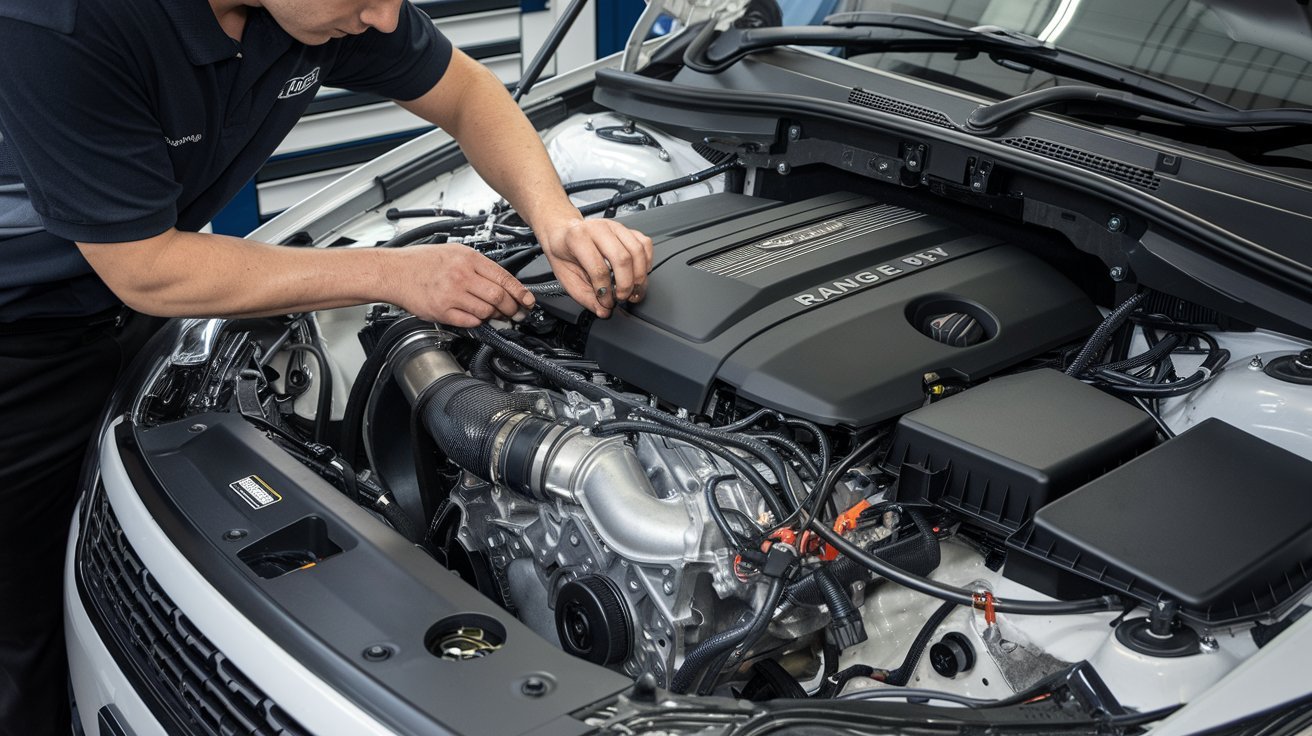
A turbocharger operates inside an air, lubrication, cooling, exhaust, sensing, and control network. Loss of response can come from a split charge hose, restricted filter, actuator or control issue, implausible pressure data, exhaust restriction, fuel delivery, temperature protection, or mechanical condition. Oil seen in pipework must be interpreted by quantity, source, smoke, consumption, and crankcase pressure.
Requested and actual boost, airflow, pressure, and temperature values under a safe controlled load can narrow the deviation. Smoke testing and inspection of joints often add more value than replacing the turbo from a code description.
Diesel aftertreatment needs operating context
A diesel particulate filter message should be interpreted with soot estimation, pressure sensor plausibility, exhaust temperature evidence, regeneration history, engine temperature, fuel level, battery state, and any upstream combustion or airflow fault. A forced regeneration is not automatically safe or sufficient.
Frequent short journeys may reduce opportunities for completed regeneration, but they do not prove the filter itself is the root fault. Correct the conditions that prevent normal operation, verify the sensing system, and establish whether cleaning, further testing, or replacement is technically justified.
Petrol misfire work should preserve cylinder evidence
Read freeze frame information and live misfire counters before codes are cleared or components are moved. Inspect spark plugs and coils, but also consider injector control, fuel pressure, air leakage, compression, valve timing, wiring, grounds, battery voltage, and software context.
If a component is moved for comparison, change one controlled variable and record the result. Moving several parts at once can make a temporary improvement impossible to explain. A flashing warning with severe shaking deserves prompt shutdown because continued misfire can increase exhaust temperature.
Cooling performance must be verified in Dubai conditions
Inspect the cold system for level, condition, traces, hose and joint integrity. Pressure test where appropriate. Observe pump circulation, thermostat behaviour, radiator airflow, fan command and response, and sensor plausibility. High ambient temperature increases demand but does not identify the failed part.
After repair, fill and bleed using the correct procedure. Verify through warm up, idle with realistic load, controlled road testing, and a cold recheck. If the temperature rises, coolant is expelled, or cabin heat changes unexpectedly while the engine is hot, stop safely.
Battery and communication faults can imitate engine problems
Modern powertrain modules depend on stable supply and network communication. A battery may crank the engine while voltage falls enough to create sensor, throttle, transmission, or communication warnings. Test charge state, capacity, terminals, grounds, and voltage drop rather than relying on resting voltage alone.
Scan all relevant modules before clearing them. Compare time stamps and event order where available. If unrelated warnings began after a difficult start or battery work, stabilise supply and see which evidence returns. Do not assume every stored code represents a failed module.
Previous repairs reshape the baseline
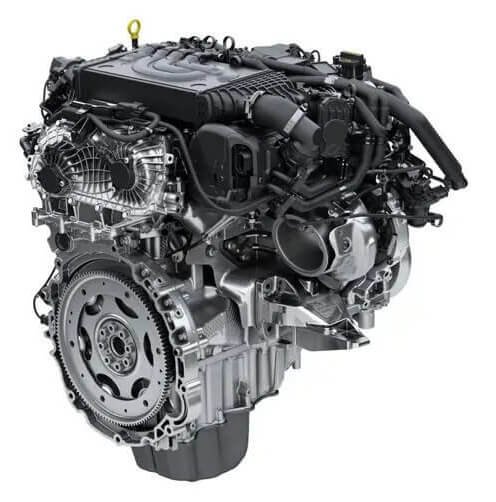
After turbo work, inspect oil supply and return context, retained oil in charge paths, hose security, control operation, and the reason the earlier turbo failed. After cooling work, verify pressure stability and bleeding. After injector or ignition work, confirm correct parts, coding or configuration where applicable, connector integrity, and live operating balance.
After engine or timing work, request oil pressure, timing or correlation evidence, contamination control, transferred component records, and the final road test conditions. A replacement assembly should be identified independently of the vehicle VIN.
Targeted repair, rebuild, and replacement are different decisions
The repair depth should follow the strongest evidence and the condition of the systems around the fault. A large symptom does not automatically justify a large repair.
Targeted repair
Use a focused repair when the failed circuit, seal, sensor, ignition, fuel, cooling, airflow or aftertreatment component is identified and the surrounding mechanical evidence remains sound.
Rebuild
Rebuild becomes relevant when pressure, leakage, compression, oil and filter findings, timing evidence or direct inspection proves internal wear. If the evidence points to internal damage rather than a localised component fault, an internal engine assessment can define what can be repaired before the rebuild scope is approved.
Replacement
Replacement should include assembly identity, compatibility, condition evidence, transferred ancillaries and the supporting cooling, lubrication, intake and electrical checks needed to prevent the original problem from following the new engine.
A complete handover establishes what changed
The final record should state the original complaint, tests performed, measurements before and after work, parts and fluids used, software or configuration actions, and any advisory items still being monitored. Codes should not simply be cleared and forgotten.
Verification must return the engine to the triggering condition when safe. That can include cold start, hot idle, traffic load, controlled acceleration, or a completed aftertreatment check. Photographs and scan reports create a baseline for later ownership decisions.
Used vehicle assessment needs a clean digital and mechanical baseline
A recently purchased Ingenium is easier to diagnose later when the first workshop visit creates a clear reference point instead of immediately clearing history.
Save the full module scan
Historic and current faults should be recorded before clearing so a later warning can be separated from evidence left by earlier ownership.
Record fluids, leaks and cooling
Oil and coolant condition, visible leakage, cooling pressure evidence, intake and charge paths, battery health and charging condition create a practical starting point.
Confirm what is actually fitted
Replacement engines, turbochargers, injectors, control modules or aftertreatment components may need their own part and installation history rather than being assumed from the vehicle badge.
Create the operating reference
A controlled road test records current response, temperatures and warning behaviour. The baseline cannot guarantee future reliability, but it makes later changes measurable instead of guessed.
Short journeys affect petrol and diesel vehicles differently
The same short-trip routine can create different diagnostic context depending on the exact Ingenium derivative.
Cold starts, moisture and battery recovery
Repeated short use can mean more cold-start enrichment, less charging recovery and repeated heat cycles without a long stable operating period. Record trip length, idle time, parking duration and whether a longer journey changes the behaviour.
Aftertreatment and operating temperature
Short journeys can reduce the opportunity for completed aftertreatment operation, but they do not prove the particulate filter is the root fault. Battery state, temperature, airflow, pressure sensing and regeneration history still need to be checked together.
Do not use an aggressive drive as a diagnostic shortcut. If oil pressure, temperature, misfire, fluid loss or unsafe response is present, the next step is inspection or recovery rather than trying to clear the warning on the road.
Fuel system evidence should precede injector replacement
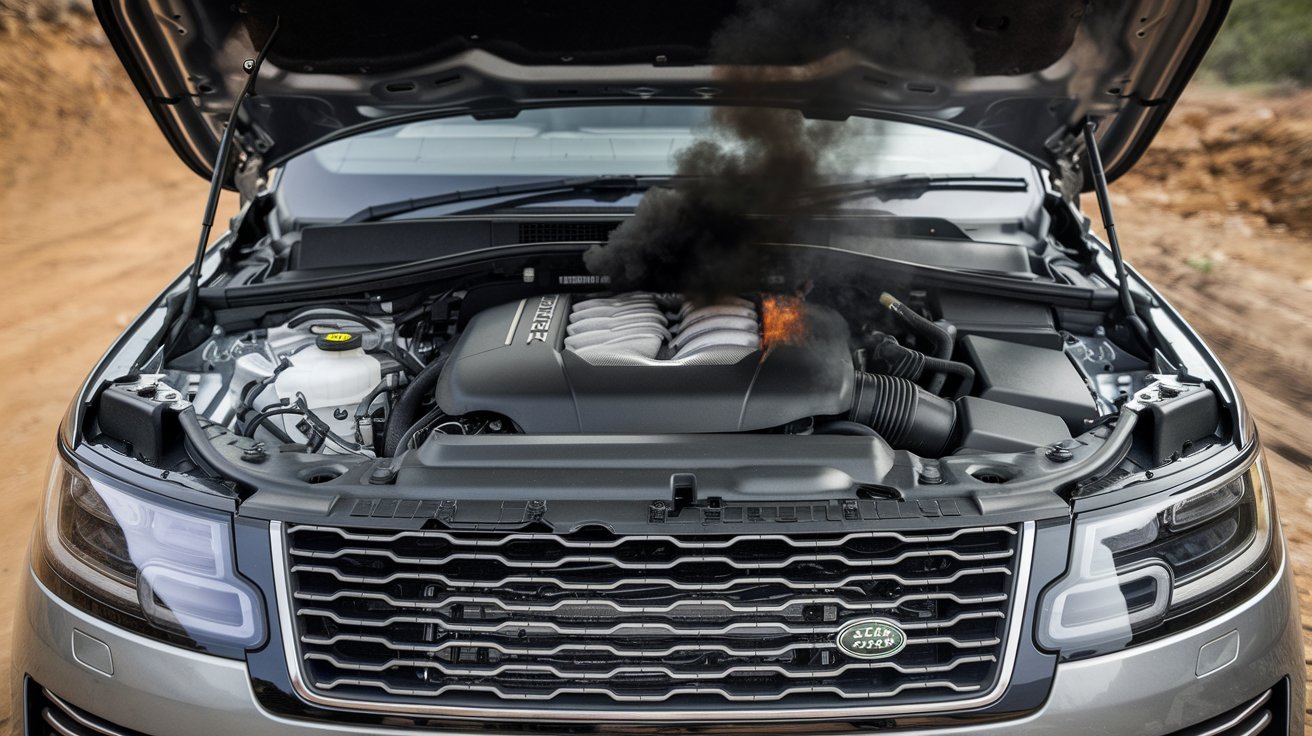
Petrol and diesel systems use different pressure, delivery and combustion strategies, but both need clean evidence. Record whether the concern follows refuelling, a long park, high load or hot restart, then inspect supply, pressure build, wiring, connectors and contamination where justified.
Injector correction or balance information is a clue, not a replacement instruction on its own. A rough cylinder can also follow air leakage, ignition on petrol engines, compression, valve timing, voltage instability or control adaptation. Preserve freeze-frame and cylinder pattern before components are moved.
After repair, verify cold and warm starting, idle quality, pressure stability, leakage and response under the original load. Any coding or configuration step required for the exact vehicle should be completed and documented.
Intake deposits and airflow restrictions require measured context
A dirty visible surface does not establish that it is responsible for the warning. Air filters, ducts, sensors, throttle components, charge hoses, exhaust recirculation on diesel variants, and internal deposits can affect airflow in different ways. Compare requested and measured values and check for leakage or restriction before recommending cleaning or replacement.
Cleaning methods must suit the exact component and engine. Introducing liquid or debris into the intake can cause damage. A workshop should explain where the restriction or contamination was found, how it was assessed, and what supporting fault or operating evidence connects it to the complaint.
Final testing should confirm stable airflow and pressure values, correct response, and no new leakage. If the original concern was intermittent, the report should state the conditions covered and what still needs monitoring.
Parts matching follows VIN, derivative, and installed identity
The same 2.0 litre description can appear across different models, years, calibrations, fuel types, and supporting systems. Confirm the VIN, engine code or derivative, emissions equipment, software state, and any replacement assembly before ordering. A connector that fits or a visually similar housing does not prove functional compatibility.
Where used or remanufactured parts are considered, request origin, part number, revision, condition evidence, and the setup required after installation. Sensors, injectors, modules, turbochargers, and engines may need more than physical fit. Incorrect identity can create a new fault pattern and make the original diagnosis harder to recover.
Record removed and installed part numbers on the invoice. This small step improves future diagnosis and supports a clear ownership history.
Frequently asked questions about Range Rover 2.0 Ingenium problems
Which Range Rover models used 2.0 Ingenium engines?
Range Rover Evoque and Range Rover Velar used 2.0 litre Ingenium petrol and diesel engines in multiple outputs. Range Rover Sport also used a 2.0 litre SD4 Ingenium diesel in selected model years, while the P400e paired a 2.0 litre Ingenium petrol engine with an electric motor. Always confirm the VIN, fuel type and exact derivative before comparing parts or diagnostic data.
Are petrol and diesel Ingenium faults diagnosed the same way?
No. Petrol diagnosis can prioritise ignition, direct injection, airflow, variable valve control and combustion evidence. Diesel diagnosis can add rail pressure, EGR, DPF, SCR, AdBlue, exhaust temperature and different turbo-control checks. The same dashboard wording can therefore lead to different first tests.
Does a DPF warning mean the diesel particulate filter needs replacement?
No. The warning should be interpreted with pressure-sensor plausibility, soot loading, exhaust temperature, regeneration history, engine temperature, airflow and any upstream combustion fault. Cleaning or replacement should follow evidence rather than the warning message alone.
What do EGR, SCR and AdBlue have to do with an Ingenium diesel warning?
They are separate parts of the diesel emissions strategy. EGR manages exhaust-gas recirculation, while the SCR system uses AdBlue diesel exhaust fluid to reduce nitrogen-oxide emissions. A fault in one area should not automatically be treated as a DPF problem.
Does a boost fault or oil in a charge hose prove turbocharger failure?
No. Charge-air leakage, control faults, pressure-sensor errors, exhaust restriction, crankcase ventilation, retained oil from earlier work and engine condition can create similar evidence. The exact turbo layout also matters because some 2.0 Ingenium diesel variants use series-sequential twin turbocharging.
Can a weak battery create several engine warnings at once?
Yes. Low voltage during cranking or unstable supply can affect sensors, control modules and network communication. Battery condition, connections, grounds and voltage drop should be stabilised before unrelated stored faults are treated as separate failed parts.
When is an Ingenium engine rebuild justified?
A rebuild should follow measured internal evidence such as abnormal oil pressure, compression or leakage results, contamination in the oil or filter, timing evidence, overheating damage or direct component findings. Mileage, one code or a noise description is not enough by itself.
What should I send before booking an Ingenium diagnosis?
Send the VIN, model and year, petrol or diesel derivative, exact warning wording, whether the symptom is cold or hot, oil or coolant trends, recent refuelling, typical trip length and details of recent engine, turbo, cooling or emissions work. A safe photo or recording can also help preserve an intermittent clue.
Book a Range Rover Ingenium diagnosis in Dubai
If your Range Rover has an engine warning, misfire, smoke, oil or coolant loss, boost concern, difficult starting or reduced performance, send the VIN, petrol or diesel derivative, exact warning and when the symptom appears. That gives the workshop a vehicle-specific starting point before parts are approved.