
Range Rover wheel damage assessment in Dubai
Range Rover Rim Repair Dubai
Kerb rash, a bent wheel, a crack and a slow bead leak are not the same repair. We separate cosmetic finish damage from dimensional and structural concerns, inspect the tire and wheel together, then recommend refinishing, straightening, another repair route or replacement only when the evidence supports it.
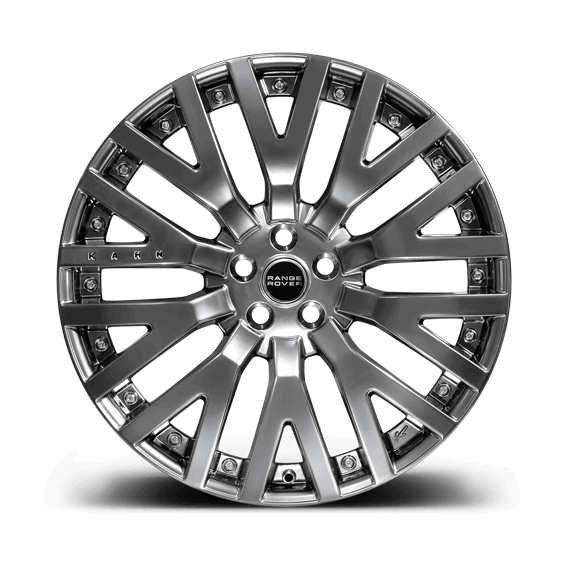
Classify before choosing a process
Four wheel-damage categories need different evidence
A glossy finish can hide a distorted barrel. A straight-looking face can hide a crack on the inner edge. Inspection should cover both sides of the wheel and the fitted tire.
Face and lip scuffs
Kerb marks, scratches and chipped coating may be cosmetic when the metal is not deeply gouged and the wheel remains true. The complete finish type should be identified before sanding or painting begins.
CHECK FINISH AND DEPTH
Bent inner or outer edge
A pothole can distort the rim edge or barrel. Symptoms can include vibration, pressure loss or visible wobble. Runout should be measured with the tire condition considered.
MEASURE BEFORE STRAIGHTENING
Crack or previous weld
Crack location, direction, length, previous repair and surrounding material condition affect whether another repair should be considered. A cosmetic coating must not hide the evidence.
STRUCTURAL DECISION
Bead leak or corrosion
Air can escape where the tire seals against the wheel, through a valve concern or from damage in the tire itself. Clean and inspect the sealing surface before blaming the tread puncture.
LEAK TEST THE ASSEMBLY
Repair, refinish or replace
The route should follow the wheel condition, not the lowest quote
No wheel should be promised repairable from one exterior photograph. The exact alloy wheel, impact history, damage location and measurements determine the responsible route.
Quick answer
Cosmetic damage can often follow a refinishing route after inspection. Bends need runout measurement. Cracks and severe impact need a structural decision. A wheel that cannot be restored with confidence should be replaced rather than hidden under a new coating.
Scuff, scrape and coating repair
The damaged finish is prepared, the surface is restored within the approved cosmetic scope and the colour or face treatment is matched. The wheel should be checked for hidden damage before refinishing.
Bent or buckled wheel
Radial and lateral runout are measured, the damage location is assessed and the tire is inspected. The workshop then decides whether controlled correction is appropriate for that wheel and damage.
Cracked or previously repaired wheel
The wheel needs close inspection from both sides. Crack position near spokes, bolt areas, bead seats or earlier repair can change the decision. Do not assume every crack can or should be welded.
Slow pressure loss at the bead or valve
The tire is removed when needed, the bead seat and rim edge are inspected and the valve or sensor area is checked. Corrosion, impact or tire damage must be separated before sealing work is approved.
Wheel is not a suitable repair candidate
Replacement may be the responsible route when damage is severe, location is critical, earlier repairs are unsuitable, required geometry cannot be restored or the wheel condition remains uncertain.
Inspect the complete wheel and tire assembly
Five checks before the repair quotation
Surface appearance is only one part of the decision. The wheel should be inspected as a rotating, load-carrying and tire-sealing component.
Front face
Scuffs, gouges, finish type, spoke damage and previous cosmetic work.
Inner barrel
Impact marks, bends, cracks and damage hidden behind the spokes.
Runout
Radial and lateral condition measured rather than judged from a stationary view.
Bead and valve
Sealing surface, corrosion, valve or sensor area and the actual leak path.
Tire condition
Sidewall, bead, tread and internal impact evidence that may require a separate tire decision.
Repair can be considered when
- The damage category is clearly identified
- The proposed process suits the location and condition
- Runout or leak evidence can be measured
- The finish can be restored without hiding a structural concern
- The tire and valve are inspected separately
The final decision still depends on the exact wheel and workshop assessment.
Replacement should be considered when
- Damage is severe or located in a critical area
- The wheel has unsuitable previous repairs
- Required shape or sealing cannot be restored confidently
- A crack or deformation remains uncertain after inspection
- The correct repair process is not appropriate for that wheel
A cheaper cosmetic result is not a substitute for a clear structural decision.
Stop driving when the wheel or tire cannot maintain pressure
Rapid pressure loss, a visible crack, severe wobble, exposed tire damage or a strong new vibration after impact needs prompt assessment. Do not keep inflating the assembly and continue driving without finding the cause.
From measurement to final balance
How a Range Rover rim repair is completed
Identify
Record the wheel size, design, finish, position, tire and vehicle application.
Inspect
Check face, barrel, bead, valve area, cracks, earlier repair and tire condition.
Measure
Record runout or leak evidence before the repair route is approved.
Repair
Complete only the approved cosmetic, dimensional, sealing or structural scope.
Refinish
Prepare and restore the identified paint, texture or machined-face appearance.
Verify
Recheck runout, leak status, tire fit, balance and the original driving symptom.
Finish care is part of the service life
Cleaning, prompt inspection and routine review serve different purposes

Brake dust and harsh chemicals can affect the finish. Follow the workshop’s aftercare instructions before applying strong cleaners or protective products.

Early inspection can reveal a bead leak or bend before repeated driving creates more tire wear or pressure loss.

Pressure loss, new balance weights, finish lifting or repeated vibration are reasons for a closer wheel and tire assessment.
Do not confuse connected services
Rim repair, tire replacement, balancing and alignment solve different faults
Rim repair
Addresses confirmed wheel finish, runout, crack or sealing-surface concerns.
Tire service
Addresses tread, sidewall, puncture, matching and tire specification. See the Range Rover tire service page when tire condition is primary.
Wheel balancing
Corrects mass distribution. It does not straighten a wheel or repair a damaged tire.
Wheel alignment
Measures vehicle geometry after mechanical checks. See the wheel-alignment page when geometry is primary.
Avoid replacing the wrong component
Common wheel-damage misdiagnoses
Vibration blamed only on balance
A wheel can be balanced and still have runout, tire deformation or impact damage. Record the speed range and inspect the assembly before repeatedly adding weights.
Slow leak blamed only on a puncture
The valve, sensor seal, bead seat, corrosion and rim edge can leak. Finding a nail does not exclude a second leak path.
Uneven tire wear blamed on the rim
Wheel damage can contribute, but pressure, alignment and worn suspension can create similar wear. Measure each system rather than choosing from appearance alone.
Wheel design changes the repair and finish plan
Range Rover wheel variations should be identified before work
Painted and textured finishes
Colour, gloss, texture and clear coat should be compared with the other wheels. Spot work may look different from a complete wheel refinish.
Machined or diamond-cut appearance
The face treatment, remaining material, previous machining and lacquer condition need assessment. Do not promise repeated machining without inspecting the wheel.
Large-diameter and appearance-package wheels
Low-profile tires, detailed spoke designs, contrast finishes and replacement availability can change access, matching and the responsible repair decision.
Full-size Range Rover, Range Rover Sport, Evoque and Velar can use different wheel widths, offsets, finishes and front-to-rear applications. The VIN and wheel markings should be used together. A visually similar wheel may not be the correct fit for the vehicle.
Quotation depends on damage, measurement and finish
What changes the Range Rover rim repair quotation
The scope depends on wheel size and design, cosmetic damage depth, bend or runout, crack location, bead condition, previous repairs, tire damage, valve or sensor work, finish type and whether one wheel or a matched set needs refinishing.
A useful estimate should separate inspection, structural or dimensional work, cosmetic preparation, finish restoration, tire removal and fitting, valve or sensor items, balancing and any separate alignment or tire work. It should state what can be verified after repair.
No price or completion time should be promised from a distant photograph when the inner barrel, runout and tire cannot be seen. The final scope should follow physical inspection and the exact wheel application.
Range Rover rim repair questions
Answers before approving work
Can every bent Range Rover wheel be straightened?
No. Repairability depends on the exact wheel, bend location, severity, material condition, cracks and previous work. Measure and inspect before deciding.
Can a cracked alloy wheel be repaired?
Some cracks may receive a repair decision after close inspection, while other locations or conditions make replacement more appropriate. Do not approve welding from a photograph alone.
Why does one wheel keep losing air?
The leak may come from the tire, valve, sensor seal, bead seat, corrosion, crack or bent rim edge. The complete assembly should be leak tested.
Will rim repair remove steering vibration?
It can help when measured wheel runout caused the vibration. Tire balance, tire uniformity, wheel bearing, suspension or steering concerns can create similar symptoms and need separate checks.
Can only one wheel be refinished?
Yes, but colour, gloss, texture, machining and the condition of the other wheels affect the visual match. Compare the complete set before choosing spot or full-wheel refinishing.
Does rim repair include wheel alignment?
Not automatically. Alignment measures vehicle geometry. It may be recommended after an impact or when tire wear and steering symptoms support it, but it is a separate decision.
What should I send before booking?
Send the VIN, wheel size and markings, clear photos of the face and inner edge, tire pressure symptom, impact history and a video if the wheel visibly wobbles.
Book Range Rover rim inspection in Dubai
Separate cosmetic finish damage from bends, cracks and bead leaks
Send the VIN, wheel markings, close photos and the tire or vibration symptom. The workshop can then plan the correct inspection and explain whether refinishing, repair or replacement is appropriate.