
Gearbox diagnosis and repair in Dubai
Range Rover Transmission Repair in Dubai
Harsh shifts, delayed engagement, slipping, vibration, fluid leaks, warning messages, or a vehicle that will not move can involve the transmission. They can also come from the transfer case, driveshaft, mounts, software, electrical supply, engine performance, or another drivetrain fault. We start with the exact vehicle and evidence before choosing service, repair, rebuild, or replacement.
A useful answer before the details
A transmission symptom is a starting point, not a repair instruction
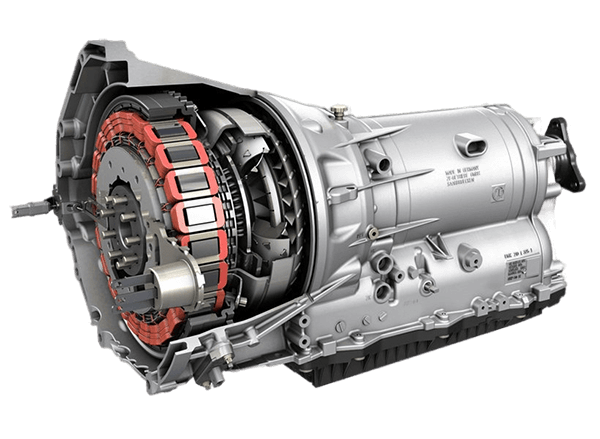
The transmission manages gear selection and transfers engine power through the drivetrain. A fault may be hydraulic, mechanical, electrical, software-related, fluid-related, or caused by another component that feels like a gearbox problem. Accurate diagnosis is important because a fluid service cannot repair every internal fault, while a complete replacement should not be approved when the evidence supports a smaller repair.
The first decision is whether the vehicle is safe to move. The next is to reproduce the complaint, identify the exact transmission and drivetrain, read the available fault information, inspect for leaks and external causes, and compare the findings with the symptom.
Send the model, year, registration or VIN, dashboard message, current mileage, service history if available, and a clear description of when the problem occurs. Note whether it happens cold or hot, during take-off, a specific shift, cruising, reversing, turning, or after a longer drive.
Stop driving when control or drive is uncertain
Arrange workshop advice or recovery if the vehicle loses drive, selects a gear unpredictably, produces a serious grinding noise, has a major fluid leak, displays a critical transmission message, or cannot move safely with traffic.
Continuing to accelerate through severe slipping, repeated banging shifts, or a low-fluid condition can increase damage. Do not crawl under the vehicle or touch hot leaking fluid at the roadside.
Describe the moment the fault appears
Transmission symptoms by driving phase
The timing of the symptom helps separate gearbox concerns from engine, mount, transfer case, driveshaft, brake, wheel, and software issues.
A mild intermittent shift concern with normal drive and no major leak still deserves diagnosis. Record when it happens and avoid heavy loading until checked.
Repeated harsh engagement, noticeable slipping, a warning message, or worsening vibration can justify limiting use and asking whether a direct trip is appropriate.
No drive, unpredictable movement, severe grinding, a large leak, smoke, or a critical warning requires a safer recovery decision rather than continued driving.
A decision map before dismantling
What should be established before major gearbox work
Major transmission work should be the result of connected evidence. The vehicle identity, fault pattern, electrical condition, fluid and leak findings, external drivetrain checks, and internal evidence must point toward the same repair route.
Exact vehicle identity
Confirm the VIN, model year, engine, drivetrain, transmission application, mileage, previous fluid work, and any towing, overheating, impact, flood, or off-road history.
Repeatable operating pattern
Record whether the concern appears cold or hot, during selection, take-off, one shift, cruising, reversing, turning, or after a longer drive. Note whether restarting changes the behaviour.
Diagnosis should move inward only after outside causes have been checked.
Control data and voltage stability
Review relevant modules, current and stored faults, battery and charging condition, connectors, wiring, communication, and live data. Low voltage can create misleading drivetrain behaviour.
Fluid, leaks, cooling, and mounts
Check visible leakage, the correct level procedure where applicable, fluid condition, cooling concerns, selector operation, mounts, and any recent work that could have changed the symptom.
External drivetrain causes excluded
Separate the transmission from the engine, transfer case, driveshafts, differentials, brakes, wheels, tyres, and suspension. A clunk, shudder, or vibration can begin outside the gearbox.
Internal or hydraulic evidence confirmed
Only when the earlier findings support it should the next stage focus on pressure control, torque converter behaviour, mechatronic operation, clutch condition, gear damage, or internal wear.
Avoid the common wrong turn
Three problems that owners often call a transmission fault
A vehicle can shift badly because the gearbox itself is faulty. It can also feel like a transmission failure when the actual cause is outside the unit. Separating these routes prevents unnecessary fluid work, programming, or gearbox replacement.
Engine or electrical input
Uneven engine torque, a misfire, low voltage, sensor data, wiring, or communication problems can affect shift quality and trigger drivetrain warnings.
- Check whether engine performance changed first
- Review battery and charging history
- Read all relevant modules, not only one code
- Confirm whether the symptom follows engine load
Transmission control or fluid route
Fluid level, fluid condition, leaks, temperature, pressure control, solenoids, mechatronic operation, adaptations, software, or an internal transmission concern may affect engagement and shifts. When fluid maintenance is the question, the Range Rover transmission fluid change guide explains why the exact unit, fluid specification and level procedure must be confirmed first.
- Use the correct fluid and level procedure
- Do not use a universal flush as a diagnosis
- Match data to the exact operating condition
- Explain whether service or repair is supported
Drivetrain or chassis route
A transfer case, driveshaft, differential, mount, wheel, tire, brake, or suspension concern can produce clunks, shudder, vibration, or resistance that is blamed on the gearbox.
- Identify whether the symptom changes while turning
- Compare engine speed with vehicle vibration
- Inspect movement and underbody evidence
- Do not replace the transmission for an external noise
A fault code is evidence, not a complete diagnosis. It should be interpreted with the vehicle history, current data, physical findings, and the conditions that produced the complaint. For a broader warning-light or intermittent-fault assessment, see our Range Rover diagnostic inspection in Dubai.
Choose the repair route from the findings
Service, targeted repair, rebuild, or replacement
These options are not interchangeable packages. The suitable route depends on what has been confirmed, the condition of the unit, related damage, parts availability, vehicle history, and the value of each option for the owner.
If the identified transmission is a ZF 8HP, the ZF 8HP gearbox problems and service guide provides a more specific route for shift quality, engagement and service evidence.
| Possible route | When it may be considered | What should be clear before approval |
|---|---|---|
| Vehicle-specific fluid and filter service | Maintenance is due or fluid-related service is supported, with no evidence that service is being used to hide a major internal fault | Exact transmission, correct fluid specification, service method, level procedure, leak condition, parts included, and limits of what the service can solve |
| External or targeted repair | A confirmed leak, connector, wiring, mount, cooler line, selector, seal, control, mechatronic, or other serviceable concern is isolated | The failed item, why it caused the symptom, related checks, coding or adaptation needs where applicable, and post-repair verification |
| Transmission rebuild | Internal damage is confirmed and rebuilding the existing unit is a realistic option for that application and condition | Inspection findings, rebuild scope, reusable and replaced components, related causes, fluid and cooling work, quality checks, and warranty terms offered for the specific job |
| Replacement transmission | The unit is beyond a sensible repair, a suitable replacement is available, or replacement offers the better supported route after comparison | New, remanufactured, or used status, exact compatibility, included components, programming and adaptation needs, related repairs, fluid, testing, and warranty terms |
ZF notes that automatic transmission fluid must be matched to the transmission and that manufacturer instructions and operating conditions matter. Its official guidance also distinguishes conventional and hybrid procedures. See ZF Aftermarket transmission oil guidance. This reference does not replace the specification and procedure for your exact Range Rover.
The exact vehicle changes the scope
Details that should guide a Range Rover transmission quotation
Range Rover and Land Rover vehicles span different generations, engines, transmissions, four-wheel-drive systems, hybrid configurations, control strategies, and software requirements. Model name alone is not enough to order parts or choose a procedure.
Do not approve a generic fluid, rebuild, or replacement quote without vehicle identification. The final quotation depends on the exact application, confirmed fault, parts, fluids, labour, related components, programming or adaptation where required, and current availability. Prices and completion time can only be confirmed after the scope is known.
The repair is not finished at installation
Verification before the vehicle is returned
The checks after service or repair should relate to the original complaint and the work completed. A cleared warning or a short idle period alone does not prove that a shift concern under load has been resolved.
Questions to ask before authorising work
What has been confirmed and what remains possible?
Is the fault inside the transmission or in another drivetrain system?
What evidence supports fluid service, targeted repair, rebuild, or replacement?
What is included in the quotation, and what could change after inspection?
Which programming, adaptation, fluid, cooling, and verification steps apply to this vehicle?
Transmission repair questions
Frequently asked questions
Can I drive with a Range Rover transmission warning?
It depends on the message and vehicle behavior. Stop and ask for recovery guidance if drive is lost, movement is unpredictable, a major leak is visible, severe grinding occurs, or the warning is accompanied by violent shifting or smoke. A mild warning with normal drive still needs prompt workshop advice.
Will a transmission fluid change fix harsh shifting?
Not automatically. Correct fluid service can be appropriate maintenance and may address a fluid-related concern, but harsh shifting can also involve leaks, pressure control, mechatronics, software, electrical supply, mounts, internal wear, engine behavior, or another drivetrain fault. Diagnosis should determine whether service is supported.
Is a gearbox fault the same as a transfer case fault?
No. The transmission manages gear ratios, while the transfer case is part of the four-wheel-drive power distribution on applicable vehicles. Their symptoms can overlap, so the source of a noise, shudder, warning, or loss of drive must be isolated.
When is a transmission rebuild better than replacement?
That decision depends on the confirmed internal damage, condition of the existing unit, parts and expertise available for the exact application, replacement options, related causes, warranty terms, and total scope. The workshop should compare the supported options rather than promote one route universally.
How much does Range Rover transmission repair cost in Dubai?
The price depends on the exact vehicle and transmission, confirmed fault, diagnostic work, fluid and parts, labour, removal needs, related drivetrain or cooling repairs, programming or adaptation, and whether the route is service, targeted repair, rebuild, or replacement. An accurate quote follows identification and diagnosis.
What should I send before booking?
Send the model, year, registration or VIN, current mileage, dashboard message, a video if it can be recorded safely, the driving phase when it happens, whether the vehicle still moves normally, leak information, and recent battery, transmission, or drivetrain work.
Book diagnosis before major gearbox work
Get the transmission fault confirmed at our Dubai workshop
Tell us when the symptom occurs, whether the vehicle still selects and holds gear, what warning is displayed, and whether a leak, noise, vibration, or recent repair is involved. If the vehicle cannot move safely, ask about recovery rather than driving it further. Our Range Rover roadside assistance page explains the contact route for a breakdown.