

Diagnosis-led engine work in Dubai
Range Rover Engine Repair in Dubai
Overheating, oil-pressure warnings, coolant loss, timing noise, misfires, smoke, rough running or loss of power can come from several engine and supporting systems. The correct route starts by confirming the fault, the extent of any damage and whether targeted repair, internal rebuild or engine replacement is justified.
A clear first step
Know what your engine needs before the repair begins
We inspect Range Rover engine faults and explain whether the vehicle needs a contained repair, internal engine work or replacement. Overheating, oil-pressure warnings, misfires, smoke and timing noise can have several causes. Testing the affected system first gives you a defined repair recommendation and a written scope instead of a guessed parts list.
Start by sending the model and a short description of the problem. If the engine has overheated, lost oil pressure or developed a heavy knock, tell us before driving it. We can advise whether to book workshop diagnosis or arrange recovery.
Range Rover engine repair prices
Estimated engine repair costs in Dubai
These market planning ranges help you understand the likely budget before inspection. They are not fixed quotations. The final total depends on the exact engine, confirmed fault, parts selected and any related damage found.
Engine fault diagnosis
AED 250–700
Estimated inspection range for fault scanning and the engine-specific tests needed to identify the affected system. Additional dismantling is quoted separately if required.
Contained engine repair
AED 1,200–6,000
Typical planning range for confirmed external leaks, ignition, fuel, sensor, cooling or supporting-component repairs where the main engine remains serviceable.
Timing or cylinder-head work
AED 4,500–18,000
Estimated range where timing components, cylinder-head access, machining, seals or related cooling work are required. Scope varies considerably by engine.
Major repair or rebuild
AED 10,000–40,000+
Market planning range for substantial internal damage, engine overhaul or a complex replacement route. Parts source and supporting systems strongly affect the total.
What the written quotation should show: labor, selected parts, required fluids and seals, machining or programming where applicable, final testing, VAT treatment and exclusions. A wide estimate becomes a firm repair scope only after the fault and damage are established.
For internal engine work, the quotation may be staged. The first approved amount covers diagnosis or access needed to see hidden damage. If new findings change the job, the workshop explains the evidence and revised cost before continuing. This gives you a clear spending boundary instead of an open-ended authorization.
Match the symptom to a test direction
Engine symptoms that need structured diagnosis
No single symptom confirms a rebuild or replacement. The pattern, warning status, fluid levels and recent history determine the next check.
A repeatable noise, mild leak, rough idle or warning that clears may still need prompt inspection. Record when it occurs and avoid heavy load until advised.
Use caution with persistent misfire, increasing temperature, visible fluid loss, heavy smoke or a warning that returns. Ask whether a direct workshop trip is appropriate.
Stop for red oil-pressure warnings, severe overheating, strong knocking, rapid fluid loss, seizure, major smoke with poor control or any instruction to stop.
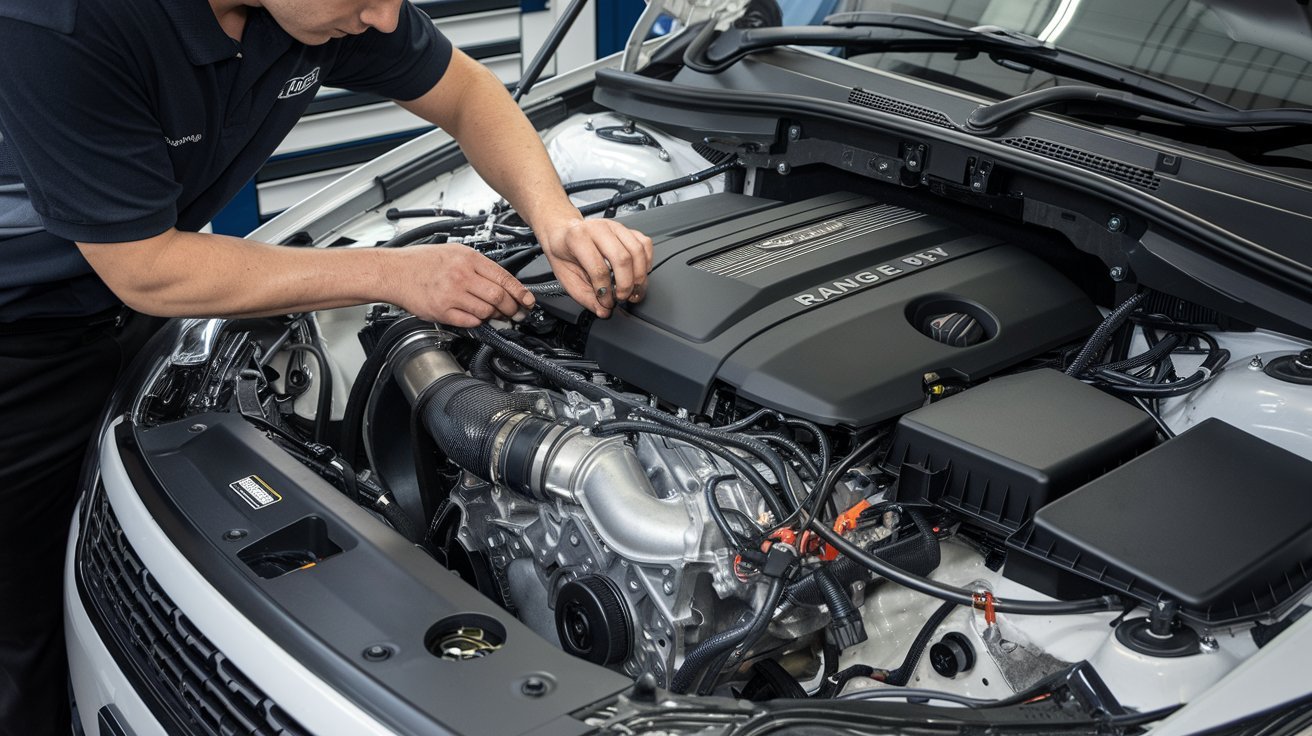
Build the evidence in layers
How an engine fault is narrowed down
Identify the exact engine and history
Confirm the VIN, engine family, mileage record, prior overheating, oil or coolant loss, previous timing work, recent parts and the point when the symptom began.
Check the current vehicle state
Review fluid levels and condition, visible leakage, battery and charging condition, warning messages, stored faults and whether the engine can be run safely.
Test the affected system
Use relevant pressure, temperature, electrical, cylinder-balance, compression, leak-down, timing, fuel, air or cooling checks according to the complaint.
Assess internal damage
When evidence points inside the engine, establish which components or surfaces are affected and whether contamination or overheating has spread beyond one area.
Compare realistic repair routes
Define what targeted repair, rebuild or replacement would include, what remains uncertain, which related causes must be corrected and how the finished engine will be verified.
Choose the route that matches the finding
Targeted repair, engine rebuild or replacement
The words repair, rebuild and replacement describe different scopes. The quotation should make that scope visible rather than using the terms interchangeably.
One confirmed area can be repaired
This route may suit an external leak, a verified cooling component, an ignition or fuelling fault, a timing-related component, a sensor or wiring issue, or another fault where the main engine remains serviceable. The cause and related damage still need confirmation.
The existing engine is suitable for a defined overhaul
A rebuild should state which internal components are being measured, machined, renewed or reused. It also needs a plan for contamination control, cooling and lubrication causes, assembly checks and post-repair verification. “Rebuilt” should not mean an undefined list of parts.
A compatible replacement is the more realistic route
Replacement may be considered when damage is extensive, the existing unit is unsuitable for repair or a documented replacement offers a clearer scope. Compatibility, source, condition, included accessories, coding, fluids and warranty terms must be confirmed.
A replacement engine does not remove the need to diagnose the original failure. A cooling fault, lubrication restriction, intake problem or control issue can damage another engine if the initiating cause remains.
A repeatable workshop path
Engine repair process from complaint to verification
Record the concern
Capture the warning, noise, smoke, temperature, fluid loss, starting behaviour and the exact condition when it appears.
Protect the engine
Decide whether running is safe, preserve current evidence and avoid tests that could worsen an oil-pressure, overheating or internal mechanical fault.
Measure the cause
Use only the tests relevant to the suspected system and compare results with the exact engine information.
Approve a defined scope
Explain confirmed faults, related damage, parts status, exclusions, additional findings and the proposed verification.
Verify the original symptom
Check fluid integrity, warning status, temperatures, pressure or cylinder behaviour, road operation and any required adaptations after repair.
Typical engine repair quotations
What different engine jobs can look like
These three illustrative quotations show how the diagnosis and repair route change the total. They are budgeting examples, not claims of completed customer work. Your quotation will follow the exact model, engine, findings and selected parts.
Misfire diagnosis and contained repair
- Fault scan and cylinder-balance testing
- Compression check where indicated
- Spark plugs and one confirmed ignition coil
- Clear faults and verify under load
AED 2,650
Illustrative total. A fuel injector, wiring fault or internal compression problem would require a different scope.
Cooling leak and overheating repair
- Cooling-system pressure testing
- Confirmed leaking cooling components
- Required seals, coolant and system bleeding
- Temperature verification and road test
AED 5,800
Illustrative total for a contained cooling repair. Cylinder-head or internal damage is not included.
Internal engine repair assessment
- Mechanical condition and oil-system testing
- Engine removal and approved internal access
- Defined rebuild scope with machining allowance
- Fluids, assembly checks and final testing
AED 18,500
Illustrative staged quotation. The approved total changes if crankshaft, block, turbo or fuel-system damage is found.
All figures are estimated planning examples. The workshop quotation should confirm parts status, inclusions, VAT, additional-work approval and the warranty that applies to the chosen repair.
Model and powertrain details matter
Engine choices depend on the exact Range Rover
Range Rover and Land Rover vehicles use different petrol, diesel, hybrid and electric powertrains across generations and markets. The same warning can require a different diagnostic route on a naturally aspirated petrol engine, a supercharged or turbocharged engine, a diesel engine or a petrol engine within a hybrid system. Fully electric vehicles do not have a combustion engine, so this service intent does not apply in the same way.
For engine-family detail, you can review the 3.0 SDV6 and TDV6 problems guide or the 2.0 Ingenium petrol and diesel problems guide before booking. These guides can help you recognize common patterns. We can begin with your model and symptom, then request the VIN if it is needed for parts matching or an exact quotation.
Use the VIN and fitted equipment before ordering timing, cooling, lubrication, ignition, fuel, turbo or internal engine parts. Service information, fluid requirements, tightening procedures, software steps and safety precautions can differ. Generic instructions should not be applied across engines.
The correct parts and procedure are matched to your vehicle. Engine family, model year and fitted equipment are checked before parts are ordered or major work is approved.
Planning the workshop visit
How long Range Rover engine repair can take
Turnaround depends on whether the concern can be reproduced, which tests are needed, parts availability and whether the engine must be opened. We confirm the immediate next step first and give you a more useful time estimate once the repair category is clear.
Often assessed on the first workshop visit
A repeatable warning, misfire, leak or running concern may be narrowed down during the initial visit. Intermittent faults, controlled cold-start checks or problems that appear only when fully warm can require the vehicle to remain longer. We will explain what still needs testing before recommending parts.
Commonly one to three working days
Once a limited fault and the required parts are confirmed, many cooling, ignition, fuel, sensor, seal or supporting-system repairs can be completed without opening the main engine. Timing begins after you approve the written quotation and the selected parts are available.
Usually planned in stages
Cylinder-head work, internal repair, rebuilding or replacement can take one to three weeks or longer. Removal, specialist machining, parts sourcing, assembly and testing all affect the schedule. We provide an updated estimate when inspection reveals the actual internal condition.
What happens after you contact us
Send the model and main symptom by WhatsApp or call the workshop. We will help decide whether the vehicle should be driven, booked for diagnosis or recovered. At the workshop, the engine is inspected and the relevant system is tested. You receive the findings, suitable repair route and written quotation before approved work begins.
After repair, the original symptom is checked again. Depending on the job, final checks can include fluid integrity, warning status, operating temperature, oil pressure, cylinder behavior, adaptations and a controlled road test. The handover explains the work completed, the parts route used and any separate observation that was not part of the approved repair.
Engine repair questions
Frequently asked questions
Does an engine warning mean the engine needs rebuilding?
No. A warning can involve ignition, fuel, air, cooling, lubrication, timing, sensors, wiring or internal mechanical conditions. Rebuilding should follow evidence of internal damage and a defined repair scope.
Can I drive with an oil-pressure warning?
A persistent red oil-pressure warning requires immediate caution. Stop safely, switch off the engine and ask the workshop about recovery. Continuing without verified oil pressure can cause serious damage.
Can overheating damage a Range Rover engine?
Severe or repeated overheating can affect sealing surfaces, cylinder heads, lubrication and other components. The extent depends on temperature, duration, fluid loss and engine design. The cooling cause and any secondary damage should both be assessed.
Is an engine rebuild better than replacement?
The suitable route depends on the exact damage, condition of the current unit, availability and documentation of a replacement, compatibility, total scope, verification and warranty. Neither option is automatically better for every vehicle.
How much does Range Rover engine repair cost in Dubai?
Diagnosis commonly falls within AED 250 to 700, contained engine-related repairs may fall within AED 1,200 to 6,000, and major internal repair or rebuild work can range from AED 10,000 to AED 40,000 or more. These are estimated planning ranges; inspection is needed for an accurate scope.
What information should I send before booking?
Send the model and a short description of the symptom. If available, the year, warning message and a safe photo or video can help. We will ask for the VIN or repair history later if it is needed for diagnosis or parts matching.
Book Range Rover engine repair
Get the right repair plan and price
Send your Range Rover model and the main symptom. We will help arrange workshop diagnosis or recovery, explain the suitable repair options and provide a written quotation before approved work begins.