

Second-generation Evoque · L551 · 2019 onward · Dubai
Range Rover Evoque L551 Repair and Service Dubai
Configuration-aware care for a newer Evoque generation, where powertrain variant, software state, battery condition, fitted driver systems and the order of warning messages can all change the correct diagnostic route.
When several warnings appear together
Start with the first event, not the longest fault list
The L551 moved the Evoque onto Land Rover’s Premium Transverse Architecture. Official launch material described a platform designed for electrified powertrains, including mild-hybrid and later plug-in hybrid applications, alongside Ingenium petrol and diesel engines. Later vehicles also gained Pivi Pro infotainment and connected features. The badge may look familiar, but the vehicle’s exact configuration matters.
If the dashboard shows several messages, record which one appeared first, what the vehicle was doing and what changed immediately before it. A low-voltage event, lost network message, implausible sensor input, software state or physical system problem can influence more than one module. Multiple warnings do not prove one cause, and one fault code does not prove one failed part.
Send a clear photo of the message, model year, engine or charging variant if known, recent battery or repair work, and whether the concern occurs cold, hot, while manoeuvring, after charging, in rain or at a specific speed. That evidence gives the workshop a better starting point than a list cleared by a generic scanner.
What should an owner do first?
Preserve the warning sequence and avoid repeated resets. If steering, braking, engine temperature, vehicle control or high-voltage safety is affected, stop and arrange appropriate recovery. If the vehicle remains stable, record conditions and book diagnosis before authorising a module, sensor or battery solely from a code description.
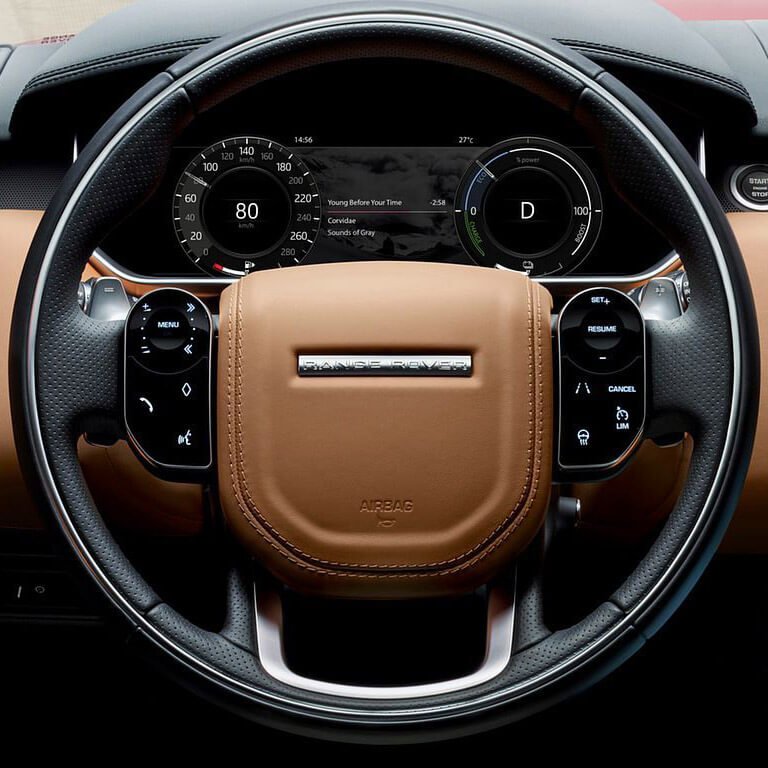
4 layers shape an L551 diagnosis
A modern warning must be tied to the vehicle’s configuration
Physical condition
Leaks, impact, wear, heat damage, connector condition, tyre differences, brake condition, mechanical play and water entry still matter. Software cannot repair a physical defect.
Owner evidence
Record the first message, operating conditions, sounds, smells, recent work, charging events and whether the concern changes after restart.
Power and communication
Battery capacity, charging response, grounds, power distribution and network availability can influence multiple systems. Establish a stable electrical foundation before condemning modules.
Scan evidence
Compare current, pending, historic and communication faults across related modules. Preserve freeze-frame and status information where available.
Software and configuration
Confirm installed modules, vehicle build, calibration and update context. A replacement component may require configuration or calibration after physical installation.
Live behaviour
Test relevant sensor values, command response and system interaction under the conditions that produced the concern.
Post-repair proof
Repeat the warning condition, road test or functional test safely. Verify calibration, communication and scan status rather than relying only on a cleared dashboard.
Owner handover
State what was confirmed, what was corrected, what remains advisory and which observation should trigger follow-up.
The sequence behind the symptom
4 moments owners should record
Before start-up
Was the vehicle parked for days, recently charged, exposed to heat, washed or left after electrical work?
At the first message
Capture exact wording, warning colour, start quality and whether other displays or functions changed.
While driving
Record speed, steering, braking, road surface, power response, noise and whether the vehicle entered a restricted mode.
After restart
Note what cleared and what remained. A cleared message can still leave diagnostic evidence and does not automatically prove safety.
This chronology is especially useful for intermittent concerns. It helps separate a fault that begins with power supply from one triggered by wheel movement, engine load, temperature, camera availability, parking manoeuvres or a charging event.
One generation, several electronic eras
The L551 changed inside the same generation
A 2019 Evoque and a later L551 can share the same basic body generation while using different infotainment, electrical and electrified-powertrain arrangements. That matters when a screen, camera, charging or communication fault is diagnosed. Model year and VIN should be confirmed before software, modules or charging capability are assumed.
2019 to 2020 vehicles start from the PTA platform
The second-generation Evoque launched on Premium Transverse Architecture with four-cylinder Ingenium engines and available 48V mild-hybrid technology. Early infotainment and electrical assumptions should not automatically be carried into later Pivi Pro vehicles.
Pivi Pro brought a newer electrical architecture
For 2021 Land Rover introduced Pivi Pro with a newer electrical vehicle architecture and software-over-the-air capability across supported systems. A reboot, update or lost-message complaint therefore needs the installed platform and software state confirmed first.
The cabin and P300e charging capability changed again
The 2024 update moved major controls to an 11.4-inch curved Pivi Pro display and later P300e versions gained standard DC rapid charging. Charging and infotainment diagnosis should follow the actual model year rather than a generic L551 specification.
VIN beats assumption. Land Rover’s iGuide recommends using the VIN because model-year information can include derivatives or optional equipment that are not fitted to the individual vehicle.

Electrical stability before electronics
A module code is the beginning of a test
Modern systems depend on clean power, grounds, communication and plausible information from other modules. If a module reports a lost message, the cause may sit at the sending module, the receiving module, a shared network path, power supply, ground or connector. Replacing the module named in the description can miss the actual fault.
Battery assessment should go beyond resting voltage. Capacity, terminal condition, charging response, sleep behaviour and evidence of recent discharge matter. If the battery was replaced, confirm that the correct specification and any required vehicle procedure were addressed. Persistent drain needs a measured sleep and current investigation, not repeated battery replacement.
Water entry, prior collision repair, accessory installation and disturbed wiring should also be considered. A visually clean connector may still need circuit testing. A corroded connector should prompt a search for the moisture path before the visible damage is treated as an isolated event.
Electrified faults need the right voltage boundary
12V, 48V and high-voltage evidence are different systems
Not every L551 has the same electrical architecture. A warning that follows a battery event, stop-start concern or charging problem should first be tied to the exact powertrain before a battery, starter-generator, charge component or control module is approved.
The conventional low-voltage system still supports module wake-up, communication and many control functions. Battery capacity, terminals, grounds, charging response and sleep behaviour remain the first foundation when several systems report low-voltage evidence.
MHEV L551 variants add a 48V lithium-ion battery and belt-integrated starter generator that recover energy during deceleration. Stop-start or energy-recovery symptoms should not be reduced to a normal 12V battery diagnosis.
The plug-in hybrid uses a separate traction battery and electric rear drive in addition to the low-voltage vehicle system. Charging, EV-mode and high-voltage warnings require the correct P300e configuration and safe high-voltage procedures. Do not disturb orange high-voltage components.
Powertrain routes must stay separate
Petrol, diesel, mild hybrid and plug-in hybrid evidence is not interchangeable
Combustion and driveline concerns
For hesitation, rough running, smoke, temperature warnings, fluid loss or reduced power, identify the engine and fitted systems first. Inspect intake, cooling, ignition or fuelling evidence only as appropriate to that configuration. A transmission sensation can be influenced by engine output, mounts, tyres, driveline components or control inputs, so reproduce it before assigning the fault.
Leaks should be traced to their source and travel path. Residue below a component does not prove the component above it is responsible. Pressure, temperature, fluid and scan evidence should support major repair decisions.
Electrified-vehicle concerns
Mild-hybrid and plug-in hybrid vehicles add configuration-specific power, charging and energy-management considerations. A charging concern can involve the supply, cable, charge interface, vehicle settings, temperature, low-voltage system or high-voltage components. The correct route depends on the exact vehicle and safe procedures.
Do not attempt DIY work on orange high-voltage components. Warning messages, damaged charging hardware, impact near high-voltage areas, unusual heat, smoke or odour require an appropriately qualified assessment and safe isolation approach.
Driver assistance and cameras
Clean the view, then verify the complete signal path
Parking sensors, surround-view cameras, driver-assistance features and display systems can be affected by dirt, physical damage, alignment, wiring, communication, configuration and calibration. A blocked lens is a sensible owner check. It is not an explanation for a repeatable fault after the view is clean.
Record whether the concern followed windscreen work, bumper repair, wheel alignment, impact, battery work or software intervention. Inspect the fitted sensor or camera, mounting, connector and related wiring. Compare the module’s stored evidence and live information. Where calibration is required, physical alignment and vehicle condition must be suitable before the calibration result can be trusted.
Infotainment behaviour also needs platform identification. Official Land Rover information shows Pivi Pro appearing on later L551 model years. A blank screen, reboot, audio loss, phone connection problem and missing camera display do not all share one repair. Confirm power, platform, network behaviour, update context and which functions fail together. If the fault remains centred on the screen, audio, phone connection or camera display after power and network checks, a focused infotainment diagnosis can then test that system without turning every connected warning into an infotainment repair. If the request is to add a compatible feature rather than repair an existing fault, the Range Rover retrofits guide explains the compatibility checks needed before parts are ordered.
Do not continue driving when control, temperature or electrical safety changes
Arrange recovery or appropriate transport for an overheating warning, heavy fluid loss, smoke, strong fuel smell, significant steering or braking change, tyre damage affecting control, escalating mechanical noise, high-voltage warning with unusual heat or odour, or accident damage near electrical components. Restarting the vehicle is not a safety test.
An amber warning with normal vehicle behaviour may allow a cautious route to inspection, but the handbook guidance and actual symptom should govern the decision. If there is doubt about steering, braking, heat, smoke, fluid loss or electrical safety, do not drive for convenience.
A repair process for a connected Evoque
From configuration check to verified handover
Identify the exact build
Confirm VIN, model year, engine, drivetrain, electrification, fitted driver systems and infotainment platform. Registration year alone may not describe every installed feature.
Preserve evidence before resets
Capture warning order, owner conditions, scan status, communication faults and relevant live data. Note recent software, battery, glass, body, wheel or charging work.
Test the smallest responsible route
Check physical condition, power, ground, wiring, signals and mechanical behaviour. Do not approve a module or major assembly only because its name appears in a code.
Match and complete the repair
Verify part compatibility and include required configuration, programming, calibration, fluids, alignment or supporting work in the approved scope.
Recreate the original condition safely
Repeat the relevant start, temperature, road, parking, charging or system test. Confirm no unresolved warning or contradictory evidence remains.
Give the owner a usable record
Document the cause, work, verification, software or calibration context, remaining advisories and the condition that should prompt follow-up.
Repair scope should follow evidence
When a targeted repair is enough and when the plan must widen
Approval should follow the evidence, not the number of warnings displayed.
A targeted repair is appropriate when the cause is isolated, the surrounding system is serviceable and the result can be verified. The plan may need to widen when water entry affects several circuits, low voltage has produced widespread communication evidence, accident or previous repair altered sensor alignment, contamination reached connected components, or one access operation exposes supporting items that cannot be reused responsibly.
A wider plan does not mean replacing everything in the same area. Separate the confirmed failure, required supporting items, related damage, monitored wear and optional preventive work. Explain which programming or calibration follows installation. This makes approval clearer and prevents a modern electronic system from becoming an excuse for guesswork.
Parts and modules must be matched to the vehicle’s exact configuration. Physical fit is not the only requirement. Software level, coding, security, calibration and communication expectations may matter. Used or rebuilt components should not be recommended without considering whether condition, compatibility and completion can be verified.
Tyres can change electronic evidence
Check the four contact patches before chasing chassis messages
Tyre size, construction, pressure, wear and rolling circumference influence how a modern all-wheel-drive and stability system interprets vehicle movement. If warnings or unusual intervention followed tyre replacement, a puncture repair, wheel impact or alignment work, record that timing and inspect all four corners before assuming a control module has failed.
Confirm the approved specification for the exact vehicle, then assess pressure, tread pattern, uneven wear, wheel damage and sensor information. A camera or steering-related calibration may also depend on correct ride condition and alignment. Mechanical condition and calibration readiness should be established before an electronic procedure is treated as the repair.
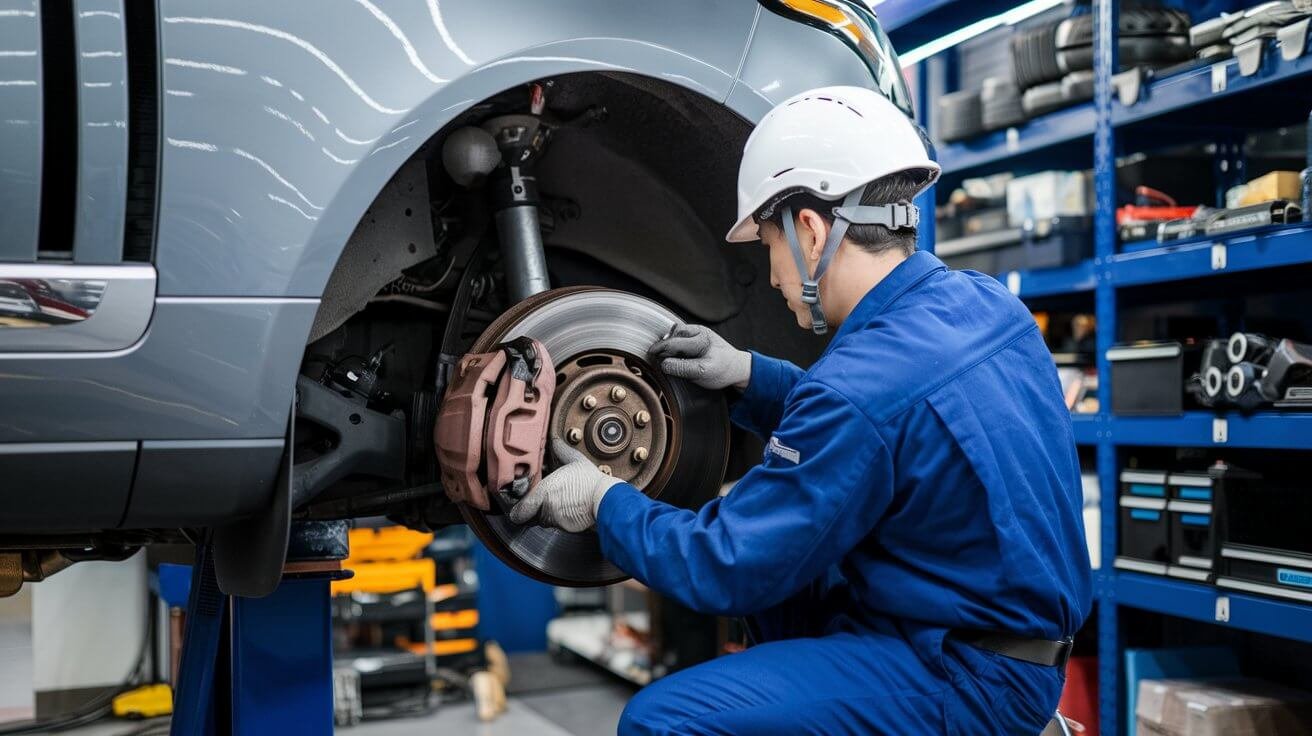
Dubai operating conditions
Heat, short journeys and long parking periods deserve context
Dubai use changes the conditions in which an L551 has to work, but climate alone is not a diagnosis. The useful question is whether the symptom follows heat soak, repeated short trips, long periods parked, dense traffic, charging, dust exposure or another repeatable operating condition.
Heat soak and traffic load
Record whether the concern appears after extended idling, a fully warm restart or heavy air-conditioning use. Cooling performance, fan response, stable voltage and clean airflow paths should be checked against the actual symptom rather than blamed on ambient temperature alone.
Give the 12V system enough context
Frequent short journeys can change charging and stop-start behaviour. Slow starting, intermittent warnings or repeated battery events should be investigated with battery capacity, charging response and sleep behaviour instead of assuming the battery itself is the only cause.
Separate storage from a persistent fault
After several days parked, note start quality, warning order and which functions recover after driving. A one-off low-voltage event and a repeatable parasitic drain require different evidence, even when the dashboard messages look similar.
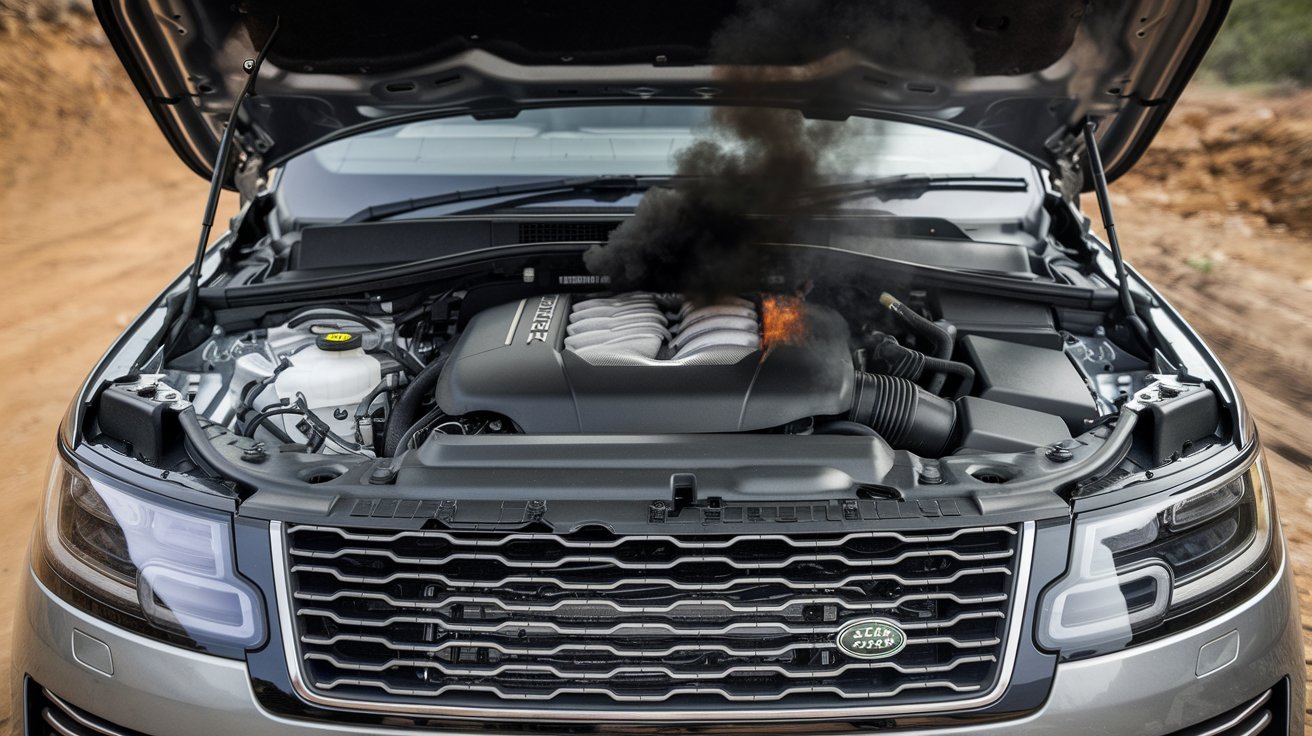
Bring the usage pattern with the vehicle. Daily journey length, periods of storage, stop-start traffic, charging routine where relevant, recent desert or construction-area driving and whether the symptom appears only after the vehicle is fully hot can make an intermittent complaint reproducible without turning Dubai climate into an unsupported diagnosis.
Questions L551 owners actually ask
Range Rover Evoque L551 repair FAQs
Why did several warnings appear at the same time?
Systems share power, communication and sensor information. One interruption can influence several modules, but separate faults are also possible. Preserve the order, test electrical stability and compare module evidence with the physical symptom.
Can a weak 12-volt battery affect a newer Evoque?
Yes, low-voltage instability can contribute to start-up and communication concerns. The battery, terminals, charging response and sleep behaviour should be tested. Persistent system faults must still be diagnosed rather than dismissed as battery related.
Does a software update fix every electronic warning?
No. An update may be relevant only when the exact vehicle, symptom and technical evidence support it. Wiring, power, sensors, modules, calibration and physical faults still require testing.
What should I do if my plug-in hybrid will not charge?
Stop if there is damage, smoke, unusual heat or odour. Otherwise record the charger, cable, vehicle message, state of charge, temperature and whether another supply was tested safely. High-voltage diagnosis should be handled by appropriately qualified personnel.
Why did a camera warning appear after body or windscreen work?
Mounting, alignment, wiring, configuration or calibration may have changed. Inspect the physical installation and confirm the required calibration route for the fitted system.
What should I send before booking?
Share model year, engine or electrified variant, exact warning photos, symptom timing, recent battery or software work, accident or glass repairs, and whether the vehicle remains safe to drive.
Do all L551 Evoques use the same infotainment and electrical architecture?
No. Launch-era vehicles, 2021-onward Pivi Pro vehicles and the 2024 cabin update do not share every hardware, software or display assumption. Confirm the VIN and model year before a screen, camera, module or software route is selected.
Does a mild-hybrid Evoque have both 12V and 48V systems?
Yes. MHEV variants add a 48V battery and belt-integrated starter generator alongside the conventional low-voltage vehicle system. A stop-start, charging or warning concern needs the affected voltage layer identified before parts are approved.
Book a configuration-aware L551 assessment in Dubai
Send the warning sequence, model year, powertrain details and recent repair or software history. The first objective is to identify the correct system and evidence route before parts, programming or calibration are approved.