

Range Rover Retrofits Dubai
Want CarPlay, a clearer camera view, deployable side steps or another convenience upgrade? The first question is not which kit matches the model name. It is what hardware, software and factory options are already in your Range Rover. We identify the exact vehicle, check the existing screen, controls and related systems, then plan the upgrade so original functions, battery behaviour and future diagnosis remain intact.
Confirm compatibility before ordering retrofit parts
Two Range Rovers that look similar can use different infotainment hardware, control modules, wiring and software. We identify the exact vehicle and existing equipment first so the proposed retrofit is matched to what is actually installed.
VIN and model year
The VIN and model year help identify the correct generation, network layout and factory equipment before parts are chosen.
Current specification
Screen type, cameras, audio, parking systems and factory options affect what can be integrated cleanly.
The feature you actually want
CarPlay, parking visibility, easier access and convenience upgrades are different jobs and should not be bundled into one generic solution.
Reversibility and documentation
We consider how the retrofit affects original trim, wiring, coding and future diagnosis before installation begins.
Factory equipment can vary by model year, market and specification. Confirm the actual screen, controls, cameras, audio equipment and related vehicle options before choosing a retrofit route.
Some CarPlay requests do not need another interface
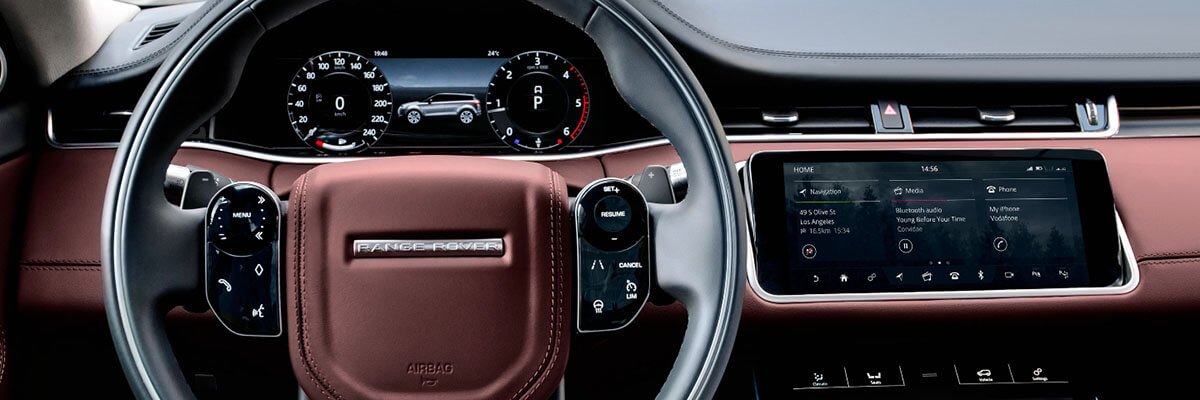
Before adding aftermarket hardware, identify the factory infotainment system and its current software level. Some compatible Touch Pro and Touch Pro Duo vehicles were designed to receive Smartphone Pack functionality through factory software updates, while later Pivi Pro vehicles may already include smartphone integration from the factory.
Check the existing system before adding hardware
If the vehicle has compatible factory infotainment, confirm whether the missing smartphone feature is a software, configuration or existing-system issue before installing an additional interface.
Do not retrofit a feature the vehicle may already support
Newer Range Rover platforms can include factory smartphone integration and over-the-air software capability. Confirm what is already present and working before planning replacement hardware.
Separate missing functionality from a failing infotainment system
A black screen, repeated reboot, audio loss or camera-display problem should be diagnosed first. Adding an interface to an unstable original system makes the final result harder to verify.
Infotainment retrofits need more than a working menu
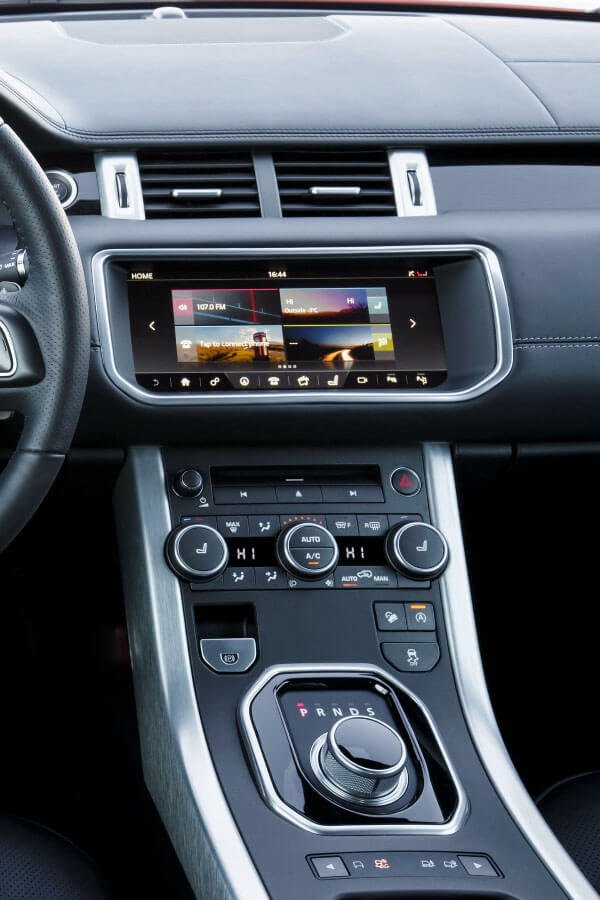
A successful infotainment upgrade should work with the controls and functions already in the vehicle. We check the display, audio path, microphone, cameras and steering controls together rather than judging the installation only by whether the new screen appears. If smartphone integration is the only change you want, an Apple CarPlay installation can be scoped separately from broader retrofit work.
CarPlay integration
Screen type, control method, audio routing and phone reconnection all need to work together.
Microphone and calls
Call quality, voice control and microphone routing are checked so smartphone integration works beyond music playback.
Camera display
Reverse and surround-camera behaviour, switching logic and guidelines need to remain compatible with the existing parking system.
Software behaviour
Aftermarket interfaces can react differently after phone or vehicle updates, so the installed product and update route should be documented.
Mechanical accessories still need to integrate with the vehicle
Side steps, powered accessories and exterior cameras affect mounting, clearance, wiring and everyday operation. The installation should preserve the functions already in the vehicle and avoid creating new service or diagnostic problems.
Fixed side steps
Check mounting points, body-line fit and the effect on ground clearance before deciding whether fixed steps suit the way the vehicle is used.
Powered side steps
Motors, control modules, wiring and door-state logic add electrical and diagnostic requirements beyond the physical mounting.
Exterior cameras
Camera position, field of view, weather sealing and wiring routes matter as much as the image appearing on the display.
Convenience accessories
Added lighting, power or control features need suitable switching, fused power and a clear plan for future service work.
Side steps, cameras and powered accessories need an integration plan
Factory accessory procedures show why a clean physical fit is only part of the job. Vehicle variant, control modules, software configuration, existing accessories and battery behaviour can all change what is required for a powered retrofit.
Wheelbase, seating layout, PHEV or MHEV configuration and other fitted equipment can change the required parts, mounting positions and wiring route. A kit should be matched to the exact vehicle before trim is removed.
Deployable side steps can use a dedicated running-board control module and vehicle configuration. On supported factory-style systems, installation may include module programming and confirmation that the control appears and operates correctly after the vehicle is restarted.
A towbar, underbody equipment or other factory options can change module locations, harness routing and installation order. These dependencies should be identified before parts are ordered rather than discovered halfway through the job.
Always-on or parked camera functions can add electrical demand even when the vehicle is not being driven. Power source, shutdown behaviour and battery protection should therefore be part of the retrofit plan, not an afterthought.
Factory deployable steps can respond to doors, locking and selected driving modes, and some applications restrict deployment in off-road or low-range conditions. The final test should cover those operating states, not only whether the steps move in the workshop.
Choose the retrofit route from the equipment already fitted
The same upgrade request can require a different installation on another Range Rover. What matters is the equipment already fitted, the feature you want to add, and which original functions must remain unchanged after the work.
Use the existing vehicle specification first
If related factory hardware or controls are already present, we first confirm what the vehicle has and whether the missing feature is a compatibility, configuration or hardware issue. That can prevent buying parts the vehicle does not actually need.
Keep the original screen and controls where appropriate
Some retrofits add an interface while retaining the factory display and controls. Audio routing, microphone behaviour, camera switching and normal shutdown still need to work correctly with the added system.
Plan mounting, wiring and future access together
A replacement display, additional camera or powered side step changes more than the visible feature. Physical fit, protected wiring, mounting points and access for later service all become part of the installation plan.
Repair an existing problem before adding another system
If the screen already reboots, audio drops out or the camera image is missing, the existing infotainment fault should be diagnosed first. That keeps the original problem separate from the retrofit and makes the final result easier to verify.
Good integration protects the functions already in the vehicle
Before installation, record the operation of the screen, audio, microphones, cameras, parking sensors, steering-wheel controls, doors and any system that will share power or data with the retrofit. Existing faults should be documented so they are not confused with the new work. The installation plan should identify fused power, earth points, module locations, cable protection and how the vehicle can be returned to its earlier configuration where reversibility is part of the agreement.
Mechanical accessories also need an electronic view. Powered steps may respond to door states and vehicle locking. Camera additions may rely on reverse selection or infotainment switching. A neatly fitted part can still be poorly integrated if it creates battery drain, warning messages, delayed shutdown or interference with original controls.
Commissioning is more than checking that it turns on
- Scan and record relevant vehicle faults before final testing.
- Operate the new feature through every agreed input and control route.
- Check original audio, camera, parking and steering-wheel functions.
- Inspect trim alignment, cable protection, seals and mounting security.
- Lock the vehicle and confirm appropriate shutdown behaviour.
- Explain normal operation, limitations and any manual override to the owner.
- Provide the exact installed product details and retain information needed for future diagnosis.
A camera should be assessed in daylight and low light where practical. A CarPlay interface should be checked for calls, audio and reconnection, not only the home screen. Side steps should be checked through relevant door states and for safe clearance. These are topic-specific handover checks that turn a parts installation into an integrated retrofit.
Document the retrofit for future service work
Future technicians need to know what was added, where modules are located and how wiring was integrated. Keep the product model, installation date, configuration notes and any user instructions with the vehicle records. If the system can receive firmware updates, record the current version and the approved update route.
Documentation is especially important when a fault appears months later. Without it, a workshop may spend time tracing non-original wiring or may disconnect a feature without understanding its purpose. Clear records make later diagnosis faster and help distinguish an original vehicle fault from a retrofit issue. Record any coding or configuration changes, the tested functions and the agreed limitations so a later software update does not erase important context.
Before booking, send the VIN, model year, photographs of the current screen or mounting area and the exact outcome you want. Avoid buying a kit based only on a product title. Compatibility should be confirmed before parts are ordered and before any deposit or installation scope is approved.
Range Rover retrofit questions
Can Apple CarPlay be added to every Range Rover?
Not every model year and infotainment system uses the same hardware or software. Compatibility should be checked from the exact vehicle, current screen and controls before an interface or replacement component is ordered.
Will a retrofit keep the original steering controls and cameras working?
That depends on the vehicle and the retrofit being considered. Retaining original controls, audio, microphones, parking functions and camera behaviour should be part of the agreed installation scope and final testing rather than assumed in advance.
Should I retrofit a new interface if the factory screen already has faults?
No retrofit should be used to hide an unresolved problem. Rebooting, audio loss, black screens, camera faults or other existing issues should be identified first so the original fault can be separated from the new installation.
Can a reverse or surround camera be added to an older Range Rover?
Possibility depends on the display, existing parking equipment, available inputs, wiring route and the exact camera solution. The field of view, switching behaviour and weather sealing also need to be considered before installation.
Are powered side steps a simple bolt-on upgrade?
They involve more than physical mounting. The proposed system may also need power, control logic, protected wiring and suitable clearance. Compatibility should be checked against the exact body and equipment already fitted.
Can some Range Rovers get CarPlay without an aftermarket interface?
Yes, on some compatible factory infotainment systems the first step may be checking the existing software and Smartphone Pack capability rather than adding another interface. The exact vehicle, infotainment generation and current software level should be confirmed before choosing the retrofit route.
Do deployable side steps need coding or programming?
Some factory-style deployable side step systems use a dedicated control module and vehicle configuration in addition to the mechanical installation. Requirements vary by model, year and specification, so the correct parts and programming route should be confirmed for the exact vehicle.
What should I send before asking for a retrofit quote?
Send the model, year and VIN when available, plus clear photographs of the existing screen, camera area or mounting location. Describe the exact feature you want and mention any existing electrical, infotainment or accessory faults so they can be separated from the retrofit request.
Tell us the result you want before parts are ordered
Send the VIN, model year, photographs of the current equipment and a short description of the feature you want to add. That gives us the information needed to check the existing setup before deciding whether the job needs an interface, new hardware, mechanical installation or further diagnosis first.
Mention previous retrofit work, non-original wiring, screen replacements or known electrical faults. Those details can change access, compatibility and the way the new installation should be tested.
Plan the retrofit around your exact Range Rover
Tell us what you want to add and what is already fitted. We can check compatibility and define the installation scope before parts are ordered.