

Second-generation Range Rover Sport · 2014 to 2022 · Dubai
Range Rover Sport L494 Repair Dubai
Suspension warnings, coolant loss, harsh shifting, reduced performance, battery-related warning clusters, screen or camera faults and hybrid charging concerns can all appear on an L494, but the same symptom does not point to the same repair on every model year. We identify the exact engine, fitted chassis and electrical systems, reproduce the complaint and test the affected circuit or component before parts, programming or calibration are approved.
Read the signal pattern
What happened before the message appeared?
Multiple warnings immediately after cranking can justify battery, charging and network checks before individual modules are condemned. Persistent messages still need system-specific testing.
An uneven stance or one corner changing height while parked creates a different test path from a slow rise with the engine running. Time, temperature and corner position matter.
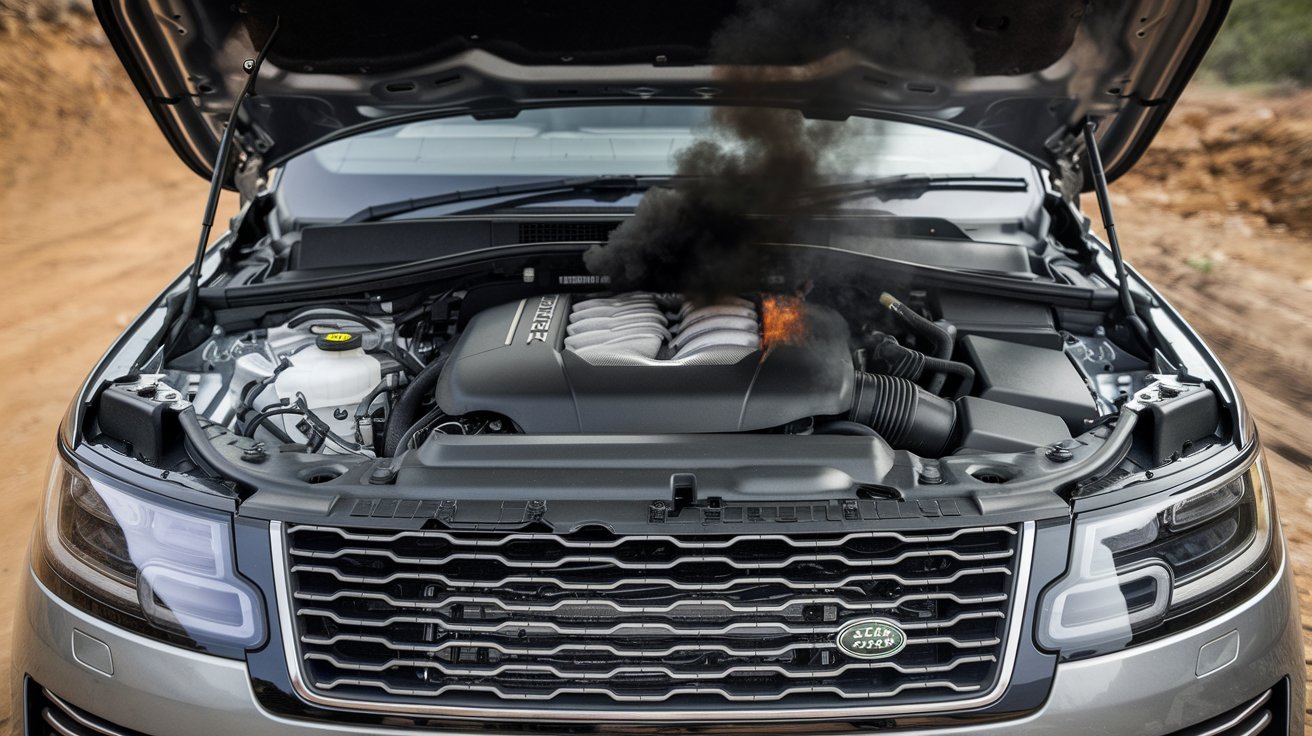
Reduced performance, hesitation, smoke, boost concerns or temperature movement during acceleration require engine-specific evidence. A stored airflow or pressure code does not automatically identify the failed part.
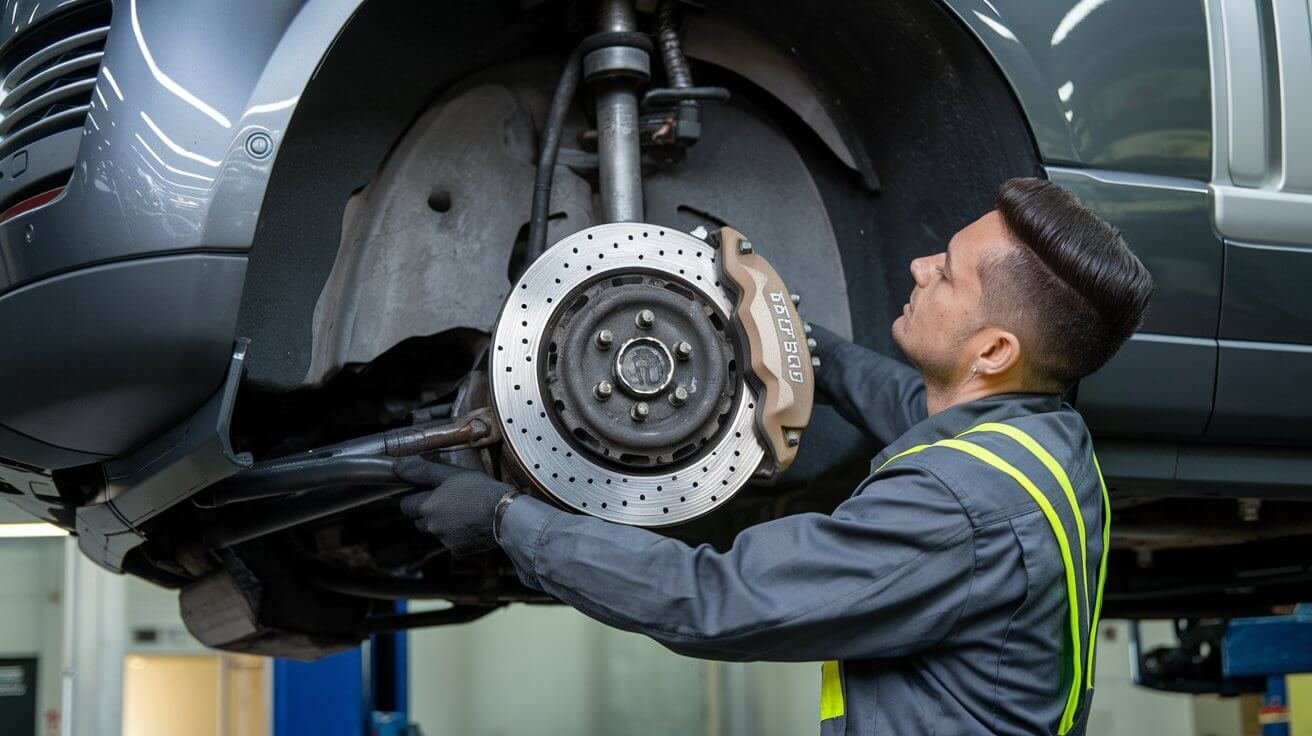
Steering shake, pedal pulsation, pulling or noise should be separated by road speed, pedal pressure and wheel condition. Brakes, tyres, bearings, bushes and alignment evidence can overlap.
New tyres, battery replacement, suspension work, body repair or module disconnection can change calibration, alignment, connector and configuration questions. The timing is diagnostic evidence.
Generation context
Why L494 systems cannot be assessed in isolation
The second-generation Sport moved to an aluminium-intensive architecture and offered a broad range of engines, chassis technologies and driver-assistance features across its production life. Specification varies. Diagnosis must follow the actual vehicle rather than assuming every L494 carries the same equipment.
Power and temperature
Engine control, boost, fuelling, emissions hardware and cooling behaviour must be interpreted together. Reduced performance can be protective, while an overheating warning requires immediate caution and should never be dismissed after a restart.
Body and chassis
Ride height, adaptive damping where fitted, steering input, braking, wheel speed and tyre condition all influence stability. A chassis warning may require several data streams before the primary cause is clear.
Voltage and communication
Battery state, charging performance, grounds, connectors and network communication can affect several modules. Repeated communication faults need an electrical path, not repeated clearing.
Cabin and infotainment
Screen, camera, audio, parking-aid and control concerns should be matched to vehicle configuration and software state. A frozen interface and a lost camera feed are not automatically the same failure.
Air and ride control
Leaks, reservoir behaviour, compressor output, valves, sensors and control commands form one height system. If the vehicle repeatedly settles low, rises slowly or cannot hold a requested height, a focused air-suspension diagnosis can separate leakage, pressure supply, valve control and height-sensor evidence before pneumatic parts are approved.
Water and repair history
Moisture evidence, prior glass or body work, disturbed trim and connector condition can explain intermittent electrical symptoms. The inspection should trace cause and path before replacing electronics.
The L494 changed inside the same generation
Model year can change the engine, infotainment and electrical assumptions
An L494 should not be diagnosed from the body shape alone. Land Rover changed engines, infotainment and electrification during production, so a warning on an early vehicle can require a different first test from the same warning on a late L494.
Launch-era L494
The second-generation Sport introduced an aluminium unibody structure, four-corner air suspension, an 8-speed automatic and a broad choice of petrol and diesel engines. Chassis specification could also include Dynamic Response, Adaptive Dynamics and different transfer-case configurations.
Infotainment and engine choices changed
InControl Touch Pro brought a larger 10-inch central display and a different infotainment architecture, while the engine range expanded in some markets. Screen, connectivity and module complaints should therefore be tied to the fitted system rather than described simply as an L494 screen fault.
P400e and Touch Pro Duo changed the diagnostic picture
The 2018 update introduced the P400e plug-in hybrid and the twin-screen Touch Pro Duo interface. Charging, EV operation, thermal-management and display complaints on these vehicles require different assumptions from earlier petrol and diesel L494s.
48V mild-hybrid systems joined the range
The P360 and P400 straight-six petrol engines introduced a 48V mild-hybrid layer, followed by D250, D300 and D350 straight-six mild-hybrid diesels. A late L494 can therefore have a normal 12V network plus a separate 48V system even when it is not a plug-in hybrid.
Confirm the exact build before parts or software decisions. VIN, model year, engine, infotainment generation and fitted chassis equipment should be established before one L494 is used as the reference for another.
Avoid the expensive shortcut
A code identifies a circuit or condition, not always the failed component
Parts-first response
- Reads one description as a direct order
- Ignores whether the code is current, pending or historic
- Does not reproduce the driver’s conditions
- Overlooks voltage, wiring, leaks or mechanical influence
- Clears warnings without proving the repair
This route can replace a good component while the initiating fault remains.
Evidence-led response
- Records the warning sequence and owner symptoms
- Confirms vehicle identity, engine and fitted options
- Checks relevant live data and physical condition
- Tests plausible causes in a controlled order
- Repeats the original operating condition after repair
The result is a repair decision tied to the individual L494 rather than a generic fault-code list.
Ownership changes the priority
4 L494 service moments need different questions
Newly acquired
Establish a baseline. Check warning history, fluids, tyres, brakes, ride-height behaviour, visible leaks, scan status and evidence of prior repairs before planning optional upgrades.
Daily commuter
Focus on repeatability and disruption. Record whether symptoms occur after heat soak, at the same speed, during start-up or after long parking. Small patterns shorten diagnosis.
Post-repair return
Compare the current complaint with the original invoice and replaced parts. Confirm compatibility, installation, calibration and whether the initial root cause was proven.
Long-term keeper
Separate immediate faults from staged reliability work. Fluid condition, hoses, mounts, bushes, batteries and cooling margins can be prioritised without inventing universal replacement intervals.
No ownership stage justifies automatic replacement. It changes the questions, evidence and order of work.
Variant-aware planning
Engine, model year and equipment decide the correct route
L494 coverage spans different petrol, diesel and electrified applications in various markets, plus performance and chassis configurations. Procedures, access, fluids, cooling layouts, parts and software expectations can differ. The registration card, VIN and actual equipment should be checked before approval.
For petrol vehicles, the 3.0 Supercharged V6 problems guide and 5.0 V8 Supercharged problems guide provide engine-specific symptom paths. Confirm the fitted engine before using either guide.
Owners often describe the trim badge while the workshop needs the build details. The useful intake includes engine behaviour, warning wording, recent battery events, service history, modifications and the exact conditions that trigger the symptom.
Information that improves the first assessment
- VIN and model year
- Engine and fuel type
- Photograph or video of the warning
- Cold, hot, parked or moving condition
- Recent tyres, battery, body, suspension or engine work
- Whether the concern is constant or intermittent
Late L494 electrical diagnosis
12V, 48V and P400e high voltage are different systems
Battery-related warnings on a late L494 need the powertrain identified before a battery, starter-generator, charging component or control module is blamed. The normal low-voltage network, mild-hybrid equipment and plug-in hybrid traction system do not share one diagnostic boundary.
Module wake-up, communication, starting support and many warning clusters still depend on a healthy 12V supply. Battery capacity, terminals, grounds, charging response and parked current remain the first evidence when several systems report low-voltage events.
P360 and P400 petrol variants and later D250, D300 and D350 diesels add a 48V mild-hybrid system. Stop-start, energy recovery and voltage-related complaints on these vehicles need the 12V and 48V evidence separated rather than treated as one battery system.
The P400e combines a 2.0 litre Ingenium petrol engine with an electric motor and high-voltage traction battery. Charging, EV-mode and hybrid thermal-management faults require high-voltage safety procedures and should not be approached as conventional 12V electrical work.
Do not disturb orange high-voltage components. If a P400e concern remains centred on charging, EV operation or high-voltage warnings after the external supply and 12V foundation are established, a focused Range Rover hybrid diagnosis can follow the exact vehicle configuration and safe isolation requirements.
The workshop evidence sequence
6 checks that can confirm or reject the repair theory
1. Intake and symptom map
Translate vague terms such as shaking, sluggish or suspension fault into a reproducible condition with speed, temperature, load and timing.
2. Vehicle identity
Confirm build details and fitted systems so parts and procedures match the specific L494.
3. Voltage and full-system scan
Assess the electrical foundation, module communication and relationships between current and historic faults.
4. Physical and measured evidence
Inspect leaks, movement, wiring, tyres and fluid condition, then measure the values relevant to the complaint.
5. Controlled confirmation
Use a pressure test, circuit test, ride-height observation, road test or other appropriate method to challenge the leading theory.
6. Post-repair proof
Repeat the triggering condition, recheck for leaks or warnings and confirm that related systems operate normally.

Driving decision: normal journey, caution or recovery
Stop and arrange recovery for overheating, smoke, severe fluid loss, a major brake or steering change, a rapidly collapsing suspension, a strong fuel smell or an escalating mechanical noise.
Drive only with caution for prompt assessment when the vehicle remains stable but shows a persistent warning, reduced comfort, mild vibration, intermittent camera or infotainment concern, or a non-critical feature failure. If behaviour changes, stop.
Continue normal use only after observation when a transient message clears and the vehicle remains entirely normal, but keep the exact wording and arrange a scan if it repeats. Clearing does not prove there is no stored evidence.
What should be documented at handover
A useful handover distinguishes the root cause from secondary codes and unrelated advisories. It identifies the completed work, tests performed and any calibration or road-test result. It also states what remains to monitor.
If parts were replaced, compatibility should be recorded. If the complaint involved ride height, the vehicle should not simply leave because it appears level in the bay. If the concern occurred only hot or at road speed, the verification should reflect that condition where safe and practical. If a warning could not be reproduced, the owner should receive a clear next observation plan.
This evidence matters on an integrated vehicle because one unresolved electrical, cooling or chassis condition can produce symptoms elsewhere. A transparent record also improves future diagnosis and helps prevent the same tests from being repeated without context.
Body repairs influence electronic checks
Aluminium-intensive construction changes the evidence after impact work
The L494 uses an aluminium-intensive body architecture. That makes accurate repair history relevant to more than appearance. Panel alignment, mounting points, sealing, wiring routes, sensor position and corrosion protection can affect wind noise, water entry, lighting, cameras, parking aids and driver-assistance behaviour.
A previous body repair should not be judged only by paint finish. Inspect gaps, fasteners, disturbed trim, overspray, sealant, water paths and the condition of nearby harnesses. If a camera, radar or parking component was removed or its mounting area changed, confirm whether calibration or configuration was required for that specific vehicle.
This does not mean every electronic concern after body work was caused by the repair. It means timing and location are evidence. The diagnosis should test the relationship instead of assuming coincidence or automatically blaming a module.
Useful questions after collision or glass work
- Which panels, glass or mounting areas were disturbed?
- Did the warning begin immediately or after rain, washing or heat?
- Were cameras, sensors, mirrors or lamps disconnected?
- Is there wind noise, damp trim or a feature that works intermittently?
- Was any calibration or post-repair scan documented?
Cooling complaints need a pattern
Heat, coolant loss and reduced performance are three different starting points
An owner may arrive with a temperature warning, a low-level message, a coolant smell, visible residue, fan noise or reduced power. These clues overlap but should not be collapsed into one generic cooling repair.
Level loss without overheating
Check the rate of loss, visible residue, pressure behaviour, caps, hoses, joints, radiators and engine-specific areas. Topping up repeatedly hides the trend and can allow a small fault to develop.
Temperature movement
Record whether it occurs in traffic, after motorway driving, under load or after shutdown. Fan command, coolant circulation, heat exchanger condition and sensor plausibility may need comparison.
Reduced performance with heat
The vehicle may limit output to protect systems. Scan evidence, actual temperatures and the physical cooling condition should be assessed before a performance component is blamed.
Do not continue driving through an overheating warning. Stop safely and arrange recovery. A warning that disappears after cooling down does not prove the cause has resolved.
After repair, verification can include pressure stability, operating-temperature behaviour, fan response, road conditions relevant to the complaint and a recheck for residue or level change. The exact test depends on the confirmed cause and vehicle configuration.
A pre-purchase baseline is different from fault diagnosis
Buying an L494 requires a whole-vehicle evidence view
A fault visit starts with a known complaint. A pre-purchase assessment starts with uncertainty. The second task should not be reduced to scanning for dashboard codes. It should consider body-repair evidence, tyres, wheels, brakes, suspension height, underbody condition, leaks, fluid observations, cabin electronics, cameras, climate control and a road test where available and appropriate.
Diagnostic codes still matter. Their status and relationships can reveal current, intermittent or historic events. They should be read alongside recent battery replacement, cleared warnings and seller-provided invoices. A clean dashboard at one moment is not a guarantee that the vehicle has no hidden concern.
Service history should be checked for consistency rather than treated as a decorative stamp collection. Look for dates, mileage progression, repeat repairs, fluid work, tyre changes and major component invoices. The objective is not to predict every future expense. It is to identify visible condition, current evidence and areas needing deeper investigation before purchase.
The final report should distinguish confirmed faults, safety concerns, wear, maintenance observations and optional improvements. It should also state inspection limits. No non-invasive check can guarantee that every internal or intermittent issue has been found.
Use the first week after repair as verification evidence
Observe the vehicle in the conditions that previously triggered the concern, including cold start, parking duration, traffic heat or road speed where relevant and safe. Photograph any returning message before restarting. Note whether ride, steering, braking, temperature and connected features remain normal.
Report a repeat promptly with the same details. A precise follow-up is more useful than describing the vehicle as simply still faulty.
Owner questions
Range Rover Sport L494 repair FAQs
Why can several warnings appear together?
Modules share voltage, data and sensor inputs. One initiating condition can trigger secondary messages, but testing is required to identify which fault came first.
Does every rough shift mean the transmission is failing?
No. Engine performance, mounts, driveline movement, software, fluid condition and transmission control can produce different sensations. The road-test pattern matters.
Can an intermittent warning still be diagnosed?
Often, yes. Stored status, freeze-frame details, owner photos, event timing and repeated operating conditions can preserve useful evidence even when the message is absent in the workshop.
Should all recommended work be completed together?
Not automatically. Separate safety needs, confirmed faults, supporting wear and optional preventive work. The estimate should make those categories clear.
Why is the VIN required before parts approval?
Production changes, engine choices and fitted options can alter components and procedures. The VIN helps reduce assumptions based only on appearance or registration year.
Did the L494 change significantly during production?
Yes. Infotainment, engine and electrical architecture changed during the generation. Later vehicles can include Touch Pro Duo, P400e plug-in hybrid equipment or 48V mild-hybrid petrol and diesel powertrains that are not present on early L494s.
Does every L494 use only a 12V electrical system?
No. Every vehicle still relies on a low-voltage foundation, but some later petrol and diesel variants add a 48V mild-hybrid system, while the P400e adds a separate high-voltage plug-in hybrid traction system.
Is the P400e the same as a mild-hybrid L494?
No. The P400e is a plug-in hybrid with a traction battery and electric motor that can drive the vehicle electrically. Mild-hybrid variants use a 48V system to recover and redeploy energy but are not charged from an external plug.
Arrange an L494 diagnostic assessment in Dubai
Send the warning wording, model year, engine, symptom conditions and recent repair history. The workshop can then start with the right evidence path and avoid a generic parts-first response.