

L405 · 2013 to 2021 · Dubai
Range Rover L405 Repair and Common Problems Dubai
Suspension warnings, coolant loss, battery-related messages, harsh shifting, screen or camera faults and steering or brake concerns can all appear on an L405, but the same symptom does not point to the same repair on every year or powertrain. We identify the exact vehicle, reproduce the complaint and measure the system involved before parts or major repair work are approved.
Choose the route from the first reliable clue
Warning-led
Preserve the exact message and scan context. Test the named function and connected systems before parts.
Symptom-led
Record when noise, vibration, leakage or changed behaviour appears and reproduce it safely.
History-led
Use previous repairs, battery events and incomplete maintenance evidence to set the first checks.
L405 ownership in Dubai
The useful answer before parts are ordered
The L405 combines an aluminium body structure, electronically managed chassis systems, multiple powertrain choices and a networked cabin. That breadth means the same warning or symptom can have several possible sources. A useful repair plan starts with the exact vehicle and the conditions in which the problem appears.
A dashboard message is evidence that a system has detected an abnormal condition. It is not a complete diagnosis. The first booking should capture when the concern began, whether it is constant or intermittent, what the vehicle was doing, and whether battery, tyre, glass, body, software or mechanical work happened shortly before it. Those details give the diagnostic process a direction without turning an early clue into a parts list.
Bring the exact vehicle identity
Share the VIN or registration, model year, engine if known, mileage, dashboard photographs, recent invoices and a short video when the symptom can be recorded safely. The final repair scope must be confirmed from the installed specification and test results.
What defines this generation
01
Fourth-generation Range Rover sold across the requested 2013 to 2021 period
02
Aluminium-intensive body construction requires the correct body-repair route
03
Powertrain, infotainment and driver-assistance equipment vary by year and specification
04
Air suspension and chassis messages need system-level diagnosis rather than automatic compressor replacement
Early and late L405 vehicles can differ substantially in engine family, infotainment platform, driver assistance equipment and electrical architecture. Registration year alone is not enough. VIN, build information and the installed components must guide parts selection, scan strategy and calibration planning.
One generation, several technical eras
The L405 changed significantly between 2013 and 2021
An L405 should not be diagnosed from the model code alone. Land Rover changed powertrains, infotainment and electrification during the generation, so the same warning or replacement part can lead to a different test path on an early vehicle and a late one.
Launch-era L405
The fourth-generation Range Rover introduced the aluminium monocoque body, four-corner air suspension and eight-speed automatic architecture. Engine choice varied by market and model year, so VIN and installed components remain the starting point for mechanical and body decisions.
Touch Pro Duo and P400e changed the diagnostic picture
The 2018 update brought the twin-screen Touch Pro Duo cabin and introduced the P400e plug-in hybrid to the Range Rover line. Screen, communication, charging and powertrain complaints on these vehicles therefore need different assumptions from earlier L405s.
Late L405 adds mild-hybrid six-cylinder systems
Late vehicles expanded into 48V mild-hybrid petrol and diesel powertrains alongside P400e and V8 options. Battery, stop-start, charging and network evidence should be tied to the exact powertrain before one voltage system or module is blamed.
Body repairs also need the correct L405 route. If accident damage, panel alignment or previous repair involves the aluminium structure, an aluminium body repair assessment can establish the structural repair boundary before cosmetic refinishing is approved.
Reported concerns and the correct first direction
Vehicle lowers after parking
Pressure loss may be at an air spring, line, valve block or connected component. The first leaking point should be confirmed before a compressor is blamed.
Slow height change or suspension warning
Check stored faults, height data, pressure behaviour, compressor command and the demand created by the rest of the pneumatic system.
Coolant smell or falling level
Inspect for an external leak, residue and pressure-related loss. Continued driving is not appropriate if temperature rises or coolant loss is significant.
Battery discharge or many warnings
Test battery capacity, charging recovery and parked current. Low voltage can create multiple messages without proving that every named module has failed.
Harsh shift or delayed engagement
Separate gearbox control, fluid condition, adaptation, mount, driveline and internal concerns before approving a transmission assembly.
Black screen or camera fault
Confirm power, network communication, software state and the exact infotainment platform before replacing a display or module.
Diagnosis should connect the symptom to evidence
Testing should move from the least invasive, most informative checks toward component-level work. That usually means confirming the complaint, stabilising voltage, performing a visual inspection, reading the relevant control systems, reviewing live data, and then carrying out pressure, circuit, mechanical or leak tests that match the fault.
Clearing codes before recording them can remove useful context. Replacing a component because its name appears in a fault description can also miss wiring, power, communication, contamination or another system that caused the event.
If the vehicle lowers after parking, rises slowly or stores height and pressure faults, an air-suspension diagnosis can then separate leakage, pressure supply, valve control and height-sensor evidence before pneumatic parts are approved.
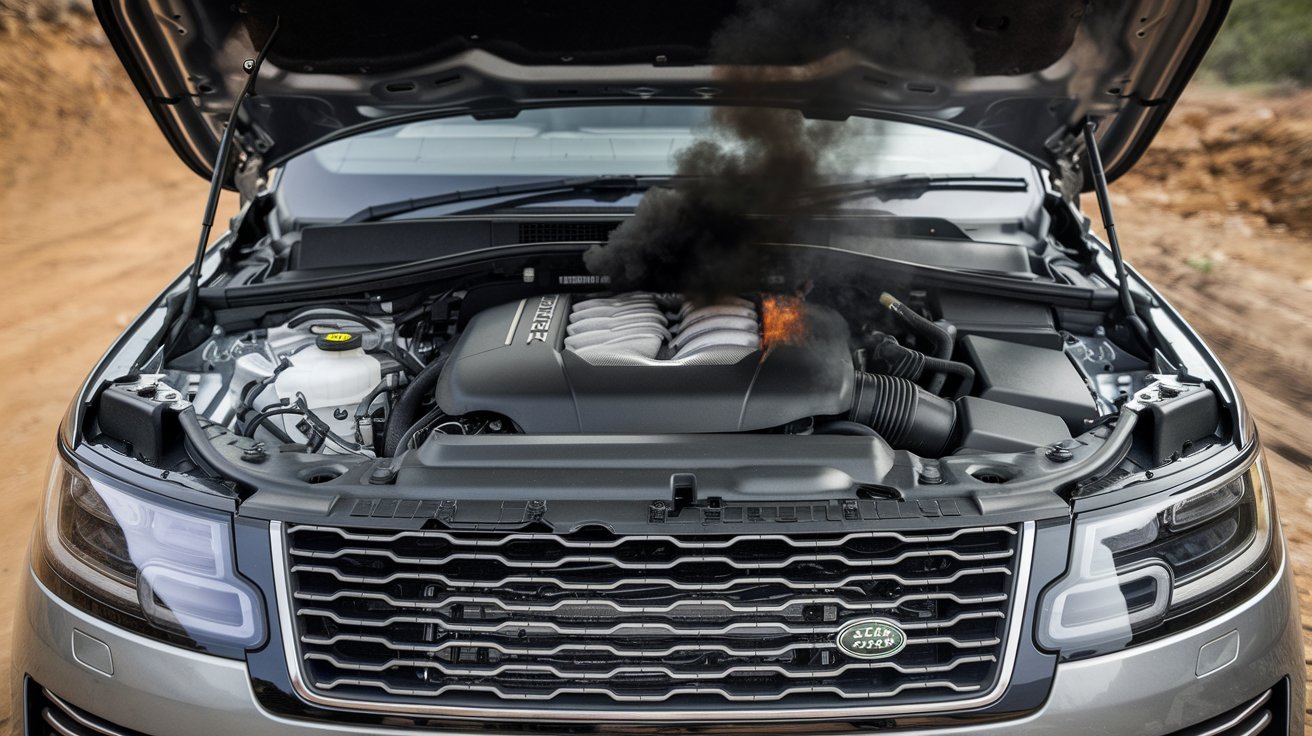
From booking to a repair decision
Identify the exact build
Confirm the generation, model year, VIN, engine, drivetrain, body configuration and important options. A model badge cannot identify every installed component or required procedure.
Reproduce and record the concern
Describe the driving condition, temperature, speed, load, warning text, sound or odour. Intermittent behaviour may require a controlled road test or monitoring rather than immediate disassembly.
Check connected fundamentals
Battery voltage, charging response, fluid level, tyre condition, previous repairs, visible damage and communication health can redirect the diagnosis before expensive parts are considered.
Test the suspected system
Use the measurement appropriate to the complaint. This may involve pressure, temperature, current, voltage drop, network data, smoke testing, mechanical play or component command and response.
Define the repair boundary
Explain what is confirmed, what remains uncertain, which connected parts need attention and whether calibration, programming, alignment or further strip-down is part of the proposed scope.
Verify after repair
Repeat the relevant test, check warning status and confirm the symptom under suitable conditions. The invoice should identify the completed work and any remaining recommendation.

Chassis, steering, brakes and tyres
A noise, pull, vibration or height concern needs a route-based diagnosis. Note whether it changes with road speed, steering angle, braking, ride height, surface or temperature. Inspect tyres and wheels first because impact damage, pressure and wear can alter several symptoms.
Brake work should include the relevant axle condition and the cause of uneven wear. Steering play should be traced through the complete path rather than assigned to the rack by default. Suspension work should consider links, bushes, dampers, air components where fitted, wheel-end condition and stored chassis information.
After component work, alignment or calibration may be relevant depending on what was disturbed and the equipment installed. That requirement must be confirmed for the exact repair.
Engine, cooling and drivetrain decisions
If the vehicle is fitted with the 4.4 diesel, the Range Rover 4.4 SDV8 problems guide explains how smoke, oil loss, cooling changes, starting concerns and engine noise should be separated before repair approval.
If a clunk, whine or shudder changes with road speed, load or steering angle, the Range Rover differential repair guide explains how wheel, shaft, mount and differential causes are separated before drivetrain parts are approved.
Observe
Record leaks, smoke, odours, noise, temperature behaviour, power loss, shift quality and the exact warning. Check levels only when safe and use the correct procedure.
Measure
Use pressure, temperature, scan data, fluid evidence, circuit tests and mechanical inspection to separate a source from its consequences. One symptom can cross several systems.
Approve
Choose targeted repair, component replacement or further strip-down only after the evidence and limits are explained. A quotation should distinguish confirmed work from optional or conditional items.
Overheating, a red oil-pressure warning, heavy smoke, severe fluid loss, loss of braking, changed steering control or a vehicle resting unsafely low can justify stopping rather than driving to the workshop. Recovery is safer when continued use could multiply the damage or reduce control.
Electrical, software and communication faults
Modern vehicle networks can spread the effect of one power, ground or communication problem across several displays. Start with battery state, charging performance and a complete scan record. Then group faults by time and network rather than treating every entry as a separate failed part.
Software updates, programming and module replacement are different actions. An update may address an applicable software condition. Programming configures a component or vehicle function. Replacement should follow evidence that the component, its supply and its communication path have been tested. If coding or calibration is required, it belongs in the repair plan from the beginning.
- Keep the original scan record before codes are cleared
- Check for water, impact or previous wiring work
- Confirm power and ground under load
- Compare command with actual response
- Review recent battery or jump-start events
- Verify operation after software or hardware work
Late L405 electrical diagnosis
Identify the voltage system before calling it a battery fault
The final L405 years include conventional powertrains, P400e plug-in hybrids and 48V mild-hybrid variants. A warning after storage, stop-start operation or charging therefore needs the exact powertrain identified before the battery, starter-generator, charge system or control modules are judged.
Every L405 still depends on stable low-voltage supply for module wake-up, communication and many control functions. Battery capacity, terminals, grounds, charging response and parked current remain important when several systems report low-voltage evidence.
The P400e combines a 2.0 litre Ingenium petrol engine with an electric motor and traction battery. A charging or EV-related warning should be separated from the normal 12V system and handled with the correct high-voltage safety procedures. Do not disturb orange high-voltage components.
Some late P360, P400, D300 and D350 variants add a 48V mild-hybrid layer for energy recovery and engine assistance. Stop-start, charging and voltage warnings on these vehicles need the 12V and 48V evidence separated rather than treated as one battery system.
Dubai conditions change what should be inspected
High ambient temperature, dust, traffic, extended idling, short journeys, long parking periods and off-road use can affect what the owner reports and what deserves closer inspection. They do not create one universal local replacement interval.
Cooling performance should be judged under the conditions that trigger the complaint. Dust and debris can affect heat exchangers, filters, sensors and moving components. Tyres, battery reserve and cabin cooling also need condition-based attention because demand can be high even when annual distance is modest.
Tell the workshop about desert use, towing, water exposure, storage, repeated top-ups or a recent overheating event. That history helps target the inspection without making unsupported assumptions.
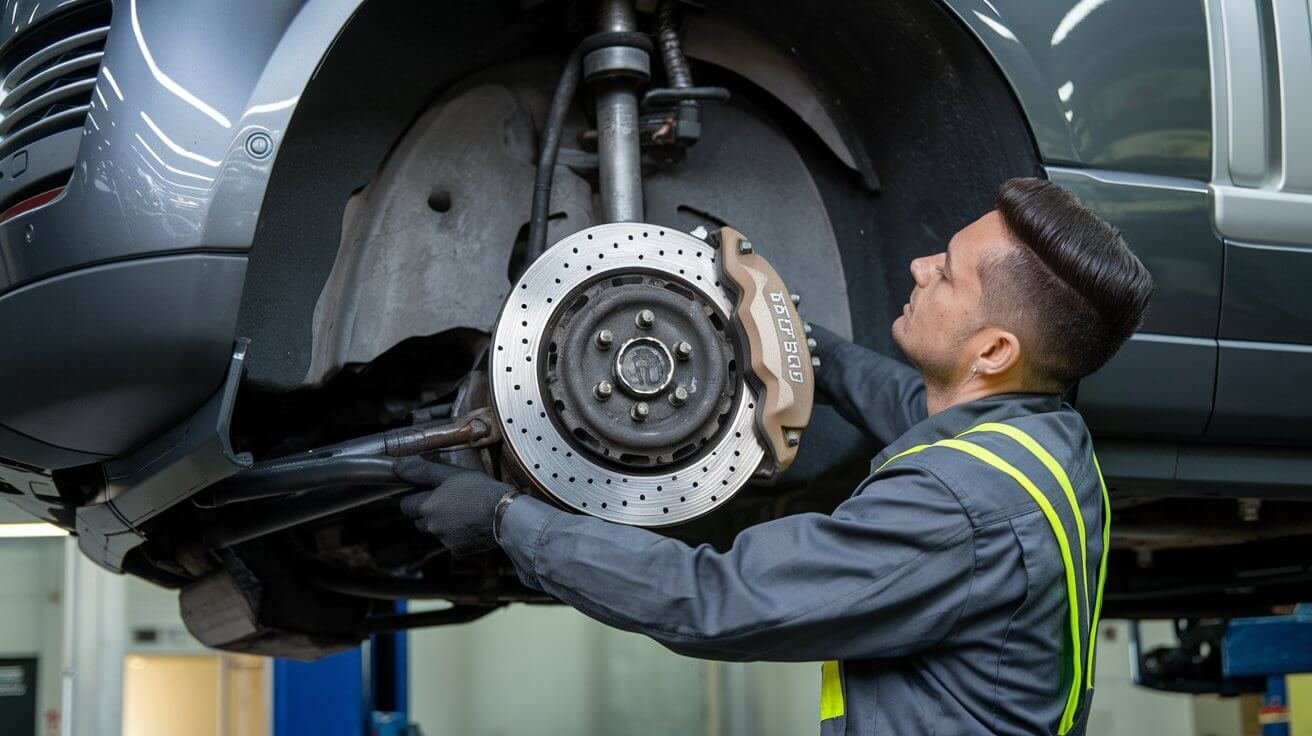
Maintenance history and pre-purchase evidence
A service reminder does not prove that every maintenance item has been completed. Keep itemised invoices, mileage records and details of fluids, parts and software work. When history is incomplete, build a staged plan based on verified requirements and current condition rather than replacing everything at once.
For a vehicle being considered for purchase, a model-specific inspection should separate visible condition from systems that require scanning, road testing or deeper access. A clean dashboard at one moment does not prove that no fault is stored or intermittent. Likewise, a long recommendation list is not useful unless each item has evidence, urgency and a clear next step.
| Evidence | Why it matters | Useful next step |
|---|---|---|
| VIN and build information | Identifies the installed specification and compatible procedure | Match parts and service information before approval |
| Itemised invoices | Shows what was actually repaired or maintained | Separate confirmed history from assumptions |
| Dashboard and scan record | Captures warnings and stored context | Investigate relevant systems before clearing data |
| Cold start and road behaviour | Reveals conditions not visible in a static inspection | Reproduce safely and compare live information |
Repair, replacement or continued monitoring
A repair is appropriate when the failed area can be restored with a defined method and acceptable connected condition. Replacement may be more suitable when damage, wear, contamination, internal failure or parts support makes a targeted repair unreliable. Monitoring is reasonable only when the condition is understood, safe and paired with a clear trigger for reassessment.
The decision should include access labour, related seals or fasteners, programming, calibration, alignment, fluid requirements and the risk of leaving a connected fault unresolved. It should not be based only on the price of one component. Ask what test confirmed the recommendation and what will be checked after the work.
Do not approve a whole system from one fault code
Ask for the observation, measurement or test that connects the reported symptom to the proposed part. Where strip-down is required, the quotation should explain what can be known before access and what decision follows once the internal condition is visible.
Questions owners commonly ask
What are the common problems on a Range Rover L405?
Owners may report concerns involving suspension, cooling, electrical supply, infotainment, drivetrain, air conditioning, leaks or warning messages. The useful answer depends on the exact year, engine, equipment and symptom. A list cannot diagnose an individual vehicle.
Can the vehicle be diagnosed from a warning message?
The message identifies an affected function or detected condition, but diagnosis also needs stored context, live data, power and ground checks, visual evidence and the test appropriate to that system.
Should every stored code be repaired?
No. Codes can be historic, secondary or created during a low-voltage event. They should be recorded, grouped and tested against the present complaint before parts are approved.
How is an accurate quotation prepared?
The workshop needs the vehicle identity and diagnostic evidence. The quotation should define confirmed work, related items, parts choice, programming or calibration needs, and any conditional work that can only be decided after access.
Does Dubai heat mean maintenance intervals should be invented locally?
No. Heat and use can justify relevant condition checks, but scheduled requirements must still come from verified information for the exact vehicle and its history.
What should I send before booking?
Send the VIN or registration, mileage, model year, warning photographs, recent invoices and a concise description of when the symptom happens. Mention recent battery, tyre, glass, body or mechanical work.
Did the L405 change significantly during production?
Yes. Early vehicles, the 2018 technology update and the final mild-hybrid and P400e years do not share every powertrain, infotainment or electrical assumption. Confirm the VIN, model year and installed equipment before parts, software or charging procedures are selected.
Does every L405 use only a 12V electrical system?
No. The conventional low-voltage system remains important, but P400e vehicles add a high-voltage plug-in hybrid system and some late L405 variants add a 48V mild-hybrid layer. The affected voltage system should be identified before a battery or charging component is approved.
L405 work that can change the next diagnostic step
Recent windscreen replacement can be relevant when a camera or driver-assistance concern begins immediately afterward. Wheel, tyre or suspension work can change the direction of a height, steering or stability complaint. Body repair can matter when wiring, sensors, aluminium panels or alignment points were disturbed. A battery replacement can also expose registration, charging or sleep-state questions that are different from a simple weak-battery diagnosis.
Tell the workshop exactly what changed before the symptom appeared, even when the earlier work seems unrelated. On a networked L405, timing can reveal whether the first check belongs at a disturbed connector, calibration prerequisite, power event or mechanical assembly. It does not prove that the earlier repair caused the concern, but it prevents useful evidence from being ignored.
Parts matching on an L405 needs more than the model name
An L405 part should be matched to the VIN, model year, engine, drivetrain, body configuration and the number on the removed or installed component where practical. A facelift, supersession or option change can alter connectors, software, brackets, cooling layouts, braking equipment or calibration needs. Ordering by appearance alone can produce a component that fits physically but does not communicate, configure or operate correctly.
Used, reconditioned and new parts each need a defined approval route. A used electronic component may carry configuration or security limitations. A reconditioned mechanical part should have a clear scope and supporting terms. A new part may still require coding, programming, calibration or adaptation. The quotation should state what kind of part is proposed and what additional work is included.
Evidence to retain after L405 work
- Part numbers and parts source
- Before and after scan information
- Fluid specification where fluid was replaced
- Alignment or calibration result where relevant
- Software or programming action completed
- Any monitored condition that remains
This record becomes especially valuable when the vehicle changes workshop or owner. It prevents a future technician from treating a completed repair as unknown history and helps separate a recurring symptom from a new concern.
Book a L405 assessment with useful evidence
Send the VIN or registration, mileage, dashboard message, recent repair history and a clear description of the concern. We can then identify the correct booking scope without pretending that a model code alone reveals the failed part.