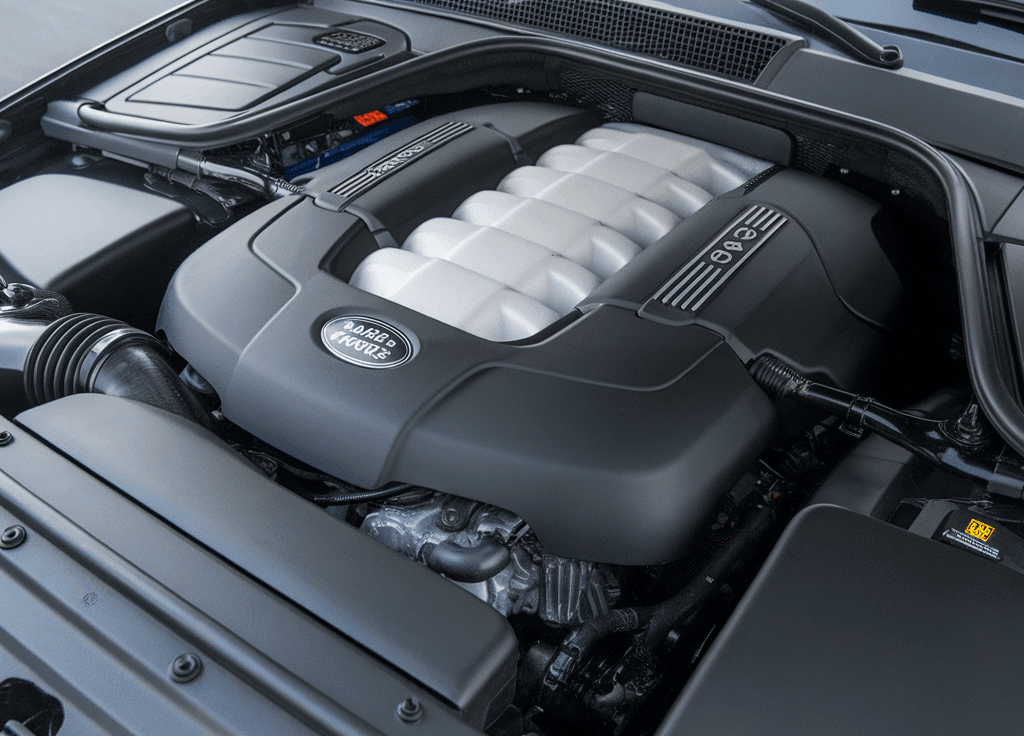
Diagnose lost performance before considering Range Rover engine tuning. A remap or tuning box changes how a healthy engine operates; it does not repair a misfire, boost leak, overheating problem, or slipping transmission. For a Range Rover in Dubai, the decision should depend on its exact engine and software, operating temperatures, fuel requirements, intended use, and the evidence behind the proposed calibration.
If performance has recently deteriorated, restore the vehicle to correct standard operation first. If it already runs correctly, compare staying standard with a documented modification. More power can bring additional mechanical load, costs, and coverage restrictions. Better reliability, lower fuel consumption, and a particular power gain are not guaranteed.
Check faults before changing engine software
Stop safely and arrange recovery if there is severe shaking, a flashing engine warning with rough running, fuel leakage, overheating, or a red oil-pressure warning. Switch off when safely stopped and follow the vehicle handbook. Do not repeat acceleration tests to demonstrate the problem, open a hot cooling system, or restart an engine with suspected fuel leakage.
For less severe loss of response, record whether it happens from cold, after traffic, under load or during gear changes. Note warning messages, recent repairs, fuel changes and existing modifications. Investigate rough running and engine misfires before replacing parts or changing the calibration.
A workshop assessment should establish a baseline:
- Identify the vehicle. Confirm model year, engine, transmission, market specification, ECU software version, and existing hardware or software changes. The badge alone is insufficient.
- Scan before clearing anything. Record relevant engine and transmission faults, freeze-frame conditions, and available live data. A code suggests a test route; it does not prove that a component is faulty.
- Test the suspected system. Depending on symptoms, this may mean checking intake or boost leaks, fuel delivery, ignition on gasoline engines, cooling performance, or transmission behavior. Compression testing belongs where the findings justify a mechanical investigation.
- Confirm the result. Repair the established fault and reassess under suitable controlled conditions. A clean fault-code list alone is not proof that the engine can support additional load.
This approach is consistent with Garrett's turbo diagnosis guidance: poor performance can originate in other vehicle systems, and turbo damage can be a consequence of another problem.
Define the engine and the result you actually want
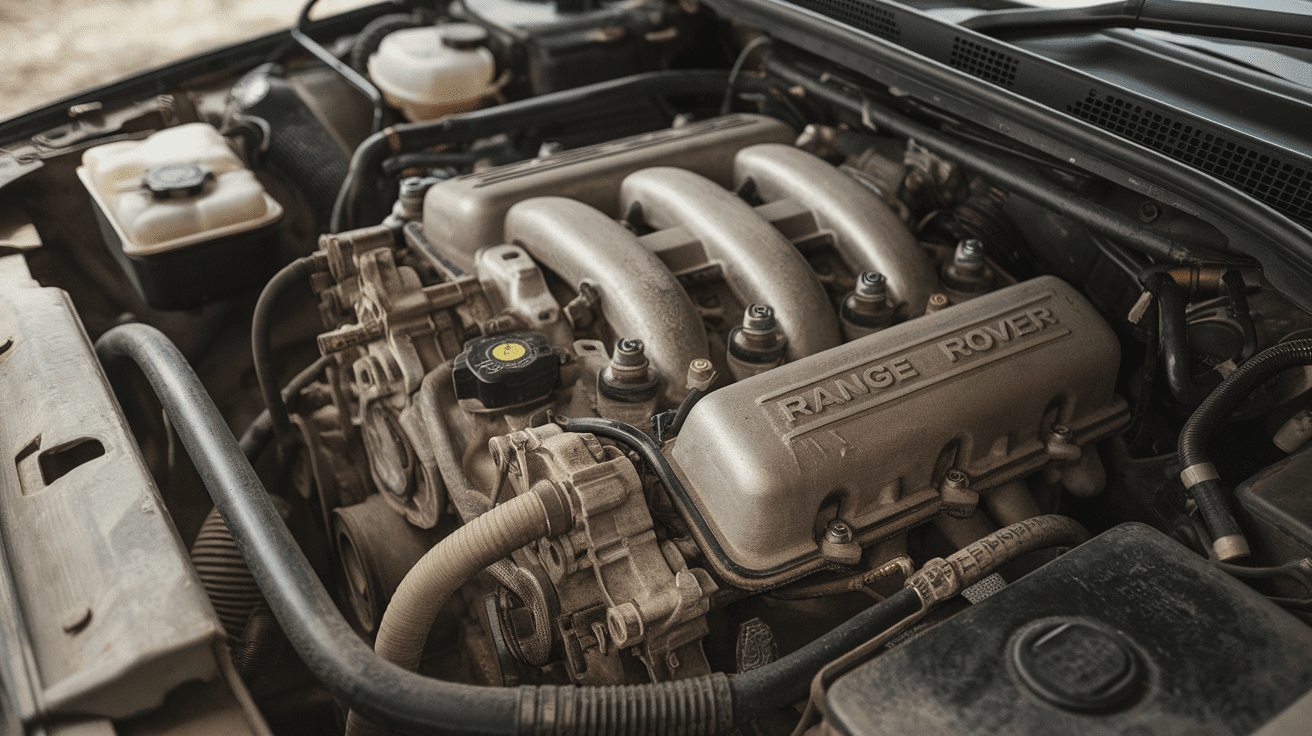
A gasoline turbo engine, a supercharged engine, a diesel, and a hybrid powertrain need different assessments. A result advertised for one Range Rover Sport engine cannot be transferred to every Sport, Velar, Evoque, or full-size Range Rover. Even similar engines may have different supporting hardware, software, or transmission limits.
Explain your use: daily traffic, highway travel, towing within the vehicle's approved limits or sand driving. Improved pedal response, stronger acceleration and higher peak power are different requests. Pedal mapping and turbo response are not the same thing. A sharper accelerator response can feel faster without establishing a higher maximum output.
For mild hybrids and plug-in hybrids, require explicit support for the exact powertrain and software. An engine-only dyno claim does not automatically describe combined hybrid output or battery-dependent behavior. High-voltage diagnosis and modifications require appropriately qualified personnel; owners should not inspect those components themselves.
Staying standard is a valid choice when warranty coverage, predictable running costs, or limited appetite for mechanical risk matters more than additional output. Maintenance restores intended performance; performance tuning changes the operating specification.
ECU remap versus piggyback tuning box
An ECU remap changes calibration data in the engine control unit. A piggyback is an additional module that changes selected signals used by the existing control system. The exact channels and strategy vary by product. Neither approach is automatically safe, suitable, or better for Dubai traffic.
| Decision point | ECU remap | Piggyback module |
|---|---|---|
| What changes | Supported calibration areas within the ECU, potentially including torque requests, fueling, ignition, and boost strategy. | Selected sensor or control signals through an additional module and wiring harness; scope depends on its design. |
| Evidence to request | Exact ECU/software compatibility, calibration identity, protection strategy, and relevant before-and-after logs. | Exact engine compatibility, affected channels, harness installation requirements, and logs showing resulting operation. |
| Practical limits | Software access does not increase the physical capacity of the engine, turbo, fuel system, cooling system, or gearbox. | The module has limited control channels and does not independently coordinate every engine or transmission function. |
| Failure risks | Unsuitable calibration, excessive load, poor flashing procedures, or suppressed diagnostics can create problems. | Unsuitable signal changes, connector faults, wiring damage, or poor installation can create problems. |
| Returning to standard | Requires an appropriate original or approved standard file and a documented process. | May involve removal and restoring original connections, following the product's instructions. |
RaceChip describes external tuning modules connected between the ECU and selected sensors. This is a manufacturer's description of its products, not independent proof of gains or suitability for your vehicle.
Removal or a return to standard software does not undo previous mechanical stress or guarantee warranty acceptance. Ask how a future dealer software update will affect compatibility, who retains the original file where applicable, and what support is included. An engine remap and a transmission-control-unit change are separate work scopes; neither should be assumed to include the other.
Hardware limits matter more than a headline gain
A credible proposal explains how requested torque and temperatures relate to the fitted hardware. Ask which limits were assessed, which data were measured, which values were estimated, and where uncertainty remains. “Stage 1” and “Stage 2” are vendor labels, so obtain the actual software and parts specification.
For turbocharged engines, additional boost can move the turbo beyond a suitable operating range. Fuel delivery, combustion control, charge-air temperature, and exhaust temperature also matter. For supercharged engines, a pulley or other hardware change needs its own compatibility assessment rather than being treated as a routine software option.
The transmission and driveline must also be considered, particularly where additional low-speed torque is requested. A higher torque target is not evidence that clutches, cooling, or other components have enough reserve capacity.
Garrett's system-testing guidance identifies relevant pressure, temperature, air-fuel, and turbo-speed monitoring and warns about turbo overspeed. It does not establish a safe boost or torque number for every Range Rover. Relevant channels and sensors differ by engine; ask the calibrator to explain the available evidence.
An intercooler, intake, or exhaust upgrade should follow an identified need and a compatible design. Buying extra parts does not by itself make an unsuitable calibration safe. Do not accept disabled warnings or emissions controls as a substitute for resolving faults.
Dubai heat, fuel, and sand driving change the assessment
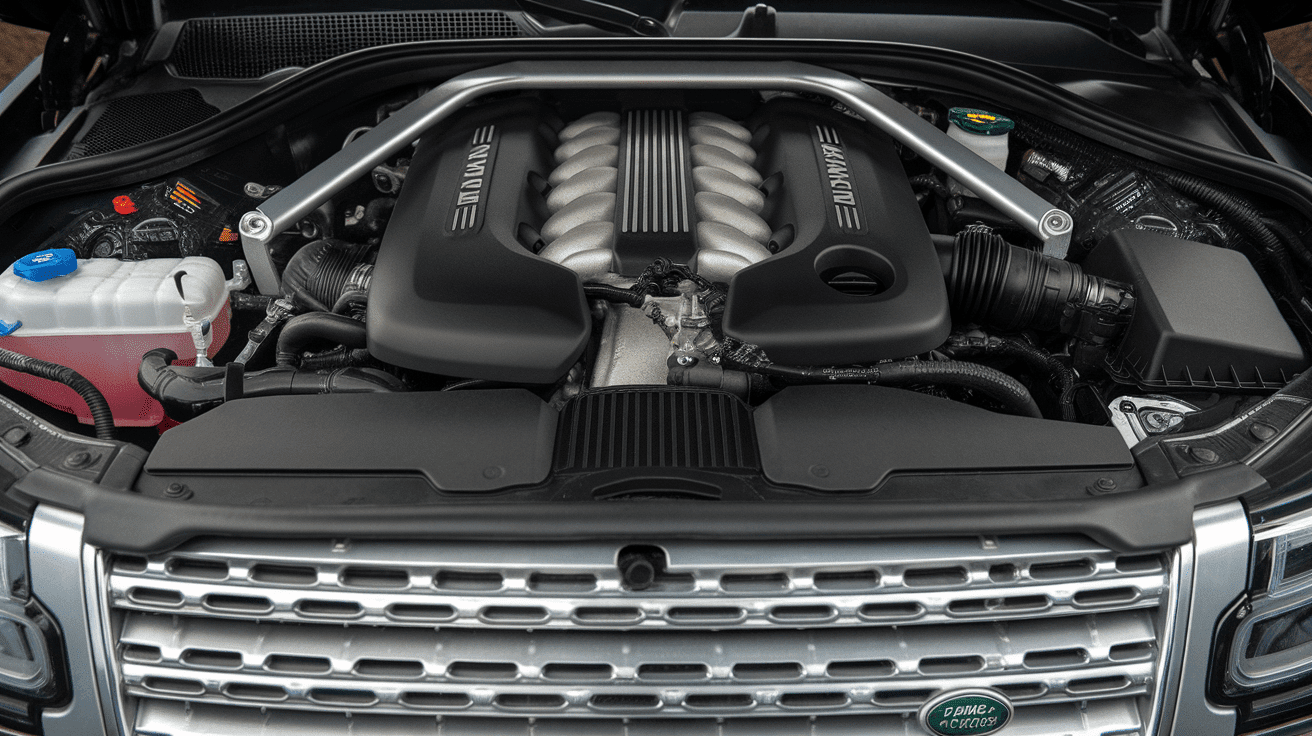
Heat and prolonged load make thermal management relevant, but a “Dubai map” is not evidence of adequate testing. Ask how the vehicle behaves after heat soak and repeated load, not only during one cool dyno run. Software cannot repair a weak cooling system or physically remove dust from an intake.
For gasoline engines, obtain the required fuel specification in writing, including the octane rating system. Follow the applicable handbook and proposed calibration requirements. A US pump number should not be read as the same number on a RON label: the US Energy Information Administration explains how US octane ratings are calculated.
Higher octane provides greater resistance to knock; it does not guarantee safe operation with excessive temperatures, inadequate fuel delivery, or an unsuitable tune. Do not assume that every Range Rover needs the same premium grade. Gasoline octane advice does not apply to diesel fuel.
For sand driving, discuss sustained load, cooling airflow, traction, and predictable pedal response. Extra torque does not guarantee less wheelspin, better traction-control operation, or improved cooling. Tuning does not raise approved towing or payload limits. Keep operating within the vehicle's applicable limits and choose preparation appropriate to the planned use.
What useful calibration evidence looks like
Request results for a comparable engine, hardware configuration, fuel, and software version. Better still, obtain a documented baseline and post-work assessment for your own vehicle. A customer story without traceable conditions cannot establish a percentage gain.
- Comparable measurements: same dyno method, gear, fuel, cooling arrangements, and recorded test conditions, with clear identification of wheel output versus estimated engine output.
- Repeatability: consistent results after the vehicle warms up, with relevant logs reviewed rather than only the highest power figure selected.
- Operating behavior: cold and hot starting, idle, part-load response, shifting, warning messages, and relevant engine protection behavior checked within a controlled test plan.
- Written delivery record: software or module identification, required fuel, fitted parts, unresolved limitations, and the agreed support and restoration process.
Dynojet explains how dyno correction factors account for atmospheric conditions. They improve comparability within the stated method; they do not turn a dyno run into a durability test, emissions approval, or warranty guarantee.
Judge economy separately over comparable journeys and fuel records. Traffic, trip length, driving style, and use of the extra performance can change consumption. Do not choose a tune on promised fuel savings or assume that higher output extends engine life.
Confirm approval, warranty, insurance, and the written quote
Before paying for a road-going modification, check the proposed work with the relevant licensing authority. The UAE government's road-safety guidance states that engine, structure, or color modifications require prior licensing-authority approval. Ask RTA which requirements apply to your specific change and vehicle. A workshop's assurance or a “reversible” label is not that approval.
Keep three questions separate: whether the modification is approved for road use, whether your insurer accepts it, and what your warranty provider covers. Obtain written answers from the relevant parties. Do not assume one party's acceptance binds the others.
JLR's published warranty exclusions identify repairs required as a direct result of unauthorized performance modifications, including chip tuning. That archived document is not a substitute for the current warranty contract applicable to your vehicle and market. Returning to standard does not itself guarantee that a claim will be accepted. Whether a modification affects an unrelated claim depends on the applicable terms and circumstances.
The cost depends on the exact vehicle and work scope. Request an itemized quote covering baseline diagnosis, software or module, installation, validation, any justified hardware, and follow-up support. Confirm whether VAT, approval-related work, restoration to standard, and future software compatibility work are included. A tuning-product warranty, workmanship cover, and vehicle mechanical warranty may cover different losses.
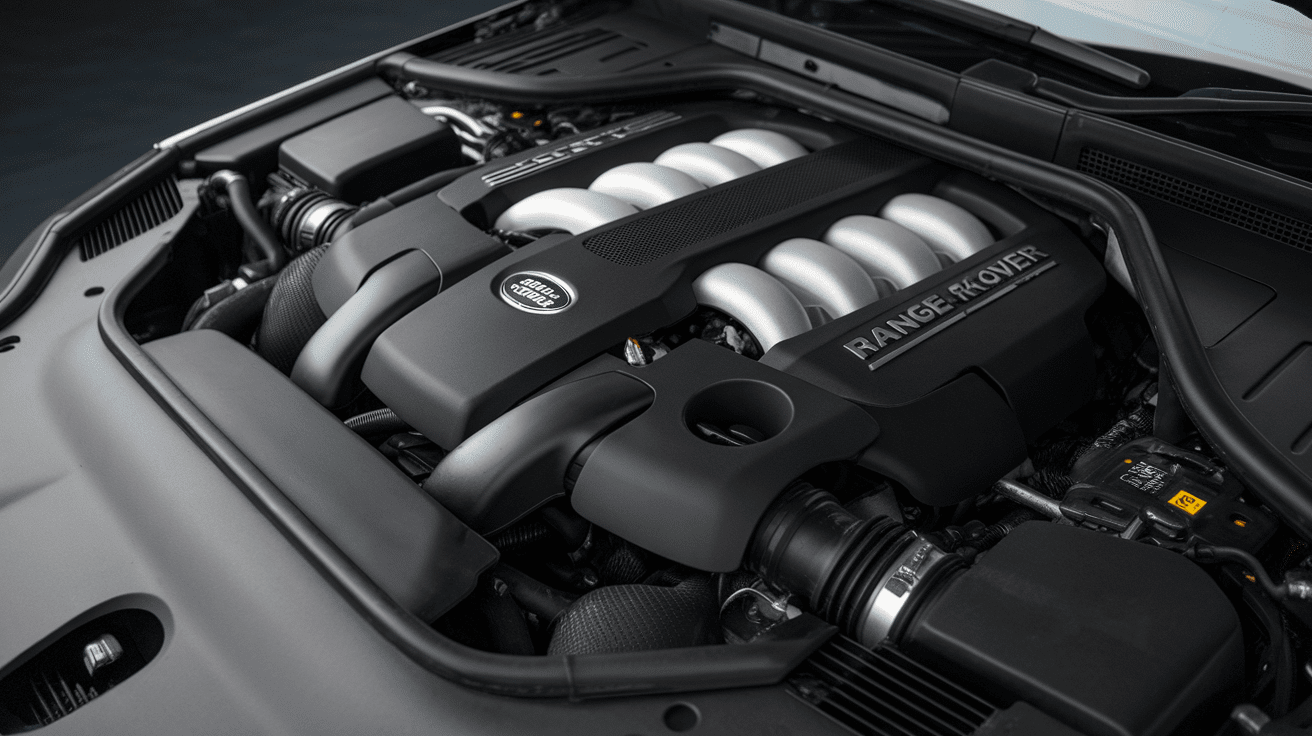
When a tune needs review
Retuning should have a vehicle-specific reason rather than an automatic calendar or seasonal schedule. Review compatibility after an ECU update, relevant hardware change, or a change in the specified fuel or intended use. New faults or deteriorating performance call for diagnosis first, not automatically another map.
Continue the manufacturer's applicable maintenance requirements. Any additional checks should have a stated technical basis for the actual vehicle, use, and modification. “Tuned-engine oil,” routine additives, or a generic shorter interval are not substitutes for the required oil approval and correct servicing.
The practical decision: keep the vehicle standard if its condition, calibration evidence, approval, or coverage remains unresolved. Consider a modification only after those questions have clear answers and you accept the remaining mechanical and ownership risks.
Range Rover engine tuning FAQs
Can tuning fix hesitation or poor acceleration?
Not reliably. First determine whether the cause is a fault, normal powertrain behavior, or an existing modification. Diagnose a new loss of performance before changing the calibration.
Is a removable tuning box safer than a remap?
Removability describes installation, not the load imposed on the engine. Compare the exact product, affected signals, installation quality, protection behavior, and test evidence. Neither method is automatically safer.
Will returning the car to standard protect my warranty?
It does not guarantee coverage. The applicable contract and circumstances of the claim matter. Ask the warranty provider about the exact proposed modification before proceeding.
What if the fuel required by the tune is unavailable?
Get a written contingency from the calibrator before purchase. Do not assume knock control or a fuel additive makes a lower grade acceptable. If the required specification cannot be supplied consistently, reconsider that calibration.
Should I tune before a long desert trip?
A trip deadline is a poor reason to accept an unvalidated change. Resolve faults and check the vehicle's preparation first. Any modification needs time for the agreed validation and follow-up before demanding use.
What should I keep after tuning work?
Keep the invoice, exact work scope, software or module identity, test results, fuel specification, applicable approvals and coverage responses, and restoration instructions. These records help future servicing and compatibility checks.
Discuss your Range Rover's tuning suitability
Share the model year, engine if known, mileage, current symptoms, existing modifications, and intended use with Range Rover Specialist in Al Quoz 4, Dubai. Ask for a condition assessment and a written scope before deciding on tuning. Provide vehicle identification privately if requested; a message alone cannot establish mechanical suitability.