

Safety-led brake diagnosis and repair in Dubai
Range Rover Brake Repair in Dubai
Brake warnings, grinding, squeal, vibration, pulling, a soft or hard pedal, fluid loss or poor parking-brake operation can involve different mechanical, hydraulic and electronic components. The correct repair starts with the exact symptom, measured wear and a complete safety inspection.
The first brake decision
Determine whether the vehicle is safe to move before choosing pads, discs or another part
A brake symptom is not a complete diagnosis. Noise can come from pad wear, debris, corrosion, hardware, disc condition or a shield. Vibration can involve discs, hub mounting, wheel or tyre condition, suspension movement or brake-force variation. A warning can refer to pad wear, fluid level, parking brake, stability control, electrical supply or another related system.
The inspection should confirm pedal feel, warning status, fluid integrity, pad and disc condition, caliper movement, hoses and lines, parking-brake operation, wheel-end security and any fault data relevant to the complaint. Parts should be approved from measured condition and the exact vehicle specification.
Send the model, year, VIN or registration, warning photo, whether the pedal feels different, which wheel makes noise, whether the vehicle pulls and any recent tyre, brake, battery or suspension work.
Mild repeatable noise, a wear message or vibration with normal pedal and control should still be checked before further wear develops.
Use caution with persistent warning lights, increasing vibration, pulling, overheating smell or a change in pedal feel. Ask whether a direct workshop trip is appropriate.
Do not drive with fluid loss, reduced braking, a sinking pedal, severe pull, smoke, a locked wheel or any warning accompanied by poor control.
The braking chain
Range Rover brake repair can involve more than pads and discs
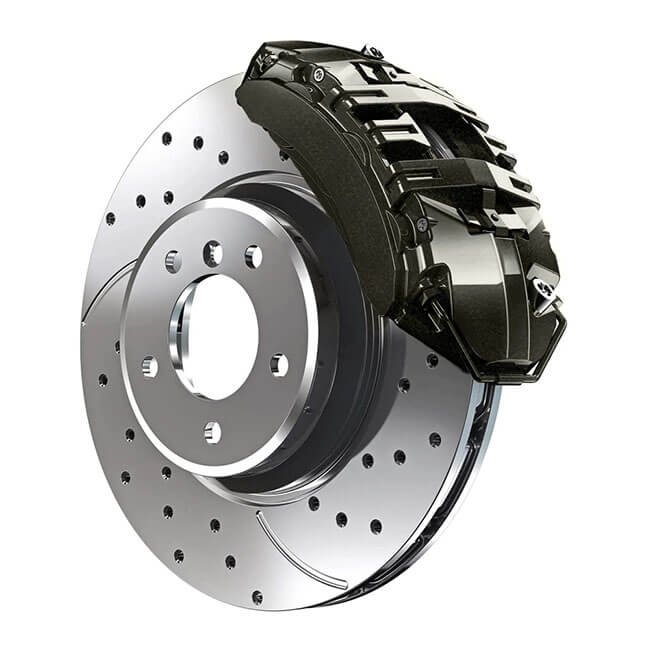
The pedal, master cylinder, brake fluid, pipes, hoses and hydraulic control unit transmit and manage braking force. Fluid leakage or trapped air requires a different route from pad wear.
Pads create friction against discs. Thickness, surface condition, contact pattern, disc measurements and the fitted wear-sensor design help define replacement scope.
Pistons, seals, guide pins, carriers and contact points must apply and release evenly. Binding can overheat a wheel and create uneven wear or pull.
Hub cleanliness, wheel fastening, bearings, tyres and suspension movement can influence vibration and directional stability during braking.
Wheel-speed data, voltage, wiring and control faults can illuminate warnings or affect electronic brake functions without proving a mechanical pad or disc fault.
Mechanical cables, shoes, actuators, motors, switches or control modules may be used according to the vehicle. The exact generation must be identified.
Match the symptom to evidence
Brake symptoms, possible causes and the next check
| What you notice | What it can involve | Recommended next step |
|---|---|---|
| Squeal or scraping | Pad material, wear indicator, debris, corrosion, hardware contact, shield movement, disc surface or another wheel-end source | Inspect pad thickness, contact surfaces, hardware, disc condition and the exact point of noise |
| Grinding with reduced response | Severely worn friction material, disc damage, seized component or another urgent mechanical fault | Stop driving and request recovery guidance rather than continuing to test the brakes |
| Vibration while braking | Disc thickness variation, hub mounting, wheel torque, bearing or suspension movement, tyre condition or brake-force variation | Measure rather than assuming the discs are warped from pedal feel alone |
| Vehicle pulls under braking | Uneven caliper action, contaminated friction material, tyre pressure, suspension play, brake hose restriction or wheel-end temperature difference | Compare both sides, temperatures, wear and mechanical movement |
| Soft or sinking pedal | Fluid leak, air, hydraulic component concern, hose expansion or another pressure-loss condition | Treat as urgent and verify hydraulic integrity before the vehicle is driven |
| Hard pedal or high effort | Assistance concern, vacuum or control issue where applicable, pedal mechanism, hydraulic restriction or another system fault | Inspect the fitted assistance and control system rather than replacing friction parts |
| Brake warning light | Fluid level, pad wear, parking brake, ABS, stability control, electrical supply, sensor or hydraulic fault | Record exact wording and colour, then compare fault data with physical brake condition |
| Parking brake will not apply or release | Switch, actuator, motor, cable, shoes, adjustment, voltage, wiring or control fault depending on the model | Identify the fitted system and avoid forcing or repeatedly cycling a jammed mechanism |
Four evidence lanes
How the workshop builds a brake diagnosis
Driver report
Record warning text, pedal feel, noise, speed, temperature, braking force, direction of pull, parking-brake behaviour and recent work.
Physical inspection
Check fluid, leaks, pad and disc condition, calipers, hoses, lines, hardware, tyres, wheel bearings and suspension security.
Measurements and data
Measure friction material and discs where relevant, compare wheel-end temperatures, review fault data and test hydraulic or electrical operation as required.
Controlled verification
After approved work, confirm pedal condition, warning status, release, stopping stability and the original symptom under safe test conditions.
A brake scan does not replace a physical inspection. Electronic data can identify control or sensor concerns, while pad wear, leaks, binding, disc condition and mechanical security require direct checks.
Different findings need different work
Brake pads, discs, calipers, hydraulics and parking brake
Brake pads
Pad replacement should follow measured thickness, wear pattern, contamination, sensor condition and the exact axle specification. Uneven wear can point to caliper or hardware problems that new pads alone will not correct.
Brake discs
Disc decisions should consider thickness, surface, cracking, scoring, corrosion, variation and mounting condition. Visual appearance alone may not answer a vibration complaint.
Calipers and carriers
Pistons, seals, guide pins and carriers must move correctly and release the wheel. Binding or leakage changes the repair route and can damage new friction parts.
Fluid, hoses and lines
Leaks, contamination, damaged hoses and hydraulic faults need immediate attention. The correct fluid and bleeding procedure depend on the exact vehicle.
ABS and brake warnings
Wheel-speed sensors, wiring, voltage, control units and communication can create warnings. Physical brake condition still needs checking alongside data.
Parking brake
Mechanical and electronic parking-brake systems use different parts and procedures. Shoes, cables, actuators, motors, switches and control faults should not be treated as one generic job. For warning, release or holding concerns on an electronic system, the Range Rover EPB repair guide explains the checks needed before an actuator or module is approved.
From inspection to handover
Range Rover brake repair process
Confirm the complaint
Record pedal, warning, noise, vibration, pull and parking-brake behaviour before dismantling.
Inspect the whole axle and system
Compare both sides, fluid integrity, hoses, calipers, pads, discs, tyres and connected suspension parts.
Measure and approve
Document wear, damage, binding, leakage or electronic evidence and define the exact parts and labour scope.
Install and service correctly
Use the vehicle-specific procedure for friction parts, hydraulic work, parking brakes and electronic service modes.
Verify braking control
Check pedal condition, release, warning status, wheel temperatures, stopping stability and the original symptom.
Measurements prevent guesswork
What should be checked before pads or discs are approved
Compare inner and outer pad thickness, wear pattern, contamination, cracking, glazing and sensor status. One thin inner pad can indicate a movement problem not obvious from the outside.
Review thickness, surface, edge, scoring, corrosion, heat effects and any variation relevant to vibration. Specifications depend on the exact disc and vehicle.
Confirm piston and guide movement, boot condition, leakage, carrier security and whether the brake releases without excessive drag.
Check hub and wheel mounting cleanliness, bearing condition and fastening because poor mounting can affect runout and vibration.
Avoid expensive wrong turns
Brake problems commonly misdiagnosed
Hub mounting, wheel torque, tyres, bearings and suspension play can influence vibration. Measurements should support disc replacement.
Material, hardware, corrosion, debris and shield contact can create noise even when thickness is not the main fault.
Tyres, pressure, suspension wear, contaminated friction material and hose restrictions can create directional change.
A code or service reset does not restore pad thickness, stop a leak or release a binding wheel.
Different generations use cables, shoes, motors, switches and modules. The fitted system and fault must be identified.
A soft pedal or fluid loss needs hydraulic diagnosis. Friction replacement does not repair pressure loss.
Vehicle details matter
Range Rover braking systems vary by model and generation
Range Rover, Range Rover Sport, Evoque, Velar and Land Rover models use different disc sizes, calipers, pad shapes, wear sensing, parking-brake designs and electronic control platforms. Performance packages, wheel sizes, towing equipment and market specification can also change parts.
Use the VIN, axle and fitted equipment before ordering pads, discs, calipers, sensors, hoses or parking-brake components. A model name and year may still cover more than one brake specification.
Do not apply another model’s fluid, service-mode or parking-brake procedure. Electronic parking brakes and hydraulic control systems can require vehicle-specific preparation and verification.
An accurate quote needs measured condition
What affects Range Rover brake repair cost
Price depends on the model, axle, fitted brake package, confirmed fault, pad and disc condition, caliper or hydraulic work, wear sensors, parking-brake system, parts status and the labour needed for diagnosis and verification. A fixed pad price can be misleading if discs, calipers or a hydraulic fault are also involved.
- VIN, model year, axle and fitted brake package
- Exact warning, pedal and noise condition
- Pad and disc measurements on both sides
- Caliper, hose, line and fluid findings
- Wear sensors and parking-brake system involved
- New, remanufactured or repaired component status
- Fluid service, electronic service mode and resets included
- Verification and warranty terms for the exact scope
Brake repair questions
Frequently asked questions
Can I drive with a Range Rover brake warning?
It depends on the exact message and actual braking condition. Stop and request recovery guidance when a red warning remains with a pedal change, fluid loss, reduced braking, severe pull, smoke or a locked wheel.
Does squealing mean the brake pads need replacing?
Not always. Squeal can involve pad wear, material, debris, corrosion, hardware or shield contact. Pad thickness and the full wheel-end condition should be inspected.
Why does my Range Rover vibrate while braking?
Possible causes include disc variation, hub mounting, wheel fastening, bearings, tyres, suspension play or uneven brake force. Measurements help separate them.
Should pads and discs be replaced together?
Not universally. The decision depends on pad and disc measurements, surface condition, compatibility and the exact repair procedure. The quotation should explain why each part is included.
How much does Range Rover brake repair cost in Dubai?
Price depends on the vehicle, axle, brake package, confirmed fault, pads, discs, calipers, hydraulics, sensors, parking brake and parts status. Inspection is needed for an accurate scope.
What should I send before booking?
Send the model, year, VIN or registration, warning photo, pedal description, noise or vibration pattern, affected wheel if known and recent brake, tyre or suspension work.
Book brake diagnosis in Dubai
Confirm the braking fault before approving pads, discs or major parts
Share the model, year, warning, pedal condition, noise, vibration and recent repair history. We will advise whether the next step is a workshop inspection or recovery guidance.