

Engine repair assessment in Dubai
Range Rover Engine Rebuild Assessment in Dubai
An engine rebuild is a major repair decision. Before an engine is opened, the vehicle needs evidence that explains the mechanical condition, the extent of damage and whether a targeted repair, rebuild or replacement is the sensible option.
Major work needs a clear reason
Repair, rebuild or replacement are different decisions
A noise, low power, smoke, overheating history, oil pressure concern or repeated misfire can make an owner fear the worst. None of those symptoms proves that a full rebuild is needed. The engine, vehicle history and supporting tests determine whether the fault is limited, whether internal work is justified and whether another option better protects the vehicle and budget.
When the issue has a defined scope
A sealing, cooling, timing, cylinder-head or other specific repair may be appropriate when the evidence supports that repair. The work should still address the reason the component failed, not only the visible result.
When internal condition and repair scope justify it
A rebuild can be considered when measurements and strip-down evidence show internal damage that can be repaired within a defined scope. The precise work depends on the engine, confirmed condition and parts availability.
When it is the more suitable comparison
A replacement option should be compared on condition, provenance, compatibility, included components, programming needs and the work needed to avoid carrying the original cause into the next engine.
When evidence is incomplete
Do not approve major work from a warning light, a single scan result or a remote description. Ask what has been measured, what remains uncertain and what the next stage can prove.
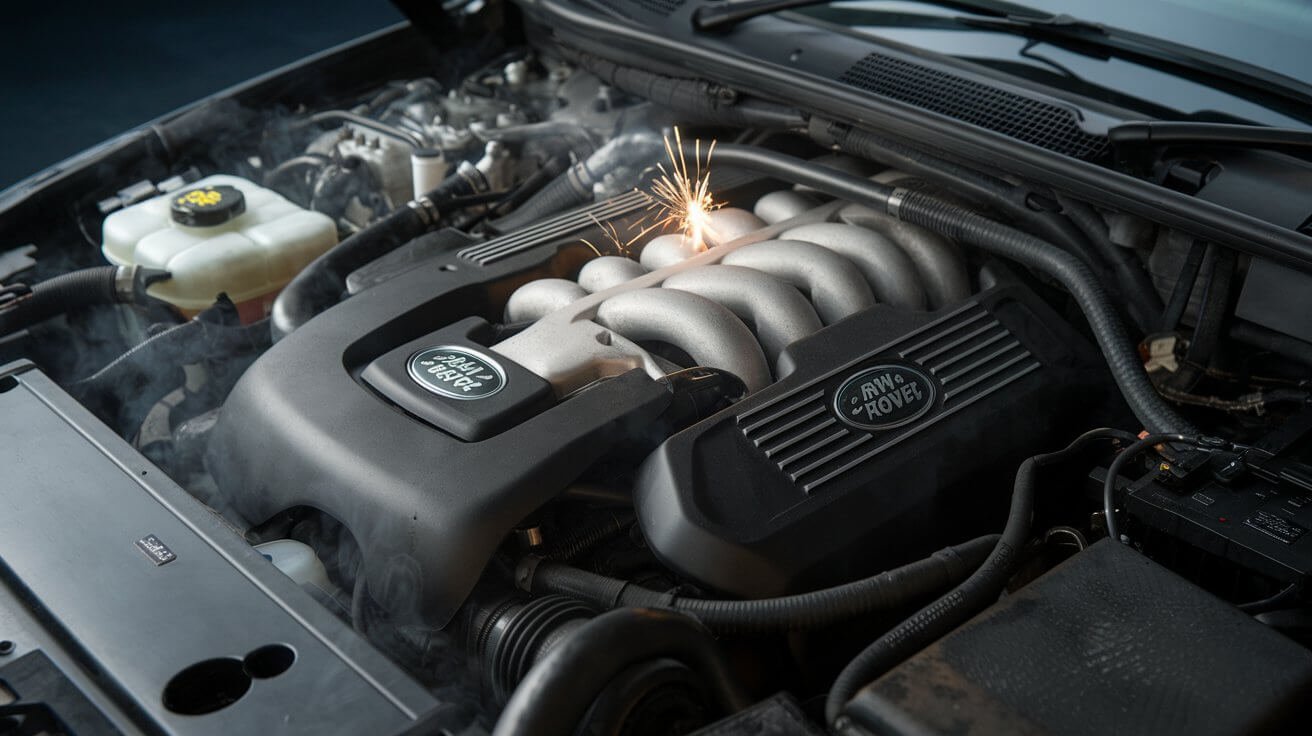
What an engine assessment should establish
The first task is to connect the original complaint with verifiable evidence. This may include the engine-running pattern, fluid condition, temperature history, stored information, external leaks and relevant measurements. The aim is to separate a fault outside the engine from a proven internal condition.
When internal damage is suspected, the assessment should explain what makes that concern reasonable, what can be confirmed without dismantling and what requires a controlled strip-down. Disassembly must have a purpose. It should be tied to a decision that cannot be made reliably with the evidence already available.
Tell the workshop if there has been coolant loss, overheating, oil consumption, smoke, a prior repair, unusual noise, warning messages or a sudden power change. The vehicle model, year, engine type and VIN help define the correct technical process.
Evidence needed before an engine is opened
| Area | What the assessment may need to establish | Why it affects the decision |
|---|---|---|
| Mechanical condition | Relevant compression, sealing, timing, lubrication or internal-condition evidence | It helps distinguish a possible engine concern from one that is proven enough for major work |
| External systems | Cooling, fuel, air, ignition, wiring and control issues that can imitate or create engine symptoms | Rebuilding the engine without correcting the initiating fault can create repeat damage |
| Damage extent | What is confirmed, what is suspected and what can only be known after controlled dismantling | The scope, parts requirement and quotation cannot be honest until those boundaries are clear |
| Vehicle-level decision | Exact configuration, service history, owner priorities and realistic repair options | The technically possible option may not be the right ownership decision for every vehicle |
A controlled scope, not a generic overhaul
How an engine rebuild scope is developed
Review the original symptom
The assessment starts with the problem that brought the Range Rover in. A rebuild should not disconnect the final repair decision from the overheating, misfire, pressure, noise or oil-consumption evidence that led to it.
Record measurements before dismantling
Relevant diagnostic and mechanical information is recorded so the condition can be compared as the investigation moves forward.
Use strip-down only to answer defined questions
Where disassembly is justified, the work should establish the condition of the affected parts, what can be repaired and what additional parts or processes become necessary.
Correct the initiating cause
Cooling failure, contamination, lubrication, intake, fuel, electrical or other contributing issues must be assessed alongside the mechanical repair when relevant.
Agree the scope and verification plan
Before repair approval, the owner should understand the confirmed work, any staged uncertainty and how the engine will be checked after completion.
What may be included in a rebuild
The parts and labour depend on the confirmed engine condition. A scope may involve internal components, machining or specialist processes, sealing items, timing-related parts, fluids, external components affected by the failure, programming or calibration where applicable, and final testing. It is not credible to promise the same list for every Range Rover engine.
Ask what is included, what is excluded, what depends on strip-down findings and what evidence will be used if the scope changes. An exact model and engine reference matters because compatible parts, procedures and control requirements can differ between generations.
How the result should be checked
Final checks should match the original complaint. They may include controlled running, leak checks, relevant operating data, temperature behaviour, warning review and a suitable road check where safe. A completed engine rebuild should be assessed as a whole system, not only as an assembly that starts.
How rebuild costs are assessed in Dubai
A fixed rebuild price would be misleading before the exact condition is known. The final quotation depends on the model and year, confirmed internal damage, labour, parts, fluids, specialist work, programming, calibration and current availability.
Prices are indicative until the evidence and scope are agreed. A quote should separate the assessment stage from the approved repair work, state the known inclusions and make any strip-down dependency visible. It should not describe a starting figure as the likely final bill.
For budgeting before inspection, Range Rover repair costs in Dubai are best understood as planning ranges rather than a rebuild quotation. If overheating or coolant loss is part of the history, tell the workshop before the vehicle is moved or restarted because the cooling fault and any resulting engine damage need to be separated.
The vehicle matters as much as the engine
Why the exact Range Rover configuration changes the rebuild job
Different Range Rover generations and engines can have different component layouts, service information, supporting systems, electronic control requirements and parts availability. A description such as Vogue or Sport is not mechanically precise enough by itself. The engine type, model year and VIN are used to identify the right configuration before a major scope is discussed.
The previous service history also matters. A rebuild decision can be affected by prior overheating, cooling-system work, timing work, oil changes, engine replacement history and any earlier diagnostic findings. This does not mean a past repair caused the new problem. It means the history may change the most useful questions and tests.
Questions to ask before approval
Ask what has been confirmed and what is still a possibility. Ask which measurements, inspection findings or strip-down evidence support the proposed route. Ask whether the initiating cause has been identified, how the scope will be updated if further damage is found and which final checks will be performed.
Also ask how the quotation separates diagnosis, strip-down, parts, labour, specialist work and any programming or calibration. Clear answers allow you to compare a rebuild with a targeted repair or replacement without confusing a preliminary estimate with a final repair commitment.
When to pause before approving major engine work
The evidence is only a symptom
Smoke, power loss, a noise or a dashboard message can be serious, but none is a complete engine diagnosis. Ask for the evidence that connects the symptom to the proposed internal repair.
The scope is described as open-ended
Some uncertainty after strip-down can be genuine. It should still be explained as a defined stage, with clear approval before additional chargeable work proceeds.
The cause of damage is not addressed
Where a cooling, lubrication, fuel, air or control problem has contributed, it needs consideration beside the engine work. Otherwise the repair may not solve the reason the condition developed.
The final check is vague
Major work needs a clear plan for running, leak, warning and operating-condition checks that relate back to the reason the vehicle was brought in.
Preparing the vehicle for an accurate assessment
Bring any service invoices, previous inspection reports and details of the original warning or fault. Do not top up fluids, erase codes or remove parts immediately before the visit unless this is necessary for safety. If there is a fluid leak, smoke, steam or an overheating warning, do not start the vehicle only to make it easier to move.
Before handover, remove valuables and make sure the key, locking information and any alarm or battery issue are explained. Confirm who can approve diagnosis and who should receive updates. Vehicle collection is not the same as approval for an engine rebuild or any other repair. It merely allows the vehicle to reach the assessment stage safely and with the available history preserved.
After major engine work
The handover should explain the final approved scope, the condition that was corrected and any model-specific follow-up advice that is supported by the completed work. Keep that information with the service record. It gives a clearer starting point if a future warning or running concern needs assessment.
If a new warning, leak, smoke, unusual sound or power change appears after handover, report it with the exact circumstances rather than diagnosing it remotely. A new symptom may be related, but it also needs its own evidence before a conclusion is made. Keeping the evidence separate helps avoid treating a new concern as an automatic repeat of the old one.
Ask for an evidence-led assessment
What to send before requesting an engine rebuild quotation
Share the model, year, engine type if known, VIN, exact symptoms, warning messages, whether the car is driveable and any previous diagnosis or repair paperwork. Mention coolant loss, overheating, smoke, oil consumption, low oil-pressure warnings, unusual noise or a change after recent work.
This helps the workshop plan the right first assessment. It does not replace testing, and it does not commit you to a rebuild. If the vehicle should not be driven, explain its location and condition and ask whether a suitable collection arrangement can be discussed.
Engine rebuild questions
Can an engine be rebuilt without diagnosis?
No. Diagnosis and condition evidence should come before a major repair decision. A rebuild cannot be safely defined from a symptom alone.
Is rebuilding always cheaper than replacement?
No. The comparison depends on the confirmed damage, engine availability, compatibility, the required supporting work and the quality of evidence available for each route.
Does overheating always mean the engine needs rebuilding?
No. Overheating can have several causes and consequences. The cooling concern and actual engine condition need assessment before internal work is proposed.
Can a scan show whether the engine needs rebuilding?
A scan can provide useful directions, but it cannot independently confirm the complete mechanical condition or final rebuild scope.
What evidence can support an engine rebuild decision?
The evidence depends on the complaint and engine, but it may include compression or cylinder-sealing results, lubrication or timing findings, verified internal noise, contamination, visible damage after controlled dismantling or measurements that show a smaller repair will not address the confirmed condition.
What changes the cost of a Range Rover engine rebuild in Dubai?
Cost changes with the exact engine, extent of internal damage, machining or specialist processes, parts availability, supporting cooling or lubrication repairs, labour, fluids and any programming or calibration required after assembly. A final quotation needs a defined scope.