
Wheel-end noise diagnosis in Dubai
Range Rover Wheel Bearing Replacement in Dubai
A humming, grinding or droning noise can come from a wheel bearing, but tyres, brakes, driveshafts and suspension parts can create a very similar sound. We trace the affected corner and the exact wheel-end fault before approving a bearing or hub replacement.
Start with the sound pattern
A bearing replacement should follow a confirmed wheel-end diagnosis
A wheel bearing supports the hub while allowing the wheel to rotate under vehicle weight, cornering, steering and braking load. Damage inside the bearing or hub assembly can cause road-speed noise, roughness, heat or movement. The same symptoms can be produced by tyre tread wear, a dragging brake, a driveshaft joint, wheel damage, suspension play or a wheel-speed sensor concern.
The useful first question is not “which bearing should be replaced?” It is “which condition changes the noise?” A bearing-related sound often follows road speed and can change as cornering load moves from one side of the vehicle to the other. Tyre noise may change more with the road surface. Brake noise may appear during braking or after a wheel begins to drag. Driveshaft noise may follow torque or steering angle. These patterns guide the inspection, but they do not replace direct checks.
Vehicle details also matter. Some Range Rover and Land Rover applications use a separate pressed bearing. Others use a complete hub and bearing assembly with an encoder used by the wheel-speed sensor. The VIN, axle and fitted brake or suspension design should be confirmed before parts are ordered.
A road test is a diagnostic map
What changes the noise often reveals where to look next
A short, controlled road test can separate several common sound patterns. The vehicle should not be road tested when the wheel has severe play, visible movement, heavy grinding, excessive heat or unstable steering.
Road speed
A steady hum that rises with speed can point toward a rotating component. Tyres, wheel bearings, brakes and driveline parts all remain possible until the affected area is confirmed.
Steering load
A sound that changes during a gentle left or right curve can react to cornering load. The louder side should not be guessed from the turn alone because sound can travel through the body.
Braking and temperature
Noise or heat that appears with braking can involve pads, discs, calipers or shields. Compare wheel temperatures and brake release before calling the bearing faulty.
Acceleration and coast
A click, vibration or rumble that follows torque can involve a driveshaft joint, spline or other driveline connection. A bearing can still be involved, but the load pattern changes the test plan.
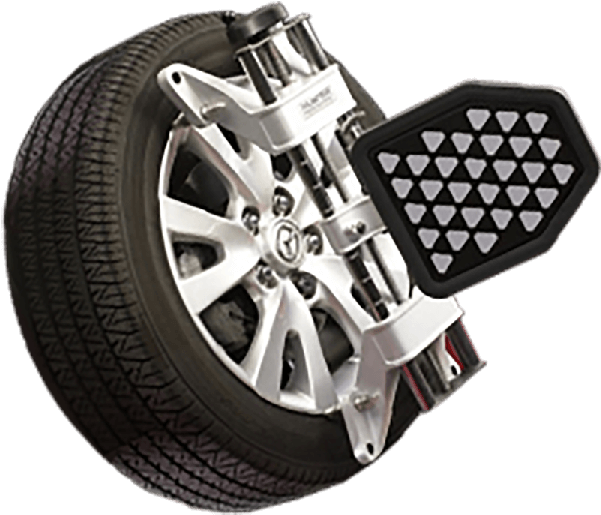
The complete wheel end
Six connected areas can create the same complaint
Bearing and hub
The bearing supports rotation and the hub carries the wheel and brake disc. They may be separate service items or one complete unit. Roughness, heat, seal damage and movement should be documented.
Wheel-speed signal
The ABS system needs a stable wheel-speed signal. A sensor may read an encoder associated with the bearing or hub, but wiring, connectors, contamination and hub movement can create the same warning. When the main complaint is an ABS or stability light, the signal needs a separate Range Rover ABS diagnosis before the hub is replaced.
Brake assembly
A dragging caliper, damaged disc, loose shield or trapped debris can create noise and heat at the same corner. Brake release and temperature comparison are essential before bearing replacement. A wheel that stays hot or drags needs a broader Range Rover brake inspection.
Tyre and wheel
Cupped tread, uneven wear, wheel damage, incorrect pressure and balance can create a drone or vibration. The road surface can make tyre noise appear and disappear.
Suspension and steering
Ball joints, control arms, track rods and wheel bearings can all create movement. The exact point of play should be watched while load is applied.
Driven hub connection
On a driven wheel, splines, joints and fasteners transmit torque through the hub. Noise during acceleration or tight turning may require driveline checks as well as bearing checks.
Decide whether the vehicle should move
Wheel bearing urgency depends on noise, heat, movement and control
A mild repeatable hum with normal steering, braking and wheel temperature should still be checked before it becomes more severe. Record the speed and road surface where it is most noticeable.
Use caution when the noise is increasing, vibration is strong, an ABS warning remains or one wheel feels rough. Ask whether a direct workshop journey is suitable.
Do not drive with severe play, strong grinding, excessive heat, a dragging or locking wheel, visible movement, loose fasteners or any loss of safe steering and braking control.
Workshop confirmation
How a wheel bearing fault is proved without guessing the corner
The test path begins with the owner’s sound pattern, then narrows the concern through tyre, brake, suspension, sensor and driveline checks. Replacement is approved only after the evidence points to the bearing or hub design used on the exact axle.
Capture the conditions
Record speed, steering direction, road surface, braking, acceleration, temperature, warning messages, impact history and recent tyre or suspension work.
Inspect the tyre and wheel first
Check pressure, tread pattern, wheel damage, fasteners and signs of impact. Compare both sides and note whether the sound changes on a different surface.
Load the wheel end correctly
Support the vehicle safely, rotate the wheel and observe movement at the hub, bearing, joints and steering links. The method must suit the suspension design.
Compare brake and speed data
Check brake release, wheel temperature, wheel-speed signals, wiring and the encoder. A sensor fault can exist without mechanical bearing damage.
Verify after repair
Recheck rotation, play, brake release, warning status and the original road-speed noise under safe test conditions. A separate remaining sound should be explained.
Similar symptoms, different repairs
Bearing, tyre, brake, driveshaft or sensor
The location of the sound is not enough. The workshop should compare the operating pattern with direct evidence from the wheel end so the repair follows the actual source.
Noise follows road speed and local roughness
A repeatable drone, rough rotation, heat or measured movement at one hub can support bearing or hub work after the exact corner and design are confirmed.
Proof to look for: hub play, roughness, heat or noise at the component.
The sound changes with surface or tread condition
Cupping, uneven wear, wheel damage, pressure and balance can create a strong road-speed hum without mechanical bearing movement.
Proof to look for: tread pattern, wheel condition and surface-dependent noise.
Heat or noise follows braking and release
A dragging caliper, shield contact, disc condition or trapped debris can make one corner noisy and hot. Brake release must be checked before the bearing is condemned.
Proof to look for: temperature difference, drag or braking-related noise.
Clicking or vibration changes with torque
A joint, spline or driven-hub connection can react to acceleration, coast or steering angle. The load pattern differs from a steady bearing drone.
Proof to look for: torque-related clicking, joint play or damaged boots.
Movement appears at a joint or link
Ball joints, control arms, track rods and mountings can create play or transmit noise through the same corner while the bearing itself remains smooth.
Proof to look for: visible movement away from the hub bearing.
Wheel-speed data fails without mechanical noise
A sensor, connector, encoder, air gap, wiring or voltage fault can trigger ABS and stability warnings even when the bearing rotates quietly.
Proof to look for: live-data dropout, wiring damage or encoder evidence.
Three possible repair routes
The replacement scope depends on the wheel-end design
The same symptom can lead to a pressed bearing, a complete hub assembly or no bearing replacement at all. The route should be selected from the exact axle design and the confirmed source of noise, play or warning data.
Separate pressed bearing
The wheel carrier uses a bearing that is removed and installed with controlled support. The hub, carrier bore, retaining parts and encoder relationship must be inspected so force does not damage the new rolling surfaces.
Complete hub and bearing assembly
The hub, bearing and sometimes the wheel-speed encoder are supplied as one matched unit. The flange, axle connection, fasteners, mating surfaces and electrical relationship must match the exact vehicle.
Related wheel-end repair
The correct work may involve a tyre, wheel, brake component, driveshaft joint, sensor, wiring repair or suspension joint when the bearing is quiet and secure. Diagnosis prevents unnecessary replacement.
Replacing both sides is not a universal rule. Inspect the opposite side and explain its condition. Replacement should follow measured evidence, the exact design and the approved repair scope.
A quotation must name the exact wheel end
What affects Range Rover wheel bearing replacement cost
The cost depends on the vehicle, axle, separate bearing or complete hub design, access, fastener condition, sensor relationship and any damage to the hub, carrier, brake or axle connection. A model name by itself is not enough because front and rear designs can differ across generations.
The quotation should state which corner is affected, what evidence supports the finding and whether the part includes a hub, encoder, fasteners or other related items. It should also identify any separate brake, sensor, suspension or alignment work.
- VIN, model year and exact axle
- Separate bearing or complete hub assembly
- Condition of the carrier, hub and driven connection
- ABS sensor, encoder and wiring findings
- Brake and suspension parts disturbed by the repair
- Part status and compatibility
- Road test, warning check and warranty terms
Dubai operating history matters
Heat, dust, water and impacts change the inspection context
Dubai driving can include high ambient temperatures, construction dust, repeated speed humps, kerb contact, off-road use and occasional deep water. These conditions do not prove a bearing has failed, but they help explain the history of a wheel-end concern. The most useful approach is to compare that history with current mechanical evidence.
Heat and brake drag
A hot wheel is not automatically a bearing problem. A binding brake can generate significant heat. Compare both sides and check brake release before choosing parts.
Dust and seal condition
Sealed bearings rely on intact sealing and correct installation. Visible contamination, corrosion or damage around the wheel end should be documented.
Road impacts
Potholes, kerbs and off-road impacts can affect the tyre, wheel, hub and suspension at the same time. Inspect the complete corner rather than one component.
The axle design decides the repair method
Front and rear wheel-bearing arrangements vary by model
Range Rover, Range Rover Sport, Evoque, Velar and Land Rover vehicles use different front and rear hubs, carriers, axle connections, wheel-speed encoders and fastening procedures. Wheel size, brake package, suspension layout and whether the wheel is driven can also change the access and parts required.
The VIN and exact axle should be checked before a bearing or hub is ordered. A front hub on one generation may be a complete bolt-on assembly, while another design may use a pressed bearing that needs controlled support during removal and installation. The sensor relationship also matters because an encoded bearing or hub must be installed in the correct orientation.
For vehicle-specific wheel-changing, jacking and warning information, consult Land Rover iGuide using the VIN. Generic lifting or tightening instructions should not be applied to every model.
Wheel bearing questions
Frequently asked questions
What does a failing Range Rover wheel bearing sound like?
It can produce humming, droning, grinding or rough rotation that follows road speed and may change with cornering load. Tyres, brakes, driveshafts and road surface can sound similar, so the corner and component should be confirmed.
Can I drive with a noisy wheel bearing?
A mild noise still needs prompt inspection. Stop and request recovery guidance when there is severe play, strong grinding, excessive heat, a dragging wheel, visible movement or unstable steering and braking.
Can a wheel bearing trigger an ABS warning?
Yes. Some hub or bearing designs include the encoder used by the wheel-speed sensor. The sensor, wiring, connector, encoder, voltage and mechanical play should be compared before parts are approved.
Do both wheel bearings need replacement together?
Not automatically. The opposite side should be inspected, but replacement depends on its measured condition, the exact design and the approved repair scope.
Is a wheel bearing the same as a wheel hub?
No. The bearing supports rotation and the hub carries the wheel and brake disc. Some vehicles use separate parts, while others use a complete hub and bearing assembly.
Will wheel bearing replacement require alignment?
Not every wheel bearing job changes adjustable suspension geometry. Alignment may be relevant when steering or suspension parts are disturbed, tyre wear is present or measurements show a need.
How much does Range Rover wheel bearing replacement cost in Dubai?
The price depends on the exact vehicle, axle, separate bearing or complete hub design, access, sensors, fasteners, related damage and part status. Inspection is needed for an accurate quotation.
Book wheel-end diagnosis in Dubai
Confirm the noisy or loose corner before replacing the bearing
Send the model, year, warning status, affected corner, an audio or video recording and any recent tyre, brake or suspension work. We will advise whether the next step is a workshop inspection or recovery guidance.