

Oil leak diagnosis and repair in Dubai
Range Rover Valve Cover Gasket Replacement in Dubai
Oil around the top of the engine, a burning oil smell, smoke from the engine bay, or oil inside a spark plug well can point to a valve cover gasket leak. The leak should be located and confirmed before a gasket is replaced because several nearby seals and ventilation faults can create similar symptoms.
A useful first answer
A small oil leak needs the right diagnosis before it becomes a larger repair
The valve cover gasket seals the joint between the valve cover and the cylinder head. When the seal leaks, engine oil can spread across the top or side of the engine. It may reach hot surfaces, wiring, ignition coils, spark plug wells, hoses, or the underbody. The correct repair starts by confirming where the oil begins, not by replacing the first gasket near the wet area.
Oil can travel with airflow and gravity, so the lowest visible drip is not always the source. A clean inspection area, the exact engine layout, the recent oil level, any previous repair, and the location of fresh oil all help separate a valve cover gasket leak from another engine oil leak.
For Dubai owners, the practical next step is an inspection if the leak is new, the smell is persistent, oil is reaching hot parts, or the engine oil level is falling. A brief photo can help the first conversation, but a photo cannot confirm the source.
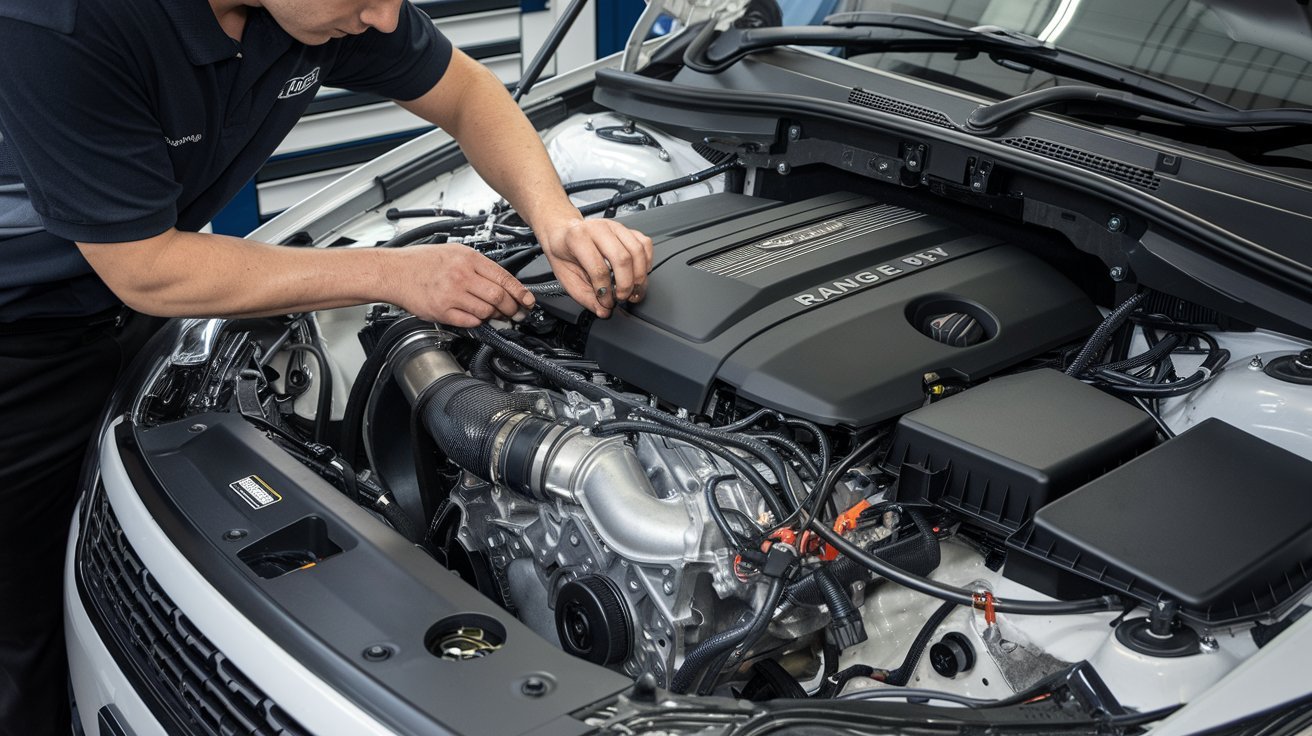
What owners usually notice
Valve cover gasket leak symptoms and what they may mean
One symptom does not prove the gasket has failed. Use the pattern below to decide how quickly the vehicle should be inspected and what information to share with the workshop.
Use this route for light seepage, a mild smell, or a small wet area when the oil level is stable and there is no smoke or warning message.
Act promptly when the smell is strong, oil is reaching ignition components, the level is dropping, or smoke appears after the engine warms up.
Do not continue if smoke is heavy, oil is reaching a very hot surface, a low oil pressure warning appears, the level falls rapidly, or the engine runs badly.
Avoid the wrong repair
Oil near the valve cover can start somewhere else
Replacing a gasket without tracing the fresh leak can leave the original problem untouched. The inspection should identify the highest fresh source and any condition that could make a new seal leak again.
The engine ventilation system affects pressure inside the crankcase. A restriction or related fault may contribute to oil leakage. The condition must be assessed for the exact engine rather than assumed from a generic symptom.
Oil can spread from the filler area, an upper timing cover, a vacuum pump area, a camshaft related seal, or another nearby joint. Cleaning and rechecking helps reveal the true starting point.
The gasket is not the only part in the joint. The cover, sealing groove, mating surface, fasteners, and any integrated components must be checked before the repair scope is agreed.
Spilled oil can create a temporary smell or wet area. The workshop should separate old residue from fresh leakage before recommending parts.
Airflow beneath the vehicle can move oil away from its source. An underbody drip near one component may begin higher or farther forward.
Diagnosis before replacement
How the leak is confirmed and the repair is planned
The exact sequence depends on the Range Rover model, engine, access, and current condition. The objective is to confirm the source, protect nearby components, and avoid repeating the leak.
Record the pattern
The technician reviews when the smell, smoke, oil spot, warning, or rough running began and whether the engine recently had service or repair work.
Inspect and clean
The upper engine, cover joint, plug wells, nearby seals, hoses, wiring, and underbody evidence are inspected. A dirty area may need cleaning before the source can be confirmed.
Check related causes
Oil level, ventilation condition, cover condition, ignition contamination, and other nearby leak points are considered according to the vehicle.
Verify after work
After the agreed repair, the area is checked for fresh leakage and the original smell, smoke, warning, or running concern is reviewed.
What a responsible quotation should define
- The confirmed leak source and the evidence supporting it
- The exact gasket, cover, seals, or related parts included
- Whether oil reached plug wells, coils, wiring, hoses, or hot surfaces
- Fluids, cleaning, and checks included in the agreed scope
- Any finding that can only be confirmed after access is created
What should not be assumed online
- A fixed price for every engine and model year
- A universal labour time for every access layout
- That every upper engine oil leak is the valve cover gasket
- That a misfire will be solved by replacing the gasket alone
- That the vehicle is safe to drive without knowing the leak rate
Repair scope depends on the evidence
Gasket replacement, cover work, and related ignition checks are separate decisions
If the gasket is the confirmed source and the cover and mating surfaces are suitable, the agreed work may focus on replacing the sealing components and cleaning the area. If the cover is damaged, distorted, cracked, or includes another failed component, the quotation may need a different scope.
Oil inside a spark plug well creates another decision. The source of the oil must be corrected, then the plug, ignition coil, connector, and well should be assessed. Replacing every ignition component automatically is not responsible. Equally, fitting a new gasket without checking contaminated components may leave a rough running concern unresolved.
The workshop should also explain whether another leak is present. A vehicle can have more than one source, especially after old residue has spread across the engine. Each recommended item should have a reason.
Related guidance: See our Range Rover oil leak repair page for wider leak diagnosis. If oil has reached ignition parts and the engine is misfiring, our Range Rover spark plug page explains why plugs should be inspected as part of the full ignition picture.
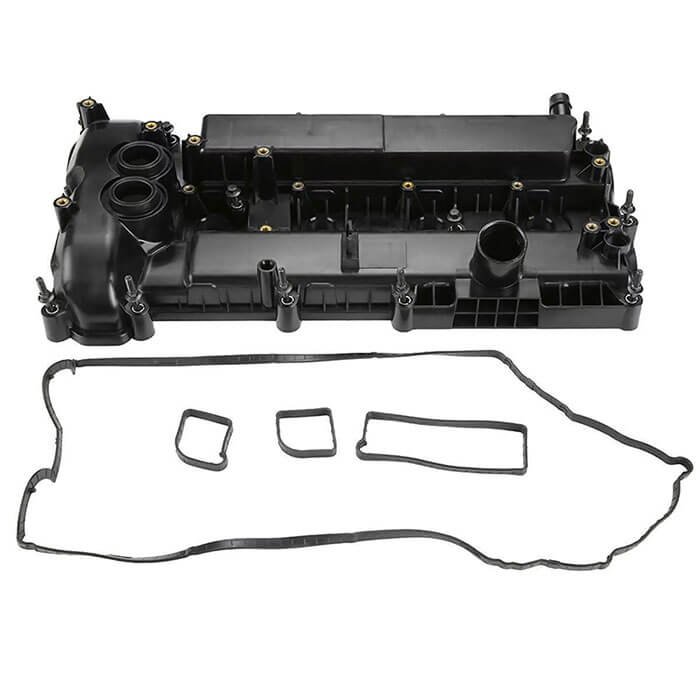
Vehicle details change the job
Why the exact Range Rover engine matters
Range Rover and Land Rover vehicles use different petrol, diesel, hybrid, and engine-family layouts. Access to the valve covers, the number of covers, integrated components, ignition arrangement, ventilation design, and nearby seals can differ. That is why a useful booking starts with the registration or VIN, model, year, engine if known, current warning, and a short symptom history.
Do not order a gasket by model name alone. Parts and repair procedures must be confirmed against the exact vehicle and engine. Land Rover’s official iGuide is the correct starting point for vehicle-specific owner information.
Aftercare and prevention
What helps a repaired sealing area stay clean and verifiable
A gasket is a sealing component, not a maintenance interval item that should be replaced on a universal schedule. After repair, follow the workshop’s vehicle-specific advice and keep an eye on the conditions that led to the inspection.
- Check the oil level using the vehicle’s correct procedure and respond to any warning message
- Do not ignore a new burning smell, fresh smoke, or a wet area after the engine is warm
- Keep service records and tell the workshop about oil work completed elsewhere
- Use the correct engine oil specification and fill procedure for the exact vehicle
- Return for assessment if fresh oil appears at the repaired joint or another location
- Avoid washing or adding products to the engine bay in a way that hides the source before inspection
Key takeaway
A valve cover gasket leak is usually manageable when the source is confirmed early. The important decision is not simply whether oil is visible. It is whether the oil begins at the cover joint, how quickly it is escaping, what it has reached, and whether another pressure, cover, seal, or ignition concern is involved.
Send the vehicle details, dashboard photo if relevant, and a clear description of the smell, smoke, oil location, and oil level change. We can then advise whether to book an inspection or avoid driving.
Valve cover gasket questions
Frequently asked questions
Can I drive with a leaking Range Rover valve cover gasket?
It depends on the leak rate and where the oil is travelling. Light seepage with a stable oil level may allow a short trip for inspection after workshop advice. Do not drive if oil is reaching a hot surface, smoke is heavy, the oil level is falling quickly, a low oil pressure warning appears, or the engine is misfiring badly.
Does a burning oil smell confirm the valve cover gasket?
No. A burning smell means oil or another substance may be reaching a hot area. The source could be the valve cover gasket, another upper engine seal, a spill from previous work, or a lower leak that has travelled. The area should be inspected and cleaned before the repair is chosen.
Can a valve cover gasket leak cause a misfire?
Oil entering a spark plug well can affect a plug or ignition coil and may contribute to a misfire. A misfire can also come from ignition, fuelling, air, electrical, or mechanical faults. The oil source and the cylinder-specific fault should be diagnosed together.
Is the valve cover gasket the same as the head gasket?
No. The valve cover gasket seals the upper cover to the cylinder head. The head gasket seals the joint between the cylinder head and engine block. Their symptoms, access, risks, and repair scope are different.
How much does Range Rover valve cover gasket replacement cost in Dubai?
The price depends on the exact model and engine, access, number of covers, confirmed source, cover condition, related seals, contaminated ignition components, parts, fluids, and the work included. An accurate quotation follows inspection and vehicle identification.
Should the valve cover be replaced with the gasket?
Not automatically. The cover should be assessed for damage, distortion, cracks, sealing condition, and integrated components where applicable. The quotation should explain why the cover is reusable or why replacement is recommended.
Book the right inspection
Get the oil leak confirmed before approving valve cover work
Tell us your Range Rover model, year, engine if known, oil location, smell or smoke pattern, warning message, and whether the oil level is changing. We will advise the sensible next step for an inspection at our Dubai workshop.