

Column, shaft, coupling and steering-angle diagnosis
Range Rover Steering Column Repair in Dubai
Play at the steering wheel, knocking near the dashboard, binding, poor adjustment, a steering-angle concern or movement in the intermediate shaft can involve the column assembly and its connected parts. Diagnosis should identify the exact point of play, noise or restriction before column repair or replacement is approved.
The useful answer near the start
A steering-column symptom must be separated from rack, joint, tyre and suspension faults
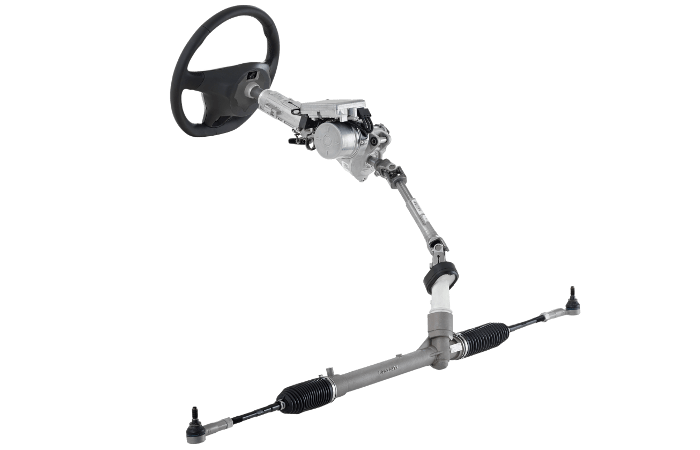
The steering column carries the driver’s input from the steering wheel toward the rack through shafts, couplings and joints. Depending on the exact vehicle, it can also include adjustment mechanisms, bearings, steering-angle sensing, locks, wiring paths and safety-related components.
A knock felt through the wheel does not automatically prove the column assembly has failed. Movement can begin at an intermediate joint, rack mounting, track rod, suspension bush or wheel component and travel into the cabin. Heavy steering can involve the assistance system or mechanical binding elsewhere. The repair decision should follow the location and cause of the fault.
Useful booking information includes whether the concern occurs while parking, turning in one direction, driving over bumps, adjusting the wheel, starting the vehicle or after battery, alignment, accident, suspension or steering work.
Keep one search intent on this URL
Where the steering column ends and broader steering diagnosis begins
This page focuses on the steering wheel connection, column assembly, adjustment, shafts, couplings, joints and related sensing or control at the column. It should not treat every steering symptom as a column repair.
Play or knock close to the wheel, failed tilt or reach adjustment, binding in the column path, movement at a shaft joint, a column lock concern or a steering-angle issue can support column-focused testing.
Heavy assistance, hydraulic leakage, rack faults, pulling, track-rod wear and steering motor or pump concerns belong to a wider steering-system diagnosis rather than a column assumption.
Bushes, ball joints, strut mounts, wheel bearings, alignment, tyre pressure and tyre condition can create noise, vibration, pull or poor return that is felt through the steering wheel.
Describe the behaviour precisely
Symptoms that can justify a steering-column inspection
Driving decision
How urgent is it?
A mild repeatable knock, adjustment concern or small change in feel with normal steering control should be inspected before it progresses.
Use caution when play is increasing, a warning remains, adjustment is stuck or the wheel feels inconsistent. Ask whether a direct workshop trip is appropriate.
Do not drive with binding, locking, severe looseness, sudden control change, visible shaft movement or any condition that prevents safe direction control.
Follow the connection from wheel to rack
Parts around the Range Rover steering column
Steering wheel mounting
The wheel must be securely connected and correctly positioned. Work near the wheel can involve electrical and safety-related components that require the correct procedure.
Column bearings and housing
Bearings and structural parts support rotation and hold the shaft in position. Wear, impact or internal damage can create play, noise or rough movement.
Tilt and reach mechanism
Manual or powered adjustment can involve locks, runners, gears, motors, switches, wiring and memory control. The exact fitted system matters.
Intermediate shaft and couplings
Joints and telescoping sections connect the column to the steering gear while allowing body and installation movement. Wear or stiffness can produce knock or binding.
Angle sensing and controls
Steering-angle information may be used by several vehicle systems. Data quality, centre position, calibration, wiring and low-voltage history should be checked together.
Column lock and ignition-related functions
Some generations integrate locking or start-authorisation functions near the column. A no-start or lock message requires vehicle-specific electrical diagnosis.
Evidence before replacement
How the workshop isolates a steering-column fault
The diagnosis follows the steering path from the wheel toward the rack, while separating mechanical play, electrical functions and faults that begin outside the column.
Record the exact pattern
Confirm speed, direction, road surface, wheel position, temperature, adjustment use, warning text, recent work and whether the concern changes with the engine running or switched off.
Exclude tyres, suspension and rack faults
Inspect tyre pressures, wheel condition, suspension play, rack movement and connected joints so a fault outside the column is not mistaken for an internal column concern.
Trace play and binding through the column path
Compare movement at the steering wheel, column housing, couplings and intermediate shaft while the system is loaded in the way that reproduces the symptom.
Review electronic functions where fitted
Check supply voltage, connectors, fault records, angle data, adjustment operation, locks and communication when the column includes electronic functions.
Define and verify the repair
Confirm the exact part or assembly, compatibility, calibration or alignment needs and the checks that will prove the original symptom has been removed.
Repair route depends on the finding
Targeted repair, shaft work or column replacement
A serviceable component is confirmed
A switch, motor, wiring connection, adjustment component, bearing area or other serviceable part may be addressed when the exact system and procedure support it. The quotation should define what is repaired and what remains original.
Movement or binding is outside the main column assembly
An intermediate shaft, coupling or joint can create knock, play or stiffness. It should be separated from rack, suspension and column-housing concerns before replacement is approved.
The assembly is damaged or unsuitable for targeted repair
Replacement requires the exact part application, safety procedure, electrical compatibility, lock or sensor considerations, centre position and any programming or calibration required by the vehicle.
Do not rotate disconnected steering components without controlling their position. Column, clock-spring, angle-sensor and rack relationships can be affected. The correct vehicle procedure should be followed.
Clarify what the repair includes
Column work can affect alignment, calibration and safety systems
| Repair area | What should be checked | Possible follow-up |
|---|---|---|
| Steering wheel or upper column | Wheel position, mounting, electrical connections, switches, rotation and any fitted safety-related component procedure | Functional check, warning check and confirmation that the wheel is centred |
| Tilt or reach mechanism | Mechanical movement, motors, switches, wiring, memory function, obstruction and limits | Adjustment verification and any vehicle-specific initialisation |
| Intermediate shaft or coupling | Play, stiffness, installation position, fasteners, clearance and movement through the steering range | Road verification and recheck under the original load condition |
| Angle sensor or electronic column function | Fault status, live angle, centre position, voltage, communication and alignment state | Calibration or configuration only when the procedure and measured values require it |
| Complete column assembly | Part compatibility, locks, wiring, connectors, shaft position, safety procedure and related modules | Programming, calibration, alignment or reference checks according to the exact vehicle |
Avoid expensive wrong turns
Steering-column problems commonly misdiagnosed
Movement at the rack or its mountings can travel up the shaft. Both ends of the steering path should be observed before the column is blamed.
Control-arm bushes, ball joints, strut mounts and wheel bearings can transmit impact into the steering wheel over bumps.
Assistance output, tyre pressure, alignment, rack friction and other joints can increase effort. Column movement must be isolated.
Low voltage, alignment, centre position, wiring and other module data can create an angle-related fault without proving sensor failure.
Switches, motors, wiring, memory control, obstructions and mechanical runners can require different repair scopes.
Some joints show movement only when the suspension and steering are loaded. The test condition should match the owner’s complaint.
An accurate quote needs a defined fault
What affects Range Rover steering-column repair cost
Price depends on the exact generation, column design, confirmed component, access, shaft or coupling condition, powered adjustment, locks, switches, angle sensing, programming, calibration, alignment and the part status offered. A generic column price can be misleading when the actual fault is a joint, switch, rack mount or suspension component.
- VIN, model year and fitted column system
- Exact location of play, noise or binding
- Manual or powered adjustment equipment
- Electrical, lock or angle-sensor findings
- Column assembly, intermediate shaft or targeted component scope
- New, remanufactured, repaired or used part status
- Programming, calibration and alignment requirements
- Verification and warranty terms for the exact work
Vehicle details matter
Steering columns vary across Range Rover generations
Range Rover, Range Rover Sport, Evoque, Velar and Land Rover models use different column designs, adjustment systems, electronic platforms, steering assistance layouts and safety components. Older vehicles and newer electrically assisted platforms can require different diagnostic and installation procedures.
Use the VIN and fitted equipment before ordering a column, shaft, coupling, switch, motor, lock or angle-related component. A part that looks similar may not share the same connectors, control functions or software requirements.
Do not apply another model’s calibration or installation instructions. Centre position, fastener procedures, safety precautions and programming requirements can differ.
Steering-column questions
Frequently asked questions
Does a knock in the steering wheel mean the column has failed?
No. The noise can come from a column bearing, adjustment mechanism, intermediate shaft, coupling, rack mount, suspension component or wheel area. The point of movement should be located before replacement.
Can I drive with steering-column play?
Small play still needs inspection. Stop and request recovery guidance when play is excessive or increasing, the wheel binds, a shaft appears loose or steering control changes unpredictably.
Can a steering-angle fault require column replacement?
Not automatically. Voltage, wiring, centre position, alignment, calibration and other control data should be checked. Replacement depends on the exact design and confirmed fault.
Will steering-column repair require wheel alignment?
Not every column repair changes wheel geometry. Alignment or centre-position checks can apply when connected steering or suspension components are disturbed or measurements show a need.
How much does Range Rover steering-column repair cost in Dubai?
Price depends on the vehicle, confirmed part, access, adjustment system, locks, sensors, shaft condition, part status, programming and calibration. Inspection is required for an accurate scope.
What should I send before booking?
Send the model, year, VIN or registration, warning photo, video or description of the noise, when it occurs, whether adjustment works and any recent steering, suspension, battery or accident work.
Book steering-column diagnosis in Dubai
Locate the play, knock or binding before replacing the column
Send the model, year, warning, symptom pattern and recent steering or suspension history. We will advise whether the next step is a column-focused inspection or broader steering diagnosis.