

Routine service due
We check the vehicle identity, service record and dashboard information before confirming the engine oil and filter scope.
A correct Range Rover Sport oil change starts with the exact generation, engine, model year and market specification. We confirm the required lubricant specification, oil quantity, filter and service procedure before carrying out the work.
Range Rover Sport models have used different petrol, diesel, mild-hybrid and plug-in hybrid powertrains across several generations. A viscosity printed on a bottle is not enough to approve it for every engine. The workshop must match the lubricant specification and service parts to the exact vehicle.
If your dashboard shows that routine service is due, an oil and filter service may be the correct next step. If it shows low oil pressure, if the engine is noisy, if oil is leaking, or if the level falls repeatedly, the vehicle may need diagnosis in addition to maintenance. Fresh oil should never be used to hide an unresolved fault.
We check the vehicle identity, service record and dashboard information before confirming the engine oil and filter scope.
The level must be checked using the correct vehicle procedure. Repeated loss can require a leak or consumption assessment.
This is not an ordinary booking reminder. Stop safely and ask for advice before continuing to drive.
The Range Rover Sport name covers vehicles with different chassis generations, engines, electronic systems and service requirements. Earlier vehicles, later L494 models and current-generation vehicles cannot be treated as one mechanical specification.
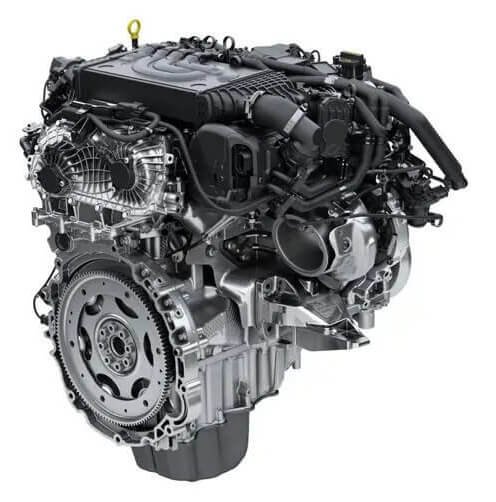
Engine family matters because it can change the required lubricant approval, fill quantity, filter, seals, access method and oil-level verification procedure. The presence of diesel emissions equipment, hybrid hardware or previous engine work may also affect the checks that are sensible before service.
We therefore request the VIN or registration details rather than asking the owner to select an oil from a generic chart. The VIN helps identify the build specification, but it is still sensible to compare that information with the engine fitted, previous invoices and any recorded modifications.

We record the VIN, model year, engine, market specification and any useful previous service information.
The service reminder, maintenance record, mileage and time since the last verified service are reviewed together. One universal interval is not applied to every Range Rover Sport.
The correct manufacturer specification is more precise than viscosity alone. Filter, seal and drain-plug requirements are selected for the identified engine.
Visible leaks, damaged undertrays, oil around service points and evidence of an incorrect previous repair are noted before the old oil is removed.
The engine is refilled to the confirmed quantity and the level is checked through the appropriate procedure. The service indicator is reset only after the work is complete and due items have been addressed.
The approved scope is confirmed before work begins. An engine oil service is not automatically a gearbox, transfer case or differential-fluid service.
Oil is drained or extracted using a method suitable for the identified engine and workshop procedure, then replaced with lubricant meeting the required specification.
The filter and relevant seals are replaced with parts matched to the vehicle. Reusing a damaged seal or fitting the wrong filter can compromise the service.
Service points are checked after refill. The displayed or measured level is verified under the conditions required by that vehicle.
The dashboard reminder can be reset where appropriate. A reset is not used to pretend that other due maintenance has been completed.
Send the VIN, model year, current mileage, dashboard message and the date or mileage of the last known oil service. Mention any leakage, top-ups, warning lights or unusual engine noise. This allows the workshop to separate routine maintenance from diagnosis before quoting.
A Range Rover Sport can belong to an earlier first generation, the later L494 generation, or the current model family. Within those groups, the vehicle may have a petrol, diesel or electrified powertrain. The badges on the tailgate do not always provide enough information to select service parts, especially when a vehicle was imported or its engine has previously been replaced.
Generation affects workshop access as well as parts selection. Undertray design, filter position, engine covers and the method used to display or measure the oil level can differ. A procedure copied from another Sport may therefore produce an incorrect level reading or leave the wrong service reminder active.
Engine differences also matter after the service. Some vehicles need a defined warm-up or waiting period before the electronic level display becomes available. Others may provide a physical checking method. The correct procedure is taken from the vehicle information for that application rather than from a general internet video.
| Identification point | Why the workshop checks it | What the owner can provide |
|---|---|---|
| Generation and model year | Helps identify the engine family, service system and access arrangement. | Registration card, VIN and clear vehicle photos if requested. |
| Engine and fuel type | Controls the required lubricant approval, quantity, filter and related checks. | VIN, previous invoice or engine information shown in the vehicle record. |
| Market specification | An imported vehicle may not match assumptions based only on the Dubai registration year. | Original market information or previous dealer and workshop records. |
| Previous repairs | An engine replacement, modified sump or repaired filter housing can change what is found during service. | Invoices, photos and a clear explanation of previous work. |
The price should follow the confirmed service scope. It changes with the exact lubricant specification and quantity, filter and sealing parts, access requirements, and whether the vehicle arrives with a separate fault that needs testing. A low advertised price that does not identify the engine may exclude required oil quantity, the correct filter, sealing parts or post-service verification.
Existing leakage can also change the decision. A routine oil service can still be carried out when appropriate, but cleaning, inspection or diagnosis should be quoted separately and approved before additional work begins. The same applies when a damaged drain point, seized fastener, broken undertray fitting or previous incorrect repair is discovered.
The workshop should explain what is included before starting. Ask which lubricant specification will be used, whether the filter and seals are included, how the level will be confirmed and whether any dashboard reset is part of the agreed work. A useful quotation distinguishes known service items from findings that can only be priced after inspection.
We do not publish a single fixed price for every Range Rover Sport because the engines and required quantities differ. Sending accurate vehicle details helps avoid a misleading estimate and unnecessary changes after arrival.
After the work, the owner should be able to understand what was used and what was checked. The invoice should identify the engine oil and filter clearly enough to support future maintenance decisions. Any additional finding should be separated from the routine service rather than hidden inside a vague package description.
A sensible handover includes confirmation that the service points were checked for leakage, the final oil level was verified and the dashboard reminder was handled correctly where applicable. If the level display was temporarily unavailable because its checking conditions were not met, that limitation should be explained rather than guessed.
Keep the invoice with the vehicle history. It helps the next technician confirm when the service occurred and which products were used. A dashboard reset alone is not a complete maintenance record.
These messages do not mean the same thing. Correctly identifying the warning protects the engine and prevents an oil change from being sold as the answer to a different problem.
| What the owner sees | What it may mean | Sensible next step |
|---|---|---|
| Routine maintenance or service-due message | Scheduled maintenance may be due based on the vehicle’s recorded service logic. | Review the history and confirm the correct service scope. |
| Low engine oil level | The measured or calculated level may be below the expected range. Leakage, consumption or an incorrect previous fill may be involved. | Follow the handbook checking conditions and investigate repeated loss. |
| Oil pressure warning | The lubrication system may not be maintaining safe pressure. The message does not identify the failed part. | Stop safely, switch off when appropriate and contact the workshop or recovery provider. |
| Oil leak or burning smell | Oil may be escaping onto the engine, undertray or a hot surface. | Arrange inspection. Do not assume a refill alone resolves the cause. |
| Rattle, knock or abnormal engine noise | Several mechanical or lubrication faults are possible. | Avoid driving if the noise is severe or accompanied by a pressure warning. Request diagnosis. |
An oil pressure warning is not a reminder to book a convenient oil change later. Continuing to run an engine without adequate lubrication can cause serious damage. The safest action depends on the exact warning and vehicle behaviour.
Two oils can display the same viscosity grade and still meet different performance standards. The required manufacturer specification controls factors such as protection, deposit control and compatibility with the engine and its emissions systems.
That is why this page does not publish one oil grade for every Sport. The correct choice is checked against the identified vehicle and reliable technical data. Owners can also use the vehicle handbook and an established lubricant selector as supporting references, but the exact application must match.
Using a thicker oil because an engine has high mileage is not an automatic repair for consumption or leakage. An older vehicle may need a different inspection strategy, but any change from its required specification should be based on evidence and approved technical guidance.
Invoices, labels and dashboard records can reveal when the work was performed, but they do not always prove that the correct specification and quantity were used.
Oil around the filter housing, drain point, engine covers or undertray is documented and traced where possible. Cleaning may be needed before a source can be confirmed.
Electronic level displays can require specific temperature, parking and waiting conditions. The procedure must suit the generation and engine.
The technician checks for leakage and verifies the level after refill. Any warning or abnormal noise is treated as a separate finding, not cleared without explanation.
Routine maintenance can protect an engine, but it cannot repair a mechanical fault. If a Range Rover Sport repeatedly needs top-ups, leaves oil on the floor, produces blue smoke, displays a pressure warning or develops abnormal noise, the correct path is inspection and diagnosis.
Oil found beneath a vehicle may travel across covers and undertrays before it drips, so the visible spot does not always reveal the source. Dye, cleaning, controlled running or further access may be required. Our separate Range Rover oil leak service page explains how leakage should be investigated.
Likewise, engine oil service should not be confused with automatic gearbox fluid, transfer case oil or differential oil. These systems use their own specifications, fill procedures and maintenance decisions. They should appear as separately approved work on a quotation.
Heat, long periods of idling, frequent short journeys, towing and off-road use can change how a vehicle is used. They do not create one universal Dubai interval for every Range Rover Sport.
The useful approach is to compare the actual use with the vehicle’s approved maintenance information. Service history, dashboard status, mileage, time, operating conditions and current engine condition should be considered together.
If the history is missing after purchasing a used Sport, the workshop can inspect the vehicle and agree a sensible maintenance baseline. It should not claim that every fluid and component must be replaced without evidence.

There is no safe model-wide answer. Check the handbook and service information for the exact model year and engine, then consider the recorded history and how the vehicle is used.
A preliminary estimate may be possible, but an accurate scope needs the VIN or registration details because oil quantity, specification, filter and access can differ.
No. Oil colour can change during normal use, especially in some engines. Due status should be judged from verified service information and vehicle-specific evidence rather than colour alone.
It may not. Noise can have several causes. A pressure warning, knock or persistent rattle requires diagnosis rather than an assumption that an oil change will repair it.
The reminder can be reset where applicable after the confirmed work is completed. Resetting it without performing the due maintenance would create a misleading service record.
Not always. A minor or scheduled service may include additional inspections and replacement items. The exact scope should be agreed from the vehicle’s due requirements.
For a Range Rover Sport oil-change quotation in Dubai, send the VIN, model year, mileage, last known service information and a photo of any dashboard message. Tell us if the vehicle is leaking oil, using oil between services or making an unusual noise.