

Third-generation Range Rover Sport · 2023 onward · Dubai
Range Rover Sport L461 Repair and Service Dubai
Configuration-aware service for a software-connected generation, with the exact powertrain, fitted systems, update status and warning evidence established before repair decisions are made.
One warning can cross several systems
Four evidence layers guide the diagnosis
These cards are a map for the sections below. A reliable L461 repair decision combines the vehicle’s exact identity, its software and communication state, physical workshop evidence and the conditions in which the symptom appears.
Vehicle identity
VIN, build details, engine, market specification and fitted options.
Software state
Update history, module communication, warnings and recent configuration changes.
Physical evidence
Fluids, leaks, tyres, brakes, connectors, impact evidence and measurable behaviour.
Use conditions
Cold or hot, charging state, road speed, load, terrain and symptom timing.
A modern warning needs context
Do not separate software evidence from mechanical inspection
The L461 introduced a new generation of Range Rover Sport with highly integrated vehicle control and a range of powertrain and chassis configurations. The owner may see a message on the driver display, notice a change in ride or performance, or experience a connected feature problem. The visible message is only the start of diagnosis.
If the vehicle is the preceding generation, use the Range Rover Sport L494 repair guide so the model-year, powertrain, infotainment and chassis checks match the correct platform.
A responsible assessment checks whether the symptom is current, repeatable and related to a recent update, battery event, repair, tyre change or charging condition. It then compares network information with physical inspection. Software cannot fix a leaking component, worn tyre or damaged wire. Mechanical replacement cannot correct an unverified configuration issue. Both sides must agree.
Dubai heat and traffic can make temperature and low-speed operation especially relevant, but local conditions do not prove a cause. They help define the operating test. Owners should note whether the concern appears after heat soak, during a long idle, immediately after start-up, during charging, under acceleration or after the vehicle has been parked.

Four routes from one intake
The first distinction prevents the wrong repair path
Warning with normal driving behaviour
Capture the message, scan status and triggering condition. Confirm voltage and communication before deciding whether a module, sensor, software state or historic event is involved.
Warning with changed ride or steering
Treat the physical change as important. Inspect tyres, suspension height, steering and braking evidence, then compare those findings with chassis data.
Warning with reduced power or temperature change
Limit driving until severity is understood. Cooling, engine, boost, energy-management and protective-control evidence may need to be read together.
Feature problem after an update or repair
Check what changed, whether configuration and calibration are complete and whether the concern is limited to one feature or part of a wider communication fault.
Software is part of the service record
Updates can matter without becoming the default explanation
Land Rover supports software updates on current vehicles and notes that improvements can differ by build year, specification and factory-fitted options. That makes update status a legitimate diagnostic entity. It does not mean every warning needs an update or that an update replaces testing.
The workshop should record the current complaint before changing the software state. If a concern began immediately after an update, battery interruption or module replacement, that sequence matters. If a physical leak, noise or vibration is present, it must still be inspected directly.
Post-repair verification should confirm that the target feature works and that no related warning, calibration request or communication fault remains.
Powertrain-aware assessment
Petrol, performance and plug-in hybrid vehicles do not share one checklist
The L461 range includes different powertrain applications depending on market and model year. Diagnosis should follow the actual vehicle. The sections below explain the scope without assuming a universal specification.
Combustion-engine evidence
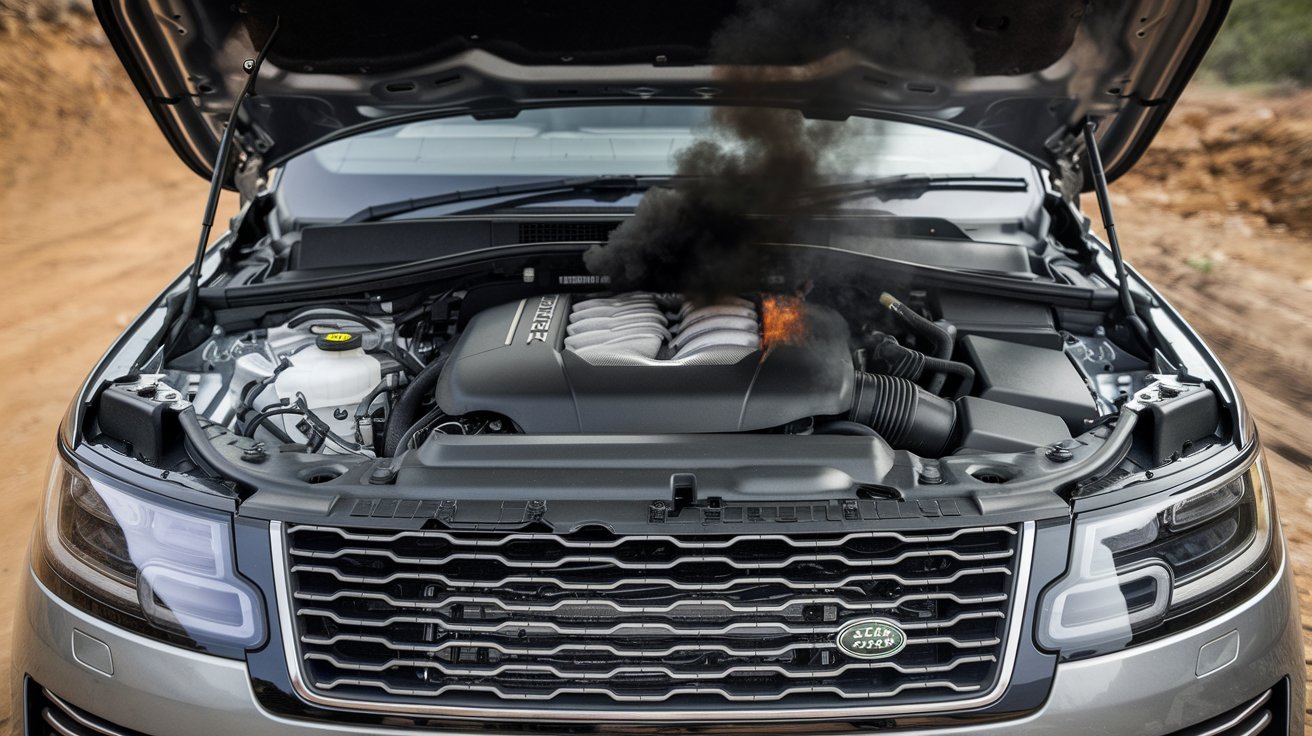
Starting, idle quality, temperature, fluid condition, boost or airflow data where relevant, exhaust behaviour and load-related symptoms should be assessed as one operating pattern. A reduced-performance message can be protective and does not name the failed part.
Heat-related complaints need comparison between cold and fully warm operation. Fluid loss, smoke, fuel smell, overheating or a rapidly worsening mechanical noise requires immediate caution.
Plug-in hybrid evidence where fitted
Record traction-battery charge state, charging behaviour, EV availability, warning wording and whether the concern appears during charging, electric running, engine start or transition between modes. High-voltage systems require appropriate procedures and should not be treated as normal owner-DIY areas.
A charging problem can involve the supply, cable, inlet, control state or vehicle system. The diagnosis should separate external conditions from vehicle-side evidence before parts are approved.
12-volt electrical foundation
Modern modules still depend on stable low-voltage power. Battery condition, charging behaviour, grounds and recent battery work can influence warnings and communication. A battery finding should be measured, not guessed from age alone.
Cooling as a shared priority
Different systems may use separate thermal-management paths. Visual inspection, fluid condition, leak evidence, temperature data and vehicle-specific procedures help determine whether a concern is local or connected to a wider heat-management issue.
Choose the next action by behaviour
Three owner decisions after an L461 warning
Record and monitor
Suitable only when the message clears, the vehicle behaves normally and no safety, fluid, temperature, charging or performance concern is present. Photograph the warning and arrange assessment if it repeats.
Book prompt diagnosis
Use this route for persistent non-critical warnings, intermittent feature loss, mild vibration, changed comfort, camera or infotainment concerns, or repeated messages with otherwise stable driving.
Stop and recover
Do not continue with overheating, smoke, strong fuel odour, major fluid loss, brake or steering change, rapidly falling suspension, high-voltage safety warning, severe vibration or escalating mechanical noise.
Chassis and road evidence
A modern Sport still needs tyres, brakes and suspension checked physically
Electronic control does not remove the need to inspect the contact points. Tyre pressure, construction, wear pattern and wheel condition influence ride, steering, braking and driver-assistance behaviour. Recent tyre or wheel work is part of the symptom history.
When a ride-height or suspension concern is central, diagnosis may include static height, change after parking, commanded height movement, sensor plausibility, visible leaks and compressor or valve evidence. The correct route may connect naturally with detailed Range Rover air-suspension diagnosis, but only when the evidence supports that system.
Brake vibration should be separated from steady-speed vibration and road-surface feedback. Steering-centre concerns should be distinguished from pulling under braking. Impact history, alignment evidence, bushes, joints, bearings and damping components can overlap, so replacing one visible part without inspecting the full corner can leave the symptom unresolved.
Driver-assistance messages also need clean sensors and cameras, correct wheel and tyre information, stable voltage and any required calibration after relevant repairs. The presence of a camera-related warning does not prove that the camera itself has failed.

No blank cheque
Separate warranty-aware evidence from speculative work
Newer vehicles may still have manufacturer, dealer or third-party coverage depending on their individual history and terms. The owner should preserve warning photos, diagnostic findings, invoices and service records before approving major work. Coverage must be confirmed with the relevant provider and should never be assumed.
A clear workshop report can identify the symptom, evidence and proposed next step without overstating a conclusion. If a fault is configuration-related, the report should say so. If physical damage, wear or an external influence is found, that distinction should also be recorded.
Modifications and retrofits can change the assessment. Wiring additions, wheel changes, accessories, body work and coding history should be disclosed because they may affect communication, calibration, load or compatibility. This is not a judgment on the modification. It is necessary diagnostic context.
Proof after service
The handover should close the original complaint, not only clear the screen
Reproduce the triggering condition
Where safe and practical, repeat the relevant cold start, heat soak, road speed, height change, charging state or feature command.
Confirm related systems
Check that communication, calibrations and dependent features remain normal after the repair or update.
Record what changed
Document parts, software state, measurements, tests and any remaining advisory. Distinguish confirmed cause from secondary codes.
Define follow-up
If the symptom was intermittent or not reproduced, give the owner a precise observation plan rather than an unsupported all-clear.
Connected feature triage
One screen symptom can have several boundaries
When navigation, audio, cameras, phone connection, remote features or a driver display behaves unexpectedly, first define whether the fault affects one function, one user profile, one device or the whole vehicle interface. That boundary can prevent an unnecessary hardware conclusion.
Record the screen message, time, vehicle state and whether the feature returns after a normal restart. Check approved owner settings and paired-device behaviour only where relevant. Then review module communication, voltage, software state, configuration and physical connections. An intermittent camera image after body work has a different evidence path from a phone that will not pair.
Remote or connected services may also depend on account, subscription, mobile coverage or provider-side status. Those external dependencies should be separated from an in-vehicle fault. The workshop should avoid promising control over third-party availability.
If a screen is needed for a safety-related camera or vehicle control and the feature remains unavailable, arrange prompt diagnosis and use the vehicle only in a manner consistent with its safe operation and local requirements.
Energy state changes the test
Charging complaints need the supply and vehicle separated
For a plug-in hybrid L461 where fitted, a failed charging attempt can originate outside or inside the vehicle. Record the charger type, cable, indicator state, charge level, scheduled-charging settings, warning text and whether another known-compatible supply behaves differently. Do not open, probe or repair high-voltage components as an owner check.
The workshop can then distinguish external supply conditions, inlet or locking behaviour, low-voltage support, thermal limits, communication and vehicle-side faults. A single failed public charger is not enough to condemn the car. Repeated failure across appropriate supplies creates stronger vehicle-side evidence.
Electric-only availability can change with charge level, temperature, demand and system status. The relevant question is whether the behaviour matches the vehicle’s displayed state and official operating information, or whether a warning and repeatable abnormal condition are present.
After repair, verify safe connection, charge initiation, status indication and the original failure condition where practical. Record any software change and advise the owner of observations that remain dependent on an external charger or network.
Modern chassis, physical contact patch
Tyres and brakes remain the foundation of every electronic intervention
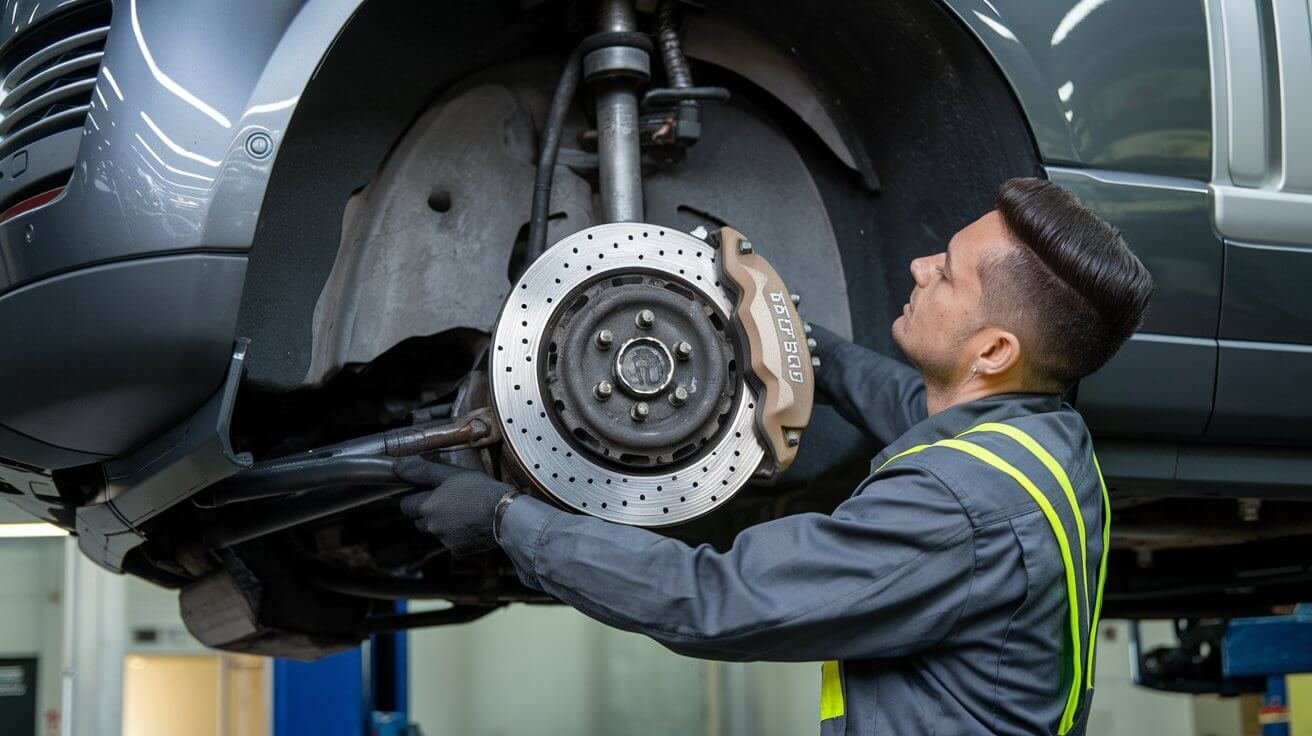
Wheel-speed data, stability control, suspension response and driver assistance all depend on predictable contact with the road. Check tyre size, construction, pressure, damage and wear pattern across the axle. Mixed or unsuitable tyres can create behaviour that software cannot correct.
A steering vibration should be mapped by speed and braking input. A pull should be checked under steady driving and braking. Brake noise, pedal feel and visible condition need inspection at the wheel, while warning status and electronic parking-brake behaviour add system evidence. Recent wheel removal, tyre installation or impact history belongs in the intake.
After tyre, wheel, steering, suspension or relevant body work, confirm whether alignment, sensor setup or driver-assistance calibration applies to the exact configuration. Do not add a calibration merely as a generic line item, and do not omit one when the documented procedure requires it.
The handover should state pressures set, visible wear, measured findings and whether a road test confirmed steering, braking and ride behaviour. A reset screen alone is not proof that the underlying contact-patch problem has been resolved.
Build a digital trail
The strongest L461 service record connects four kinds of evidence
Owner evidence
Warning photos, short videos, dates, charge state, road condition and a concise description of what changed.
Vehicle evidence
Current and historic fault status, module communication, relevant live values, configuration and update state.
Physical evidence
Measurements, leak or impact findings, tyre and brake condition, connector inspection and parts identification.
Completion evidence
Work performed, software or calibration action, post-repair scan, road or charging verification and remaining advisories.
This record is especially valuable when a concern is intermittent or when warranty, insurance, a previous repairer or a future workshop may need to understand the sequence. It reduces repeated assumptions and makes the next decision easier to audit.
Questions from L461 owners
Range Rover Sport L461 service FAQs
Does a dashboard message always identify the failed part?
No. It identifies a detected condition. Configuration, voltage, communication, sensors, wiring, physical components and software state may need to be checked before selecting a repair.
Should software be updated before diagnosis?
Not automatically. Record the complaint and current state first. Updates can be relevant, but physical faults and compatibility questions still require evidence.
Can a 12-volt battery affect a modern L461?
Stable low-voltage power remains important for module communication. Battery and charging health should be measured when the warning pattern suggests it.
What information should I send before booking?
Send the VIN or model year, powertrain, warning photo, symptom conditions, recent work and whether the vehicle can be driven safely.
Is plug-in hybrid diagnosis the same as petrol diagnosis?
No. Charging state, EV availability, transition behaviour and high-voltage safety add a different evidence path. Vehicle-specific procedures are essential.
Why does my L461 show several warnings at the same time?
Several systems can react to the same low-voltage event, communication interruption, implausible sensor value or physical fault. Record the exact warning sequence and any change in steering, braking, ride height, temperature or performance. The vehicle should then be scanned and physically checked before assuming that every warning needs a separate part.
Book configuration-aware L461 service in Dubai
Share the exact warning, powertrain, operating condition and recent update or repair history. The assessment can then combine software status, network evidence and physical inspection in the correct order.