

Land Rover Repair in Dubai
Choose the correct path for your Defender, Discovery, Freelander, LR2, LR3 or LR4. We begin with the exact vehicle and the symptom, then use inspection and testing to define the repair.
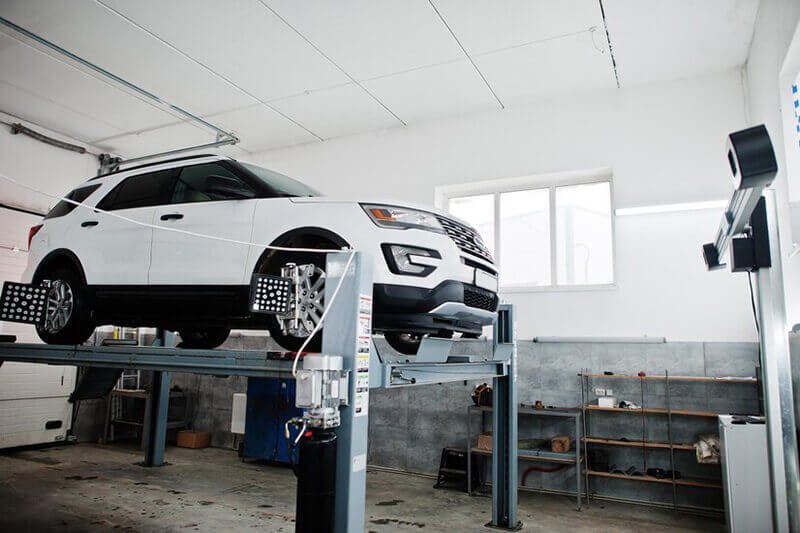
Start with the exact Land Rover, not the badge alone
Land Rover vehicles from different generations can use different engines, gearboxes, suspension layouts, electrical systems and software. Even familiar model names vary by year and market. LR2 is also known as Freelander 2 in some markets, while LR4 is also known as Discovery 4.
That is why a useful repair enquiry includes the model, year, engine if known, VIN, dashboard message and a clear description of what the vehicle is doing. A fault code or a photo may guide the first conversation, but neither proves which part has failed.
This page helps Land Rover owners select a model path, understand when a symptom may be urgent and prepare for diagnosis. Routine Range Rover maintenance has a separate home on our service and maintenance page.
Find your Land Rover model
Use the model page that matches the vehicle. It can provide more relevant guidance than applying one broad repair list to every Land Rover.
Defender
For Defender owners with warning messages, drivability changes, leaks, suspension concerns or mechanical noise. Confirm the generation and powertrain before applying technical advice.

Discovery
For Discovery vehicles across different generations. The exact year helps separate older mechanical and electrical layouts from later systems and driver-assistance equipment.
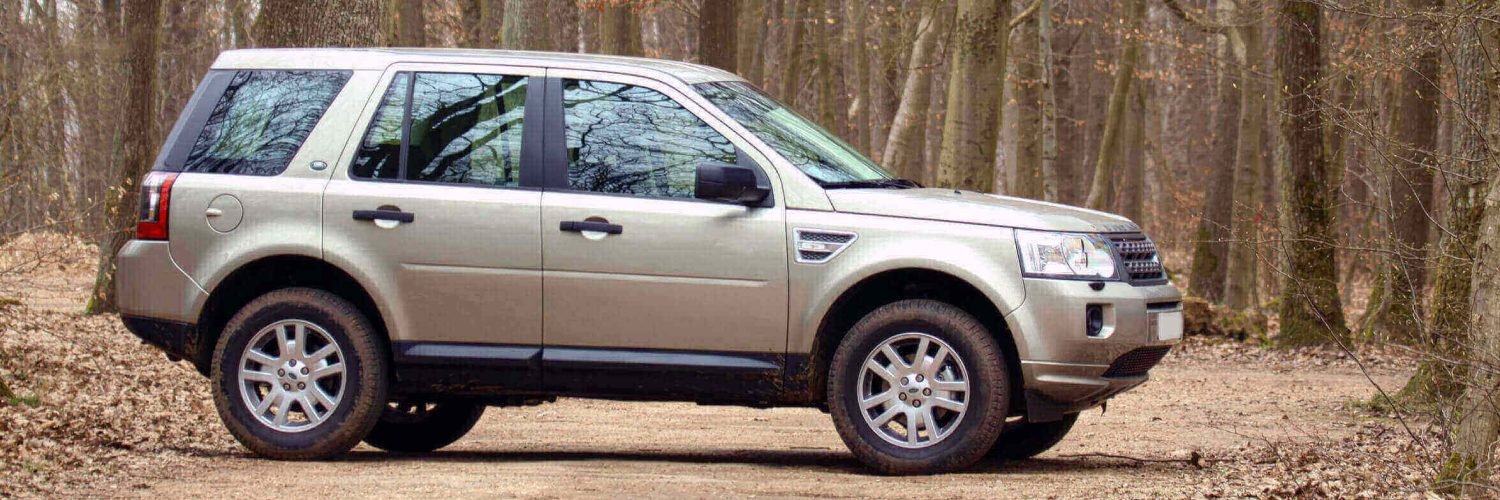
Freelander
For Freelander owners who need model-specific repair guidance. Naming and specification can differ by market, so the VIN and year remain important.

LR2 / Freelander 2
LR2 and Freelander 2 names can refer to the same model family in different markets. Confirm the engine, year and market specification before parts or procedures are selected.
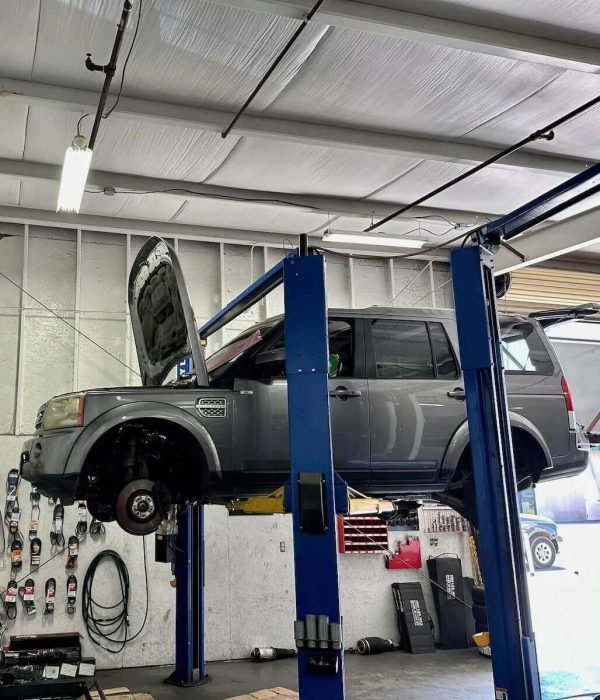
LR3 / Discovery 3
For LR3 and Discovery 3 concerns involving warning lights, height changes, cooling, driveline behaviour, electrical faults or general mechanical diagnosis.
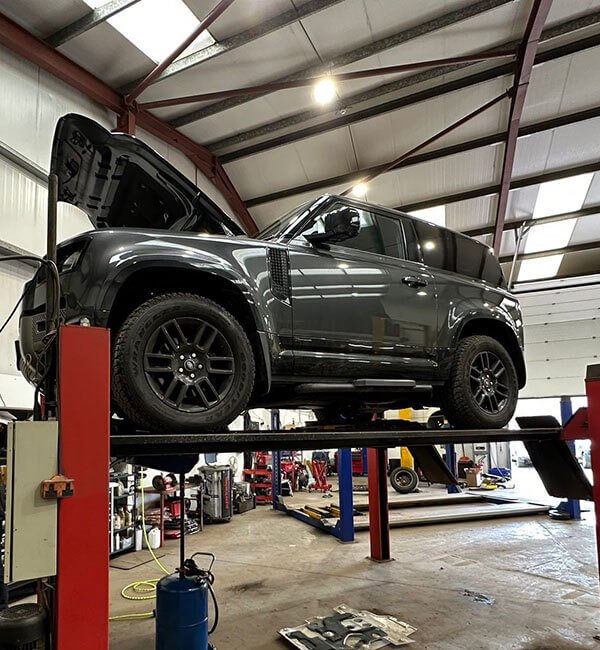
LR4 / Discovery 4
For LR4 and Discovery 4 diagnosis, including engine, cooling, air suspension, gearbox, driveline and electrical concerns where testing must guide the repair decision.
A warning sign is the beginning of diagnosis
A warning light, noise, leak, vibration or change in ride height tells the workshop where to begin. It does not identify the failed part by itself. Several systems can create a similar complaint, and low voltage or a recent repair can sometimes produce warnings that appear unrelated.
A diagnostic trouble code records what a control module detected. The code needs to be considered with the owner’s complaint, vehicle history, relevant live data or measurements and a physical inspection. Replacing the component named in a code description without testing the circuit can lead to unnecessary cost.
Do not continue driving when risk is unclear
Switch off and ask about safe recovery if you see an oil-pressure warning, severe overheating, smoke, heavy fluid loss, a strong burning smell, serious braking or steering difficulty, major suspension collapse or harsh mechanical noise. If you are unsure, describe the warning and vehicle behaviour before moving the car.
How the first repair decision should develop
- Identify the vehicleConfirm the model, model year, engine, VIN and market specification.
- Record the complaintNote the exact dashboard message, noise, leak, vibration or change in behaviour and when it occurs.
- Judge urgencyDecide whether the vehicle can be driven for inspection, should be driven cautiously or needs recovery.
- Test the relevant systemUse scanning, inspection, electrical measurements, pressure testing or mechanical checks as the complaint requires.
- Define the scopeSeparate the confirmed fault from related wear, secondary damage and optional preventive work.
- Verify the outcomeRecheck the original complaint and complete the relevant scan, leak, functional or road checks after repair.
Match the symptom to the next useful check
This table is an inspection guide, not a remote diagnosis. The exact tests depend on the model, year, system and evidence found on the vehicle.
| What the owner notices | Systems that may be involved | A sensible next check |
|---|---|---|
| Engine warning, rough running or reduced power | Power supply, air and fuel control, ignition or combustion, sensors, wiring, software or a mechanical condition | Confirm the complaint, complete an all-module scan where appropriate, review relevant data and inspect or test the system indicated by the evidence. |
| Coolant smell, leak or rising temperature | Hoses, radiator, expansion tank, pump, thermostat, fan control or an internal engine concern | Allow the vehicle to cool safely, inspect for leakage and test pressure, circulation and fan operation as applicable. Do not open a hot cooling system. |
| Vehicle leaning or slow to change height | Air leak, compressor performance, valve control, height information, wiring or mechanical suspension wear | Record the parked height and warning, scan the suspension system, inspect for leaks and evaluate compressor and sensor information before replacing parts. |
| Harsh shift, delayed engagement or driveline vibration | Engine operation, voltage, mounts, gearbox control, fluid leakage, transfer case, shafts, joints or differentials | Road-test only when safe, scan related modules, inspect for leaks and mechanical play, then test the area supported by the symptom. |
| Several warnings appearing together | Battery condition, charging, grounds, communication network, wiring, water entry or more than one genuine fault | Check battery and charging health, connections and network faults before assuming several independent components failed at once. |
| Grinding, pulling, soft brake pedal or steering difficulty | Brake friction parts, hydraulics, electronic controls, tyres, wheel-speed information, steering or suspension components | Treat braking and steering changes as safety concerns. Inspect the mechanical, hydraulic and electronic systems before further normal driving. |
| Weak cooling or uneven cabin temperature | Refrigerant leak, compressor control, airflow, blend control, sensors, electrical supply or cabin filter condition | Check system operation and pressures where suitable, inspect for leakage and test the relevant airflow or temperature controls. A recharge alone does not explain refrigerant loss. |
Repair, rebuild or replace
The correct option depends on the confirmed fault, condition of the full assembly, secondary damage, serviceability, parts availability and whether the finished work can be tested reliably. The most expensive option is not automatically necessary, and the cheapest visible fix may not address the cause.
Repair
A local repair may suit a confirmed leak, damaged connector, wiring section, hose, mounting item or replaceable subcomponent when the remaining assembly is serviceable and the result can be checked.
Rebuild
A rebuild may be considered when the assembly can be disassembled in a controlled way, wear and damage can be measured, required internal parts and technical information are available, and the completed unit can be verified.
Replacement
Replacement may be appropriate when damage is extensive, structural, outside a reliable repair limit or affected by previous work that has compromised the assembly.
What should be clear before approval
A responsible quotation follows vehicle identification and diagnosis. Cost can change with the exact model, confirmed fault, labour scope, parts choice, fluids, programming, calibration, related damage and current availability.
- What has been confirmed
- What still needs testing
- Which work is necessary
- Which work is optional
- What related damage was found
- Which parts options apply
- Whether programming is required
- Whether calibration is required
- How the repair will be checked
- What remains outside the scope
Maintenance must match the vehicle
One mileage schedule cannot accurately represent every Defender, Discovery, Freelander, LR2, LR3 and LR4. Maintenance can vary by model year, engine, drivetrain, market, VIN, dashboard information, previous history, condition and use.
For supported vehicles, Land Rover provides a VIN-based Online Service History. When records are incomplete, the practical step is to establish what can be verified, inspect condition where appropriate and prioritise safety, active faults and confirmed maintenance needs.
Dubai heat, dust, traffic, short journeys, towing and off-road use can change the condition found at inspection. These conditions do not justify inventing a universal shorter interval. They justify checking the exact vehicle and its history carefully.
Bring useful evidence
- VIN and registration details
- Model, year and engine if known
- Current odometer reading
- Previous invoices or service record
- The exact dashboard message
- When the symptom began
- Whether it is constant or intermittent
- Any recent battery, tyre or repair work
Photos can document a visible leak, warning message or ride-height difference. They should be taken only when safe and should not be treated as confirmation of an internal failure.
What useful diagnosis should show you
A diagnostic charge should buy information that improves the repair decision. The useful outcome is not simply a printed list of stored codes. It is a clear connection between the owner’s complaint, the condition found on the vehicle and the test result that supports the recommended work.
The evidence needed changes with the problem. An electrical concern may require voltage-drop or continuity measurements. An air-suspension concern may need height observations, leak checks and compressor data. An overheating complaint may require pressure testing, temperature data and checks of circulation or fan operation. Mechanical noise may need a controlled inspection that separates the source from noise travelling through connected components.
Not every diagnosis produces one immediate answer. Intermittent faults may need reproduction under known conditions, data recording or a staged repair when one confirmed fault prevents further testing. When that happens, the limitation should be explained before additional work is approved.
How repair quality should be checked
Verification should return to the original complaint. Clearing a warning without confirming why it appeared is not the same as completing a repair. The relevant check may include a rescan, leak inspection, measured operating value, functional test, adaptation or calibration, and a road test when the vehicle is safe and the repair requires one.
Before collecting the vehicle, ask for clarity on:
- The original symptom and confirmed finding
- The work completed and parts fitted
- Any related wear that was found but not included
- Programming, coding or calibration performed
- The test used to verify the repair
- Warnings or faults that remain and why
- Immediate restrictions or aftercare, if applicable
If the repair involves steering geometry, cameras, radar, suspension height or another system that can affect driver-assistance operation, ask whether calibration applies to the exact equipment on the vehicle. Do not assume every model has the same sensors or procedure.
Keep the invoice, diagnostic findings and relevant service record with the vehicle history. This gives the next technician a clearer starting point if a separate or intermittent issue appears later.
Questions Land Rover owners ask before inspection
Can a fault code tell me which part to replace?
No. A code identifies a condition detected by a control module. Inspection, circuit checks, live data or mechanical testing may be needed before a failed part can be confirmed.
Can I drive with a suspension warning?
It depends on the vehicle’s height, handling, tyre clearance, warning severity and the cause. Do not continue if the vehicle has collapsed, is unstable or a tyre may contact the body. Ask for guidance based on the exact warning and condition.
Does an overheating warning always mean the thermostat failed?
No. Leaks, circulation, fan operation, temperature sensing and internal engine conditions can all be relevant. Stop safely and allow the vehicle to cool. Diagnosis should identify the cause before parts are selected.
Why did several dashboard warnings appear at once?
Several genuine faults are possible, but battery voltage, charging, grounds, communication or water entry can also affect multiple systems. Power supply and an all-module scan are sensible early checks.
Is LR4 the same as Discovery 4?
LR4 is the name used for Discovery 4 in certain markets. Year, engine and market specification still need confirmation before technical or parts information is applied.
Can you quote from a warning-light photo?
A photo helps record the message, but it cannot confirm the failed component or full repair scope. A quotation should follow vehicle identification and the level of inspection needed to establish the fault.
Send the model and the symptom
Tell us which Land Rover you have, the model year, the exact warning or behaviour and whether the vehicle still feels safe to drive. We can then advise whether the next step should be an inspection or safe recovery.