

BMW-Era L322 Engine Problems
The early L322 can have a BMW-sourced 4.4 petrol V8 or 3.0 TD6 diesel. They do not share one diagnostic path. Confirm the engine first, then use its temperature, sound, fluid, fuelling and service-history evidence to decide what needs testing.
Choose the correct engine path before reading a problem list
The L322 spans different ownership eras, engines and transmissions. Registration year, badge or an old advertisement can be wrong. Use the VIN and physical engine identification before ordering parts or interpreting advice.
4.4 petrol V8
Begin with cooling stability, oil and vacuum leaks, idle quality, cold-start noise, crankcase ventilation, electrical supply and the relationship between engine response and gearbox behaviour.
A petrol misfire path uses cylinder-specific data, ignition and fuelling checks, air-leak evidence and mechanical condition. It should not be copied from a later Jaguar-derived V8 page.
3.0 TD6 diesel
Begin with cranking speed, supply and rail-pressure build, air and boost delivery, smoke timing, injector correction context, crankcase condition and the interaction with the early automatic transmission.
A diesel power-loss complaint requires load data and air, fuel and exhaust evidence. Spark-plug or petrol vacuum logic does not apply.
Age and repair history are part of the diagnosis
An early L322 has had more time for hoses, connectors, seals, grounds, mounts and previous repairs to change its baseline. A new symptom may be an original component reaching its limit, a secondary effect of another fault, or the result of earlier work. A clean body does not prove the engine systems are equally preserved.
Bring invoices and note long storage periods, imported history, overheating events, fuel-system work, battery replacement and any repeated top-ups. If the service record is incomplete, establish a measured baseline rather than assuming every fluid and filter was changed correctly.
Dubai conditions add useful context. Heat soak, long idling with air conditioning, dust and repeated short trips can expose marginal cooling, electrical and sealing conditions. They do not prove a particular component has failed.
Before cleaning the engine bay, photograph residue and wet areas. Before clearing warnings, photograph the cluster. Evidence that seems untidy can be more valuable than a clean engine with no fault history.
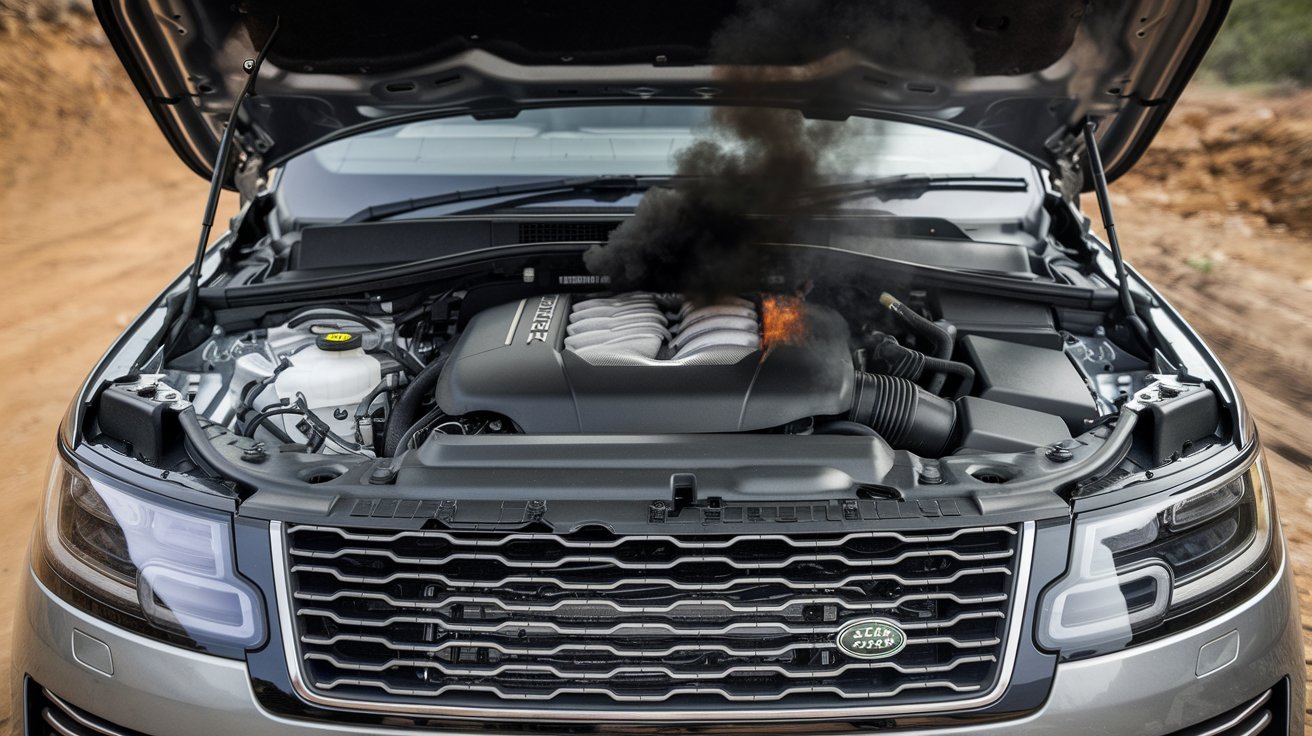
Petrol V8 diagnostic evidence
4.4 petrol V8: follow heat, air and combustion evidence
The useful petrol V8 diagnosis is not a list of common parts. It is a comparison between temperature behaviour, unmetered air, cylinder-specific combustion, oil loss and the first seconds after a cold start. Those five evidence groups should agree before the repair direction is chosen.
Cooling stability
Record coolant loss, actual temperature movement, heater changes, fan activity, residue and whether the concern appears in traffic or at road speed. Pressure retention, circulation and the physical leak path should be tested before an overheating history is reduced to one visible component.
Intake air and crankcase ventilation
Rough idle, lean mixture faults or a whistle can begin with unmetered air, crankcase ventilation or intake sealing. Smoke testing and live fuel-trim behaviour are stronger evidence than replacing the first sensor mentioned in a fault code.
Cylinder-specific combustion
Identify the cylinder, cold or hot condition, engine load and fuel state. Ignition components, injector command, air leakage and compression evidence should be compared in order because a worn plug and a mechanical sealing problem can create a similar driver complaint.
Oil leakage and crankcase pressure
Trace oil from the highest wet point and consider whether crankcase pressure is pushing oil through an otherwise secondary seal. Airflow can spread residue across covers and make the lowest wet point look like the source when it is not.
Cold-start mechanical noise
Record the first seconds safely and note whether the sound follows engine speed, fades with oil pressure or changes as the engine warms. Timing drive, auxiliary components, exhaust leakage and valvetrain condition require different tests, so the sound pattern should be preserved before parts are removed.
One fault can change the evidence of another
Cooling and oil faults can influence each other
Overheating, oil loss and lubrication problems should not be assessed as isolated observations when they appear in the same history. Heat can change seals and clearances, while poor lubrication or contamination can change the temperature and mechanical behaviour that the driver notices next.

Heat can create secondary oil evidence
An overheating event can harden seals, alter clearances and change oil condition. If a leak appears after the temperature event, the workshop should confirm the cooling cause as well as the visible oil source instead of treating them as unrelated repairs.
Oil condition can change mechanical temperature
Low level, contamination or incorrect lubrication can increase friction and mechanical stress. Oil-pressure evidence, the service history and the physical condition of the lubricant matter when noise or temperature behaviour changes at the same time.
The stop decision comes before diagnosis
Do not continue driving with a red oil-pressure warning, rapid overheating, major coolant loss, a deep mechanical knock or heavy smoke. Recovery preserves safety and prevents a measurable problem from becoming a larger internal failure.
3.0 TD6: build the event from cranking to load
Starting
Measure battery voltage under load, cranking speed, supply pressure and rail-pressure build. Note whether it starts better cold or hot, whether smoke appears and whether it stalls after firing.
Power delivery
Compare requested and measured air, boost and fuel values during the exact acceleration condition. Inspect ducts, vacuum or control paths and exhaust restriction evidence before naming a turbocharger.
Smoke
Dark, blue-grey and white smoke require timing and load context. Colour alone cannot confirm injectors, turbocharger or internal damage.
Injector evidence
Correction values are clues, not automatic replacement instructions. Balance them with return-flow testing where appropriate, rail behaviour, combustion sound and mechanical condition.
Oil and crankcase
Track level change, external leakage, intake contamination and crankcase pressure. Overfilling can create additional problems and should not be used to compensate for uncertainty.
Gearbox interaction
Poor acceleration, flare or restricted operation can involve the engine, transmission or both. Record engine speed, vehicle speed, selected gear and warning order.
A fault code should start a test, not finish the diagnosis
Early L322 electronics can store communication, voltage and secondary faults after a weak battery, low-voltage start or another module event. Scan the relevant network, preserve freeze-frame data where available and establish battery and charging stability before parts are authorised.
A mixture code does not prove an oxygen sensor. A boost code does not prove a turbocharger. A rail-pressure code does not prove an injector. A transmission message does not prove the gearbox is internally damaged. Each code shows what the control unit observed and must be compared with physical and measured evidence.
Clear codes only after the original record is captured. Then reproduce the complaint in a controlled condition. If the fault is intermittent, logging data over the owner’s typical cold start, traffic heat soak or steady cruise may be more useful than repeated workshop idling.
A useful diagnosis follows a sequence
What the workshop should verify in order
The order matters because each stage changes the meaning of the next one. Identity and baseline checks come before deeper testing, the original event should be preserved before codes are cleared, and the final repair should be verified under the condition that exposed the fault.
Confirm identity
Verify the VIN, engine, production context, fitted equipment, software state and relevant modifications so the test plan matches the actual petrol V8 or TD6 installation.
Establish the baseline
Check battery and charging condition, fluid levels, visible leaks, hoses, connectors, grounds, mounts and evidence of previous repair before one symptom is treated as the whole diagnosis.
Preserve the event
Record cold or hot state, engine load, warning sequence, restart behaviour and relevant module data while the complaint is still present. This keeps the original fault separate from secondary events created during testing.
Run the targeted test
Choose pressure, smoke, electrical, compression, leak-down, fuel, boost or cooling tests from the evidence already collected. The test should answer a specific question rather than simply produce more data.
Define the repair boundary
Explain what has been confirmed, which connected parts are affected, what can remain in service and what uncertainty remains before the owner approves a wider repair scope.
Verify the original complaint
Repeat the relevant cold start, heat-soak, load or fluid-retention condition after repair and confirm stable fluids, normal measured values and no returning relevant warning.
Targeted repair versus deeper engine work
A targeted repair fits an isolated hose, external seal, wiring defect, ignition component or measured control fault when the surrounding engine evidence is healthy. The quotation should include the connected checks and a verification plan.
Wider work may be justified when overheating, contamination, low compression, low oil pressure, metal debris or persistent mechanical noise shows internal risk. Mileage and age can guide inspection, but neither proves that a rebuild is required.
Ask whether the proposed scope includes cooling-system causes, contamination control, machining if applicable, ancillaries, coding and post-repair road testing. A used replacement engine also needs identity, compatibility, history and baseline checks.
When measured evidence confirms internal damage, the findings can move into a scoped Range Rover engine repair plan without replacing diagnosis with a generic rebuild package.
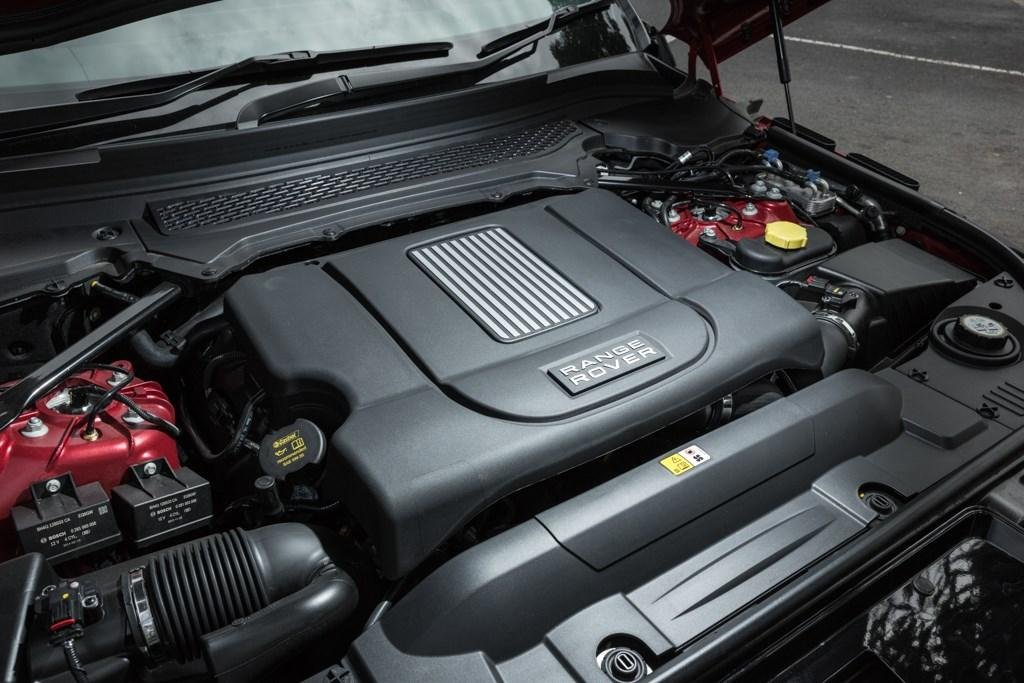
Owner checks that preserve evidence
Safe checks
Photograph warnings, record cold-start behaviour, look beneath the parked vehicle, note measured top-ups and gather invoices. Check levels only by the approved procedure on suitable ground.
Avoid
Do not open a hot cooling system, add unverified additives, repeatedly clear codes, disconnect the battery to hide a warning or use starting fluid on the TD6.
Bring
Both keys, VIN, recent repair details, fuel history when relevant, safe recordings of noise or smoke and the exact conditions that trigger the concern.
Questions early L322 owners ask
How do I know whether I have the BMW 4.4 V8 or TD6?
Confirm through the VIN and physical engine identification. Do not rely only on model year, badge or a used-vehicle advertisement because registration and import history can be misleading.
Can a weak battery cause engine and gearbox messages together?
Yes, unstable voltage can create communication and actuator faults across modules. Test battery, charging and grounds under load, but do not assume voltage explains a mechanical symptom such as knock, heavy smoke or overheating.
Does coolant loss mean a head-gasket failure?
No. External leaks, caps, hoses, radiator, heater circuit and pressure-related loss need inspection first. Internal leakage requires specific pressure, combustion and mechanical evidence.
Does a TD6 boost fault mean the turbocharger is finished?
No. Air leaks, control supply, sensors, exhaust restriction and fuelling can affect measured boost. Compare requested and actual data and inspect the complete path.
Should I replace every old hose during one repair?
Not automatically. Inspect condition, access overlap, evidence of deterioration and the consequence of failure. The workshop should explain why each additional part is included.
Storage, recommissioning and an unknown baseline
Many early L322s spend periods unused or change owners with incomplete records. Before a long-stored vehicle is driven hard, inspect battery condition, charging, fuel age, fluid levels, coolant integrity, belts, hoses, tyres and evidence of rodents or moisture around wiring. An engine that starts is not automatically ready for sustained load.
Old fuel can complicate starting and combustion diagnosis, but contamination should be confirmed before the tank or injectors are blamed. Note how long the vehicle was stored and how much fresh fuel was added. For the TD6, observe cranking speed and rail-pressure build. For the petrol V8, compare fuel trims, misfire data and idle response after the basic electrical baseline is stable.
Recommissioning is not an invitation to replace everything by age alone. Prioritise safety, active leakage, cooling integrity and measured engine condition. Then create a staged maintenance plan using the exact engine and verified history.
Used-vehicle inspection should test both engine paths differently
For a petrol 4.4, request a true cold start, fully warm idle, cooling pressure assessment, scan of mixture and misfire history, inspection for oil and coolant residue, and a road test that confirms clean torque delivery. A recently cleared fault memory or a pre-warmed engine should be documented, not automatically treated as proof of concealment.
For a TD6, include cold and hot starting, smoke under appropriate load, boost and air-data comparison, fuel-pressure behaviour, crankcase condition and interaction with the automatic transmission. Correction values or one smooth idle are not enough to prove injector and compression health.
Across both engines, verify that warning lamps illuminate during the cluster check, review battery voltage and module communication, and inspect evidence of overheating or repeated top-up. A pre-purchase inspection cannot guarantee future reliability, but it can turn visible condition, scan history and measured behaviour into a clearer decision.
Parts quality and repair scope need written definitions
Ask whether a quotation uses genuine, original-equipment, aftermarket, remanufactured or used parts. Those categories are not interchangeable, and a brand name alone does not define condition or warranty. For used engines or major assemblies, compatibility and history need separate evidence.
The scope should identify seals, fluids, filters, disturbed fasteners, coding, machine work if any and post-repair testing. If access overlaps with another deteriorated component, the workshop can explain the labour overlap and risk, but the owner should still approve the additional work based on evidence.
Keep removed parts available for inspection when practical and request photographs of hidden findings. This makes a large repair easier to understand and helps the next technician distinguish confirmed work from assumptions.
Book the correct early L322 engine assessment
Send the VIN first, then the symptom timeline, warning photographs and repair history. Identifying the petrol V8 or TD6 correctly prevents the page, parts list and workshop test from following the wrong engine.