

Range Rover Headliner Repair Dubai
Repair a sagging, loose, stained or damaged Range Rover roof lining through an inspection-led plan for the fabric, foam, backing board and surrounding roof components. The correct scope depends on what has failed and what must be removed on your exact vehicle.
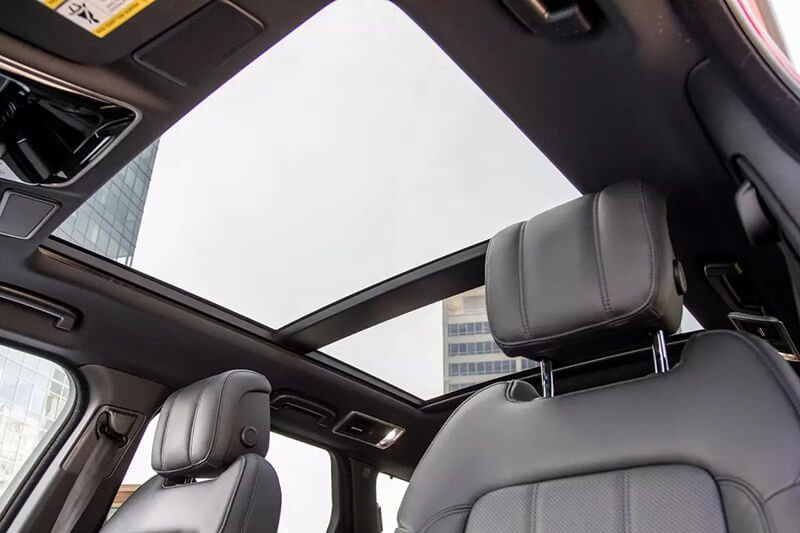
A hanging headliner is not always just loose fabric
The visible cloth is only the cabin-facing layer. Behind it are foam, adhesive and a shaped backing board, with lamps, handles, visors, pillar trims and roof openings fitted around it. A good repair begins by separating material failure from moisture, board damage and faults involving a panoramic blind.
Widespread sagging usually points to deterioration beneath the fabric and often needs the roof board removed, prepared and retrimmed. A stained or damp lining needs the possible water path investigated first. A loose panoramic blind is a separate system concern and should not be treated automatically as a fixed-headliner repair.
Dry sagging across a wide area
Fabric that drops in the centre or across several sections can indicate that the foam layer has broken down. Spraying adhesive through the fabric may leave hard patches, stains or an uneven finish without addressing the wider deterioration.
A damp edge, mark or musty smell
Moisture changes the job. The source may relate to a roof opening, glass edge, seal, drain route or earlier work, but the exact path must be verified. New fabric should not be used as a way to hide an unresolved leak.
Loose material around an opening
Release near a lamp, visor, handle or roof aperture may be local, or it may be the first visible part of broader foam failure. The surrounding material and the board edge need checking before a focused repair is recommended.

First identify which roof component actually needs attention
A Range Rover owner may describe any loose material above the seats as the headliner. The fixed roof lining, panoramic blind, sunroof trim and pillar finish are not necessarily the same component or repair. Their materials, access routes and failure modes differ.
The fixed headliner is the shaped trim panel covering the inside of the roof. A powered or manual sunroof blind moves within its own tracks and may involve separate fabric, guides and drive parts. Marks beside the aperture can also be evidence of water entry rather than an upholstery-only fault.
If the roof glass, shade or drainage behaviour is the main concern, a focused Range Rover sunroof inspection is more relevant than approving trim work alone. This link matters because the cosmetic symptom and the source can sit in different systems.
Local repair, full retrim or backing-board work
The most economical-looking option is not always the best value. The choice should follow the stability of the surrounding layers, the condition of the board and the finish the owner expects.
Localised repair
A small edge or isolated opening may support a focused repair when the nearby foam remains stable and the board is clean. The assessment should define the boundary and explain the risk of adjacent material releasing later.
Best suited to: a genuinely limited defect with sound surrounding material.
Full roof-board retrim
Broad sagging often requires the panel to be removed so failed material can be stripped and the surface prepared evenly. Fabric colour, texture, foam thickness and stretch must suit both the cabin and the roof shape.
Best suited to: widespread separation where spot work would create an inconsistent result.
Board repair or replacement assessment
Water exposure, old adhesive, broken apertures, creases or distortion can prevent new material from sitting correctly. The structural substrate may need attention before the visible finish is applied.
Best suited to: a damaged, contaminated or misshapen backing board.
What should be checked before the roof lining is removed
Removal should begin only after the visible failure, possible moisture source, roof equipment and board condition have been mapped. That prevents a trim repair from hiding a leak, damaging nearby fittings or turning a reusable board into a larger repair.
Map the release pattern
Check whether the lining has failed at one edge, around an opening or across a wide area. Powdery foam, hard adhesive patches or several loose zones usually change the repair from a local fix to a broader retrim.
Separate sagging from water entry
Stains, damp edges, odour or marks near roof glass should be documented before trim is disturbed. If moisture is involved, the entry path needs its own diagnosis before new material covers the evidence.
Record every fitting in the access path
Interior lamps, microphones, visors, grab handles, sensors and pillar trims should be identified before removal. Areas beside curtain-airbag trim need a deliberate removal and refitting route.
Inspect the board and its edges
Look for cracks, distortion, damaged apertures, contamination and earlier repair marks. The visible fabric can look repairable while the board beneath needs preparation or separate repair.
Approve the material before disassembly
Colour, texture, foam thickness and flexibility should be agreed against the cabin trim in natural light. This avoids removing the roof first and deciding the finish only after the vehicle is already apart.

Removal can proceed when the scope is clear. The technician should know the likely failure layer, whether moisture needs separate investigation, what trim must be disturbed and how the board will be handled and checked before new material is installed.
Material selection matters as much as installation
A neat first impression is not enough. The chosen material has to form around the board, sit cleanly at apertures and visually belong with the rest of the cabin.
Colour and texture
Beige, grey, black and other cabin tones can vary between model years and interior specifications. Samples should be assessed next to pillar trim, sun visors and seals. Screen photographs are not a reliable colour reference.
Foam thickness and flexibility
Material that is too stiff or too thick may struggle around recesses and openings. Material that is too thin may reveal imperfections in the board beneath it. Suitability depends on the roof geometry and preparation.
Heat exposure
Dubai parking conditions can expose a cabin to sustained heat. No repair should be sold on a universal lifetime promise. Ask what material and adhesive system is proposed for the vehicle and what aftercare applies to it.
Cabin-wide consistency
Changing the headliner to a darker or different texture can alter the character of the interior. Where the original finish is unavailable, the owner should approve the closest practical choice before installation.
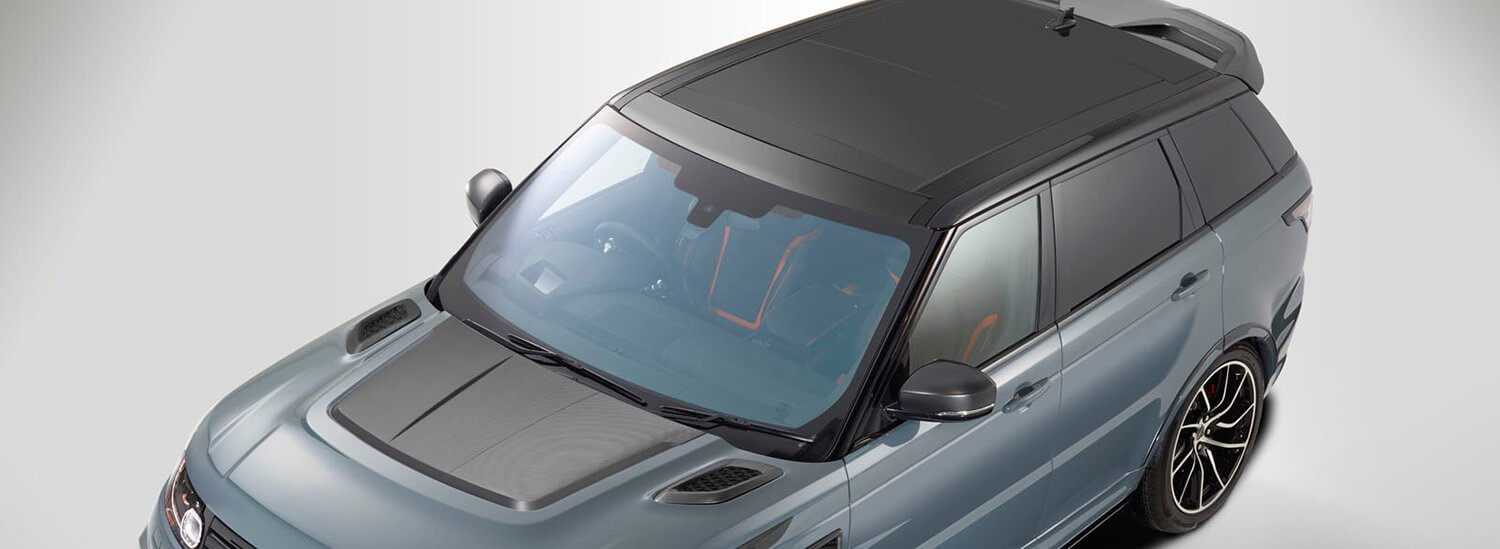
The finished fabric is only one part of a proper result
After installation, view the roof from the front seats, rear seats and load area where applicable. The fabric should show even tension, tidy edges and clean openings without waves, pulled corners or visible adhesive marks.
Every disturbed lamp, switch, microphone, handle, visor and roof-related control should be checked. Pillar trims and door seals should meet cleanly. A low-speed drive over an ordinary uneven surface can help reveal a new clip or trim rattle after reassembly.
If moisture formed part of the original complaint, the handover should state what was inspected, what was rectified and whether further controlled testing or monitoring is needed. A dry cabin on one occasion does not prove that every intermittent water path has been found.
The proposed estimate should separate the known scope from possible findings after removal. Ask whether it covers access, board preparation, new material, openings, refitting and functional checks, plus how brittle clips or previously damaged trim will be handled.
Why the exact Range Rover roof configuration changes the job
The same visible sag can require a different access and refitting plan across Range Rover models. Body length, seating layout, roof opening, rear trim and fitted equipment all affect how the board can be handled without forcing it.
Panoramic-roof vehicles
A large glass aperture changes the shape and rigidity of the headliner board. The fixed lining and the moving shade need to be identified separately. Marks near the aperture also deserve a moisture check before material work is approved.
Longer cabins and rear seating
Vehicles with more cabin length or additional seating can have a larger, more complex board and more rear fittings. The removal route should account for the complete panel, not only the loose area visible above one seat.
Roof-mounted equipment
Microphones, interior lights, sensors, controls and wiring interfaces may pass through or attach to the lining. Their locations should be recorded before removal, and their operation should be checked after refitting.
Previous trim or glass work
Earlier repairs can leave changed clips, excess adhesive, disturbed seals or marks that alter the new scope. Tell the workshop what was done and where, even if it appeared unrelated at the time.
Sharing the model year and VIN helps identify the likely configuration, but inspection remains important because vehicles can have different options or previous modifications. A quote based only on the badge and one close-up photograph may miss the access work, material area and fragile trim involved.
For owners in Dubai, the practical aim is not to choose the biggest repair automatically. It is to select the smallest scope that can reasonably produce a stable, even result after the cause, surrounding condition and access route are understood.
Common assumptions that lead to poor headliner decisions
Assuming every sag needs only more glue
When foam has turned weak or powdery, adhesive may bond to material that is already failing. The result can be temporary, uneven or visibly stained. The condition beneath and around the loose area should decide whether local work is sensible.
Retrimming before investigating a stain
A clean new surface can hide evidence that would have helped locate water entry. Photograph the mark and note the conditions that produce it. The cosmetic scope and any leak diagnosis should be described separately.
Treating the panoramic blind as fixed trim
A blind that hangs, wrinkles, jams or travels unevenly can involve its own fabric or mechanism. Approving a headliner retrim without separating those symptoms risks solving the wrong component.
Choosing material from a phone screen
Camera exposure and display settings change colour. Texture and sheen can also make a near match appear noticeably different once installed across the full roof. Compare a physical sample inside the cabin.
Judging completion only from the front seat
Changes in tension and edge alignment can appear different from the rear. Inspect every seating row, each opening and all refitted trim, then test the fixtures and controls involved in the work.
Range Rover headliner repair questions
Can a sagging Range Rover headliner be glued back?
A small isolated edge may sometimes allow a focused repair, but widespread sagging commonly involves deteriorated foam beneath the fabric. Applying glue through the visible cloth can create stains, hard patches and uneven adhesion. Inspection should determine whether the nearby layers remain stable.
Does the complete headliner need to come out?
Not for every minor defect, but broad separation, contaminated material or board work can require removal. The route depends on body style, roof configuration and the fixtures around the panel. The workshop should explain the likely access plan for the exact vehicle.
Is a sagging panoramic blind the same repair?
No. The moving blind or shade can have separate fabric, guides, tracks and drive components. It should be assessed as its own system so a trim repair does not conceal a mechanical or alignment concern.
What if the headliner is stained near the sunroof?
Staining or dampness should trigger an investigation of the possible moisture route before cosmetic restoration. Retrimming can improve appearance, but it cannot by itself confirm or repair the source of water entry.
Can the cost be confirmed from photos?
Photos help identify the visible area and plan an initial conversation, but they cannot show the complete foam, board, clip and access condition. A reliable estimate follows inspection and an agreed material choice.
How long does headliner repair take?
Timing depends on the vehicle, roof equipment, removal route, board condition, material availability and approved scope. A realistic estimate can be given after those factors are checked rather than using one promise for every Range Rover.
Which Range Rover models can be assessed?
The process can be assessed according to the specific model, generation, year, body style and roof equipment. Share the VIN when available, plus photographs of the full roof and damaged area, so the correct configuration can be identified before booking.
A practical headliner repair checklist
Confirm the failed layer
Is the problem fabric release, degraded foam, board damage, moisture, a moving blind or a combination?
Define what must be removed
Ask which pillars, seals, lamps, visors, handles and roof fittings are expected to be disturbed.
Approve the material in the cabin
Compare the proposed colour and texture against the remaining trim in natural light.
Separate known work from possible findings
Board damage and brittle clips may only become clear after access. The estimate should explain how additional findings will be communicated.
Agree the handover checks
Include surface finish, trim alignment, fixtures, controls, noise and any moisture-related follow-up relevant to the original complaint.
Arrange a Range Rover roof-lining assessment in Dubai
Send the model, year, VIN when available and clear photos of the complete roof plus each loose or stained area. Mention previous roof, glass, upholstery or water-leak work so the inspection starts with the right context.