

Range Rover Ceramic Coating Dubai
Choose ceramic coating for your Range Rover when the goal is a cleaner, glossier paint surface that is easier to maintain. The right result starts with the condition of the existing paint. We inspect contamination, swirl marks, deeper defects, previous polishing and repaint history before recommending preparation in Dubai.
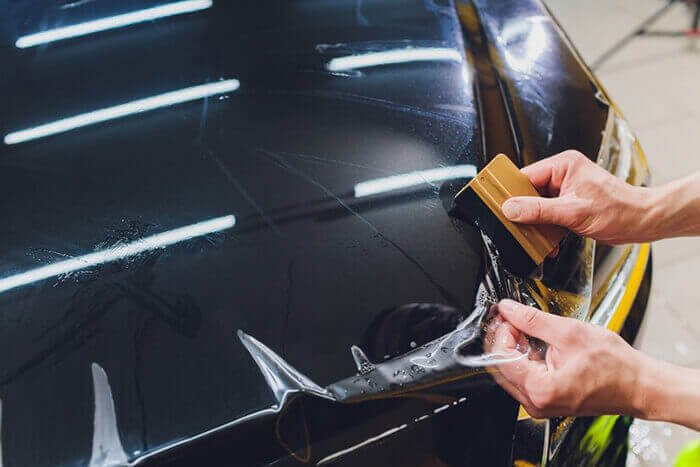
Is ceramic coating the right protection for your Range Rover?
It can be a good fit when you want easier washing, stronger water repellency and a more refined gloss on sound paint. It is not the correct answer for every exterior problem. The condition of the clear coat and the type of damage determine whether cleaning, paint correction, body repair or another protection method should come first.
When the paint is already in good condition
If the paint is healthy and the main goal is to make routine cleaning easier while maintaining a glossy finish, the preparation may focus on washing, decontamination and surface preparation rather than aggressive correction.
Before coating, the clean paint is checked for bonded contamination, wash marks and other defects so polishing is only used where it adds visible value.
When swirls, haze or wash marks are visible
Ceramic coating will not remove paint defects. If swirl marks or haze are visible under direct light, a correction stage may improve the appearance first. We agree the finish you want before polishing so unnecessary clear coat removal is avoided.
We separate defects that can be safely improved from deeper marks that should remain or be repaired before protection is applied.
When stone chips and road impact are the main concern
Ceramic coating does not provide the same physical impact protection as PPF. If impact damage is your priority, Range Rover paint protection options such as PPF are the option to consider when you want a physical barrier against road impact and stone chips.
If stone-chip protection is the priority, PPF should be discussed before ceramic coating is selected as the main protection.
Ceramic coating follows the paint that is underneath it
Coating can improve surface behaviour and enhance the appearance of a well-prepared finish, but it does not level scratches, fill stone chips or rebuild damaged clear coat. That is why we inspect the paint after the vehicle has been cleaned well enough to reveal the real surface.
Road film can hide fine swirls. Water deposits can make a panel look dull. Previous waxes, sealants or quick-detail products can temporarily change gloss and water behaviour. A repainted panel may also respond differently from original paint. These conditions need to be identified before we agree how much preparation the paint needs.
Contamination
We check for bonded deposits and residue that normal washing does not remove. Coating should only be applied after the surface has been properly prepared.
Swirls and haze
We inspect the paint under direct lighting to identify wash marks and polishing haze that may become more noticeable once the surface is clean and glossy.
Deeper damage
We separate correctable surface marks from stone chips, open scratches, peeling clear coat or body damage because those concerns may need a different repair route.
Panel history
We note repainting, previous polishing, film removal and older coating work when known because that history can change how conservatively a panel should be prepared.
Choose the protection layer by what you need it to resist
Dubai drivers often compare ceramic coating with paint protection film, but the two products do different jobs. Ceramic coating is a cured surface treatment that can add water-repellent behaviour, gloss and easier maintenance. PPF is a physical film used when impact and abrasion protection are the priority. The choice becomes clearer when the protection method is matched to the type of damage you are trying to prevent.
| Owner concern | Ceramic coating | PPF | What to decide first |
|---|---|---|---|
| Easier routine washing | A maintained coating can make routine washing easier by reducing how readily ordinary contamination sticks to the surface. | Some films also have surface treatments, but easier washing is not the main reason to choose film. | How the vehicle is normally washed and where it is parked. |
| Gloss and surface refinement | Works best after suitable paint preparation. The visible result still depends heavily on the paint underneath. | Clear film can preserve the appearance of the panel, but film selection and installation quality affect the finish. | Whether the goal is appearance, impact protection or both. |
| Stone chip risk | Not a substitute for a physical impact layer. | PPF adds a physical film over the paint, so it is better suited to stone-chip and road-impact protection. | Which panels receive the greatest road exposure. |
| Existing scratches | Does not remove them. Existing scratches need their own correction or repair before coating. | Should not be used to hide damaged paint without assessing the defect first. | Depth of damage and whether the clear coat or colour layer is affected. |
| Maintenance expectations | Still requires careful washing and contamination removal. | Film also requires appropriate cleaning and edge care. | Whether the owner can follow the aftercare for the chosen protection system. |
What Range Rover ceramic coating can and cannot do
Clear expectations matter because ceramic coating is not a repair for damaged paint. We explain which improvements come from paint preparation and which come from the coating itself so the expected finish is clear before work begins.
What a suitable coating can help with
- Water-repellent surface behaviour. A maintained coating can make rinse water bead or sheet differently, depending on the product and current contamination.
- Easier removal of ordinary dirt. A cleaner surface can reduce the effort needed during routine washing when correct wash technique is used.
- Gloss on prepared paint. The coating can complement a refined surface, although much of the visible improvement may come from the preparation completed first.
- A sacrificial surface layer. The coating sits above the paint finish and can take ordinary environmental contamination before the clear coat is directly exposed.
What ceramic coating does not do
- Stop stone chips. A liquid coating is not an impact-absorbing film.
- Make the paint scratch proof. Poor washing, dry wiping and contact with abrasive material can still mark the finish.
- Repair deep scratches or peeling paint. Damaged paint needs the appropriate repair before protection is considered.
- Remove the need for maintenance. Dust, mineral residue and road contamination still need safe cleaning.
- Guarantee a universal lifespan. Product choice, preparation, storage, washing and exposure all influence real performance.
Heat, dust and mineral residue change the maintenance plan
Ceramic coating can make routine cleaning easier, but the maintenance plan should follow what the paint is exposed to. In Dubai, the useful question is not how often the vehicle can be washed. It is what is sitting on the surface and how to remove it without creating new marks.
Loose grit becomes a paint-contact problem when it is wiped across a dry panel.
Rinse first, then use clean wash media instead of dry wiping the surface.
Water and cleaning products can dry faster on heat-soaked bodywork and leave uneven residue.
Let the surface cool where practical before washing, drying or applying maintenance products.
Repeated water spotting can sit on top of the coating and change gloss or water behaviour.
Dry carefully after washing and inspect persistent deposits before stronger cleaning or polishing is considered.
Bird residue, tree contamination and road film should not be scrubbed from a dry surface.
Soften and remove the contamination with a suitable wet-cleaning method, then inspect the paint underneath.
Dust, road film and mineral residue can temporarily change how a coated panel behaves. Clean the surface properly before deciding that the coating has failed or needs another product applied over it.
How we prepare and ceramic coat a Range Rover
The number of coating layers matters less than the condition of the paint underneath. We inspect and prepare the surface first, then complete any agreed correction before the coating is applied. Each stage has its own purpose, from cleaning and decontamination through to final inspection and aftercare.
Intake
We note the model, paint concerns, previous bodywork, previous protection and the finish you want.
Wash
We remove loose dirt and road film using a method that avoids adding unnecessary wash marks.
Decontaminate
We remove bonded contamination only as needed, then inspect the surface again once deposits no longer hide the paint.
Correct if needed
We confirm whether the paint needs no correction, light refinement or a more involved polishing stage before protection.
Prepare and coat
We prepare the paint for the selected coating and apply it according to the product requirements and the areas agreed for treatment.
Inspect and hand over
We review the finish, explain any defects intentionally left and provide product-specific first wash and maintenance guidance.
New, used and repainted paint needs different preparation
New or nearly new Range Rover
Low mileage does not guarantee defect-free paint. Transport, dealership washing, dust and previous preparation can leave fine marks. We still inspect the clean paint before deciding whether any correction is necessary.
If the surface is already in good condition, heavy polishing may remove clear coat without providing a worthwhile benefit. The preparation should match what is actually visible.
Daily-driven vehicle with visible wash wear
Used paint may have a mixture of light swirls, isolated deeper scratches, water spotting and older products. The aim should be realistic improvement rather than chasing every mark without considering clear coat preservation.
Ask which defects are expected to improve and which are likely to remain before the coating stage begins. That makes the handover standard clearer.
Repainted or body-repaired panels
Previous paintwork needs its own assessment. Product compatibility, paint condition and the history of the repaired panel matter more than a universal waiting period or generic polishing rule.
If there are chips, peeling clear coat, open scratches or body damage, have the damage repaired through our Range Rover body shop before adding a protection layer.
Paint, glass, trim, wheels and film are not the same surface
A ceramic coating quote should state exactly what is included. A coating intended for painted body panels should not automatically be assumed suitable for textured plastic, glass, wheels, satin finishes or existing PPF.
If the vehicle already has paint protection film, the film type and condition should be checked before any compatible coating is considered over it. The same principle applies to recently replaced trim, painted wheels and aftermarket exterior parts.
Before coating or correction is approved, the exact finish should be identified from the vehicle itself. Gloss paint, satin or matte finishes, existing film and repainted panels can require different preparation even when the colour appears similar.
Matte and satin finishes need separate approval
Do not treat a satin or matte finish like normal gloss paint. Polishing can permanently change the appearance of a low-gloss surface, and some paint protection products may also alter the finish. The exact paint or wrap system should be identified before a coating or correction method is approved.
Gloss paint can also have special conditions if it has been repainted, recently repaired or covered by film. A visually similar panel does not automatically mean the same preparation is appropriate.
How to maintain ceramic coated Range Rover paint in Dubai
A coating can make cleaning easier, but careful wash technique remains the main defence against fresh swirl marks. The workshop should also provide the first-wash and early exposure instructions for the specific product used because there is no single universal curing schedule for every coating.
Useful habits
- Rinse loose dust and grit before touching the paint.
- Use clean wash media and automotive cleaning products suitable for the protected surface.
- Wash panels when they are cool enough for the product being used.
- Dry carefully rather than allowing repeated mineral residue to build on the surface.
- Remove bird residue and similar contamination with a safe method rather than scrubbing it when dry.
- Tell future detailers or body repairers that the vehicle has a coating before they polish or repaint a panel.
Do not diagnose coating failure from water beads alone
Water behaviour can change when road film, mineral residue or other contamination sits on top of a coating. A surface that beads less strongly than before does not automatically prove the coating has disappeared.
Start with a proper maintenance wash and inspection. The next step could be decontamination, product-specific maintenance or no additional treatment at all. Avoid adding random waxes or strong chemicals simply to change the beading pattern without first understanding what is on the surface.
Keep the product name and aftercare instructions with the vehicle records. That gives a future detailer a better starting point than guessing which chemistry was applied.
Range Rover models and paint specifications can differ
Body shape, panel size, trim design, paint finish and previous repair history can change the preparation required. The paint condition on the actual vehicle matters more than the colour name or model year when we decide how much preparation is appropriate.
When booking, send the model, year, VIN when available, clear photographs in daylight, close-ups of visible defects and any known history of polishing, repainting, PPF or older coatings.
Inspect the paint before ceramic coating is applied
Our workshop is located in Al Quoz 4, Dubai. A photograph can help identify obvious concerns, but the final preparation and coating recommendation should follow a clean, physical inspection of the paint.
This is especially important when a Range Rover has a mix of original and repainted panels, older film, previous polishing or visible defects that the owner hopes to improve before coating.
Tell us what matters most to you: easier maintenance, improved gloss, protection of sound paint, or a comparison with PPF. We can then recommend the preparation and protection that best suits that goal.
Range Rover ceramic coating FAQ
Does ceramic coating remove scratches from Range Rover paint?
No. Ceramic coating follows the shape of the surface underneath it. Fine swirls or haze may be improved through a separate paint correction stage before coating. Deep scratches, chips, peeling clear coat and body damage need their own repair decision.
Is ceramic coating or PPF better for a Range Rover in Dubai?
They address different priorities. Ceramic coating suits owners who want water-repellent surface behaviour, easier routine cleaning and gloss on prepared paint. PPF is usually the better fit when physical impact and stone chips are the main concern. Some owners may choose both after checking product compatibility and the vehicle condition.
Is paint correction always needed before ceramic coating?
No. Correction should be based on the paint condition and the finish you want. Sound paint may only need cleaning, decontamination and surface preparation. Paint with visible wash marks may benefit from polishing, while deeper defects may need to remain or be repaired separately.
Can a repainted Range Rover panel be ceramic coated?
Possibly, but repaint history and the condition of the repaired panel should be checked first. We base the preparation and coating timing on the paint system and condition of that panel rather than using one rule for every repaint.
Can ceramic coating be applied over existing PPF?
It can be considered when the coating is compatible with the film. We first inspect the condition of the PPF and identify the film where possible before recommending any additional coating.
How long does ceramic coating last in Dubai?
Ceramic coating lifespan varies with the product, preparation, outdoor exposure, mileage, wash chemistry and maintenance. We confirm the expected care and durability guidance for the exact coating selected for your Range Rover instead of applying one lifespan to every vehicle.
How much does Range Rover ceramic coating cost in Dubai?
The cost depends on vehicle size, paint condition, contamination, the amount of correction agreed, the surfaces included and the selected coating. A fixed price without inspecting the vehicle and confirming what is included can be misleading. Request an itemised estimate after the paint has been assessed.
What should I send before booking?
Send the model, year, VIN when available, full vehicle photographs, close-ups of paint defects and any known history of repainting, polishing, PPF or previous coating. Mention how the vehicle is normally parked and washed because aftercare should match real use.
Book your Range Rover ceramic coating assessment in Dubai
Send clear photos and the result you want from the finish. We can use that information for the first conversation, then confirm the preparation and ceramic coating treatment after inspection at our Al Quoz 4 workshop.