

Charging-system diagnosis and repair in Dubai
Range Rover Alternator Repair and Replacement in Dubai
A battery warning, dim lights, repeated flat battery or electrical shutdown can involve the alternator, drive belt, charging control, cables, grounds or the battery itself. We test the complete energy path before replacing the alternator.
The charging warning is not a parts diagnosis
A battery light can appear when energy is not moving correctly through the whole system
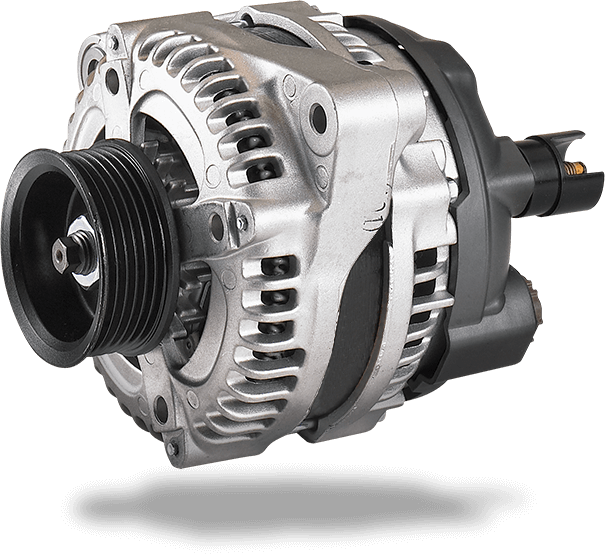
The alternator supplies electrical energy while the engine is running and helps restore the battery after starting. The battery, drive belt, alternator, charging control, main cables, grounds and vehicle loads must work together. A fault in any part of that path can create low voltage, repeated discharge or warning messages.
An alternator can fail electrically, mechanically or intermittently. A belt can slip or lose drive. A cable or ground can carry voltage with no load but drop too much under demand. A weak battery can absorb charging energy poorly or make the alternator work harder. Some vehicles use managed charging strategies, so one voltage reading at idle is not enough to condemn the alternator.
If the battery loses charge mainly while the vehicle is parked and there is no charging warning while driving, a controlled battery drain diagnosis is more relevant than replacing the alternator. If the battery is charged but the engine still will not turn, the next check belongs in the starter circuit. The timing of the failure is therefore as important as the warning itself.
The energy path
Alternator diagnosis follows power from mechanical drive to vehicle loads
Belt and pulley drive
The alternator must be driven correctly. Belt condition, tensioning, pulleys and related rotating parts can affect output and noise.
Alternator generation
The internal windings, rectification, regulation and bearings must produce stable output under the conditions commanded by the vehicle.
Main cable and grounds
Generated energy must reach the battery and electrical system through secure connections with acceptable voltage drop.
Battery storage
The battery must accept and store energy. Internal weakness or incorrect specification can distort charging behaviour.
Vehicle electrical loads
Cooling fans, lights, climate, suspension, infotainment and other loads must be supported without unstable voltage.
The operating pattern directs the test
Three charging complaints that need different evidence
Battery warning while driving
The charging system, belt drive, main connections and current vehicle voltage need immediate attention. Record whether lights dim, warnings multiply or the engine begins to run poorly.
Battery repeatedly flat after parking
The alternator may be undercharging, but battery capacity and parasitic draw must also be tested. A parked drain should not be blamed on the alternator without evidence.
Noise from the alternator area
Bearing noise, belt slip, tensioner, pulley, compressor or another rotating component can sound similar. The location and load response should be confirmed before parts.
Test the system under realistic demand
How the workshop confirms an alternator fault
The alternator should be judged as part of the complete charging path. The workshop needs evidence from the belt drive, alternator output, cable delivery, battery response and vehicle loads before repair or replacement is approved.
Prepare the battery and vehicle state
Confirm battery type, state of charge, recent jump starts, warning history and whether a discharged or unsuitable battery could distort the test.
Inspect the mechanical drive
Check the belt, tensioner, pulleys, alignment, contamination and abnormal noise before low output is assigned to the alternator itself.
Measure output across real conditions
Observe voltage and current through the vehicle charging strategy while engine speed, temperature and electrical demand change. One idle reading is not the full result.
Measure cable and ground losses
Use voltage-drop testing under load to identify resistance in terminals, main cables or grounds that can block energy from reaching the battery and vehicle.
Compare battery acceptance and recovery
Check whether the battery can accept and retain the supplied energy. Internal weakness can increase charging demand and create misleading system behaviour.
Repair the confirmed stage and repeat the load test
Correct the alternator, belt, pulley, cable, ground or battery condition supported by the measurements. Then recheck warnings, output, voltage drop, noise and battery recovery with the relevant loads operating.
Repair follows the failed part of the energy path
Alternator, belt, cable or battery work
Alternator repair or replacement
This route is supported when internal electrical output, regulation, rectification, bearings or another alternator condition is confirmed and the related drive and connections are suitable.
Belt or pulley repair
A damaged belt, tensioner, pulley or alignment fault can reduce drive or create noise. Replacing the alternator alone will not correct a mechanical drive problem.
Cable or ground repair
High resistance can prevent charging energy from reaching the battery or vehicle. The damaged connection should be repaired and load-tested.
Battery correction
An incorrect, undercharged or weak battery can cause repeated starting and charging complaints. Fit and register the correct battery where the system requires it.
Avoid changing the wrong component
Alternator problems commonly misdiagnosed
Battery light equals alternator failure
The warning means the charging system needs diagnosis. Belt drive, cables, grounds, battery condition and control signals can also be responsible.
Good idle voltage proves the system
Output can fail under load, heat, speed or control conditions. Current, voltage drop and battery response need comparison.
New battery solves undercharging
A fresh battery may temporarily mask the fault. It will discharge again if the alternator, cable or belt problem remains.
Noise near the alternator is internal
Tensioners, pulleys, compressor components and other accessories can transmit noise through the same drive.
Low voltage is always generation failure
Resistance in the main cable or ground can create low voltage at the battery even when the alternator produces energy.
Repeated flat battery is always charging
A parasitic draw can discharge a fully charged battery while parked. The sleep-current test belongs on the battery drain route.
Repair, remanufactured unit or replacement alternator
The part route should be clear before removal begins
Targeted alternator repair
A repair may be considered when the confirmed internal fault is serviceable, the housing and main components are suitable and the scope can be defined. The quotation should identify what is renewed, what remains original and how output will be tested.
Remanufactured unit
A remanufactured alternator should have a clearly stated source, application, included components and warranty terms. The vehicle’s exact electrical and mounting requirements must match.
New replacement unit
A new unit may offer the clearest route where availability and compatibility support it. The quotation should still include belt, cable, battery and final load checks.
No alternator replacement
If testing identifies the belt, ground, cable, battery or control path as the fault, replacing the alternator would add cost without correcting the cause.
Dubai operating conditions
Heat and electrical demand can expose a marginal charging system
High ambient temperature can reduce battery reserve and affect weak electrical connections. Cooling fans, climate control, lighting, suspension, infotainment and other loads can place significant demand on the charging system. This does not prove alternator failure, but it makes testing under realistic load more important than a single unloaded reading.
Owners should report whether the warning appears after a long drive, in slow traffic, with the air conditioning and lights operating, after water exposure or only when the engine is hot. The timing can help separate an intermittent internal alternator fault from belt slip, cable resistance or a battery problem.
The quotation should follow the confirmed charging fault
What affects Range Rover alternator repair or replacement cost
The scope depends on the model, engine, alternator type, access, belt and pulley condition, battery state, main-cable condition, cooling or intake components that affect access, part status and any setup required after installation. A model name alone does not define the alternator or labour path.
A useful quotation should explain what test proves the alternator or related component is faulty, whether the battery has been damaged by discharge and how charging performance will be verified after the repair.
- VIN, model year and engine
- Alternator output under relevant load
- Belt, tensioner and pulley findings
- Main cable and ground voltage drop
- Battery state, type and capacity
- Part status and compatibility
- Final warning, output and recovery checks
Vehicle architecture changes the repair
Range Rover charging systems vary by engine and generation
Range Rover, Range Rover Sport, Evoque, Velar and Land Rover models use different alternators, belt layouts, battery locations, control strategies and electrical loads. Hybrid and electrified vehicles require additional caution because their energy systems are not the same as a conventional petrol or diesel charging layout.
Previous alternator replacement, battery registration, jump-starting, water ingress and aftermarket electrical equipment should be disclosed. These details can change the charging pattern and prevent a repeated failure from being treated as a simple part defect. The workshop should also confirm whether a discharged battery needs controlled charging before final alternator conclusions are made.
Engine and access
Alternator position and surrounding components change the removal path. The exact engine and fitted equipment must be identified.
Managed charging
Some vehicles vary charging behaviour according to battery state and control strategy. Testing should follow the vehicle rather than a universal voltage assumption.
Related electrical faults
Battery drain, starter demand, poor grounds and high electrical loads can affect the complaint and the life of the replacement alternator.
The exact warning wording and recovery guidance vary by model and powertrain. Owners can check the VIN-specific information in Land Rover iGuide before deciding whether the vehicle should continue or be recovered.
After the alternator work
What should be verified before the vehicle is returned
Stable output and cable delivery
Charging performance should remain appropriate while relevant loads operate, and the energy reaching the battery should not be lost through high-resistance connections.
Normal belt and pulley behaviour
The drive should run without abnormal slip, tracking, vibration or noise. Any separate rotating-component concern should be recorded.
Battery recovery and warning status
The battery should be charged to a suitable state, warning messages should be checked and the owner should be told if the battery has also lost capacity.
Alternator questions
Frequently asked questions
Does a battery warning always mean the alternator has failed?
No. The drive belt, cables, grounds, battery condition and charging control can create the same warning. The complete system should be tested.
Can I drive with the battery light on?
The vehicle may continue only while stored electrical energy remains. Stop safely and ask about recovery if warnings multiply, systems shut down, the belt is damaged, smoke appears or the engine begins to stall.
Can a bad alternator drain the battery overnight?
An alternator or related circuit can contribute to a drain, but parked discharge also has many other causes. A controlled sleep-current test is needed.
Can a weak battery damage the alternator?
A deeply discharged or unsuitable battery can increase charging demand and distort diagnosis. The battery and charging system should be assessed together.
Why is the new alternator still not charging?
Possible causes include the wrong part, belt drive, cables, grounds, battery condition, control or communication. Installation alone does not prove the complete energy path.
How much does Range Rover alternator replacement cost in Dubai?
The price depends on the exact engine, alternator, access, belt system, cables, battery condition, part status and verification. Diagnosis is needed for an accurate quotation.
Book charging-system diagnosis in Dubai
Test the energy path before replacing the alternator
Send the model, year, warning photo, whether the lights dim, whether the battery goes flat and any recent battery, belt or jump-start history. We will advise whether the next step is a charging-system test or recovery guidance.