
Four-wheel-drive distribution and control diagnosis
Range Rover Transfer Case Repair in Dubai
A four-wheel-drive warning, binding in a turn, a centre-underbody leak, clunking, vibration or loss of drive can involve the transfer case. The same symptoms can begin in the transmission, driveshafts, differentials, tyres or wheel ends. We test the command, fluid condition and actual torque path before choosing an external repair, actuator or wiring work, internal investigation or complete replacement.
The symptom must be tied to the middle of the driveline
A transfer-case warning or noise is a starting point, not a replacement instruction
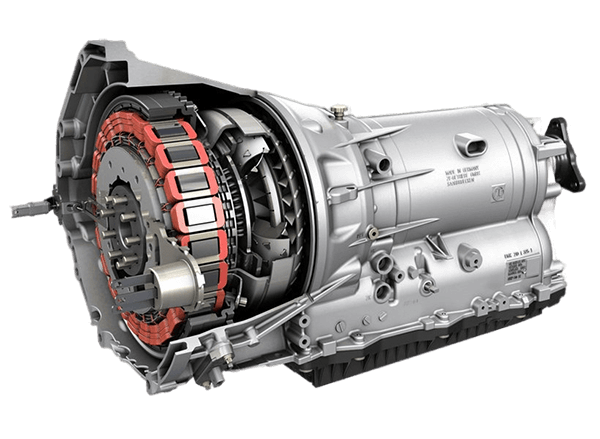
The transfer case distributes torque from the transmission toward the front and rear axles on applicable four-wheel-drive vehicles. Depending on the exact model and system, it may use gears, chains, bearings, clutches, actuators, sensors and electronic control. A problem in any connected area can be felt through the centre tunnel.
The first task is to separate a control restriction from a fluid leak, external actuator concern, tyre-related operating condition, driveshaft movement, differential noise or internal transfer-case fault. The exact warning, speed, load, steering angle, selected mode, temperature and recent repair history help decide which tests come first.
Parts and procedures differ across Range Rover and Land Rover generations. The VIN, fitted drivetrain, tyre setup and physical transfer case must agree before a fluid, actuator, internal repair or replacement route is approved.
Follow the torque path before opening a case
Where the transfer case fits between the gearbox and the wheels
The transfer case is one stage in a connected chain. A useful diagnosis checks what arrives from the gearbox, what the case is commanded to do, what it actually sends forward and rearward, and whether the connected axles and tyres allow that output to behave normally.
The point where the driver feels the symptom is not necessarily the point where it begins. The inspection should identify the stage that stops behaving correctly and connect that finding to the original warning, binding, leak or loss-of-drive complaint.
Different symptoms ask different questions
What the first inspection should decide
Check the exact message, relevant modules, voltage and communication condition, actuator command and whether the vehicle has a matching mechanical symptom.
Tyre setup, wheel-end condition, control command and internal torque-transfer behaviour may all be relevant. Do not continue forcing turns to reproduce it.
Free play can exist in the transmission, mounts, transfer case, driveshaft joints or differentials. The point where movement begins must be traced.
Transfer-case bearings or internal drive may be possible, but shafts, differentials, tyres and wheel bearings can create the same cabin sensation.
The source may be a transfer-case seal or another nearby assembly. Clean tracing and fluid-level assessment are required before the leak is named.
This is a high-priority drivetrain condition. The transmission output, transfer case and connected shafts need a controlled inspection without repeated driving attempts.
Three diagnostic gates before a major repair
How transfer-case failure is confirmed
The workshop should prove that the unit receives the correct command, has an external condition that explains the complaint, or shows mechanical behaviour that remains after connected systems are checked. One stored code or one centre-tunnel sound is not enough.
Gate one: command and communication
Relevant warnings, current and stored faults, battery and charging condition, wiring, actuator command, sensor information and selected drive mode are reviewed in context.
- Is the system asking for the action?
- Does the actuator respond?
- Are voltage and communication stable?
- Does the warning match the physical complaint?
Gate two: external and fluid evidence
The housing, seals, connectors, mounts, shafts and surrounding area are inspected. Fluid level and condition are considered only through the correct vehicle-specific procedure.
- Is the leak active and located?
- Is there impact or mounting damage?
- Are connected shafts and flanges sound?
- Has previous work changed the setup?
Gate three: mechanical output
Road behaviour, binding, noise, free play and transfer of drive are compared with tyres, driveshafts and differentials. Internal work is proposed only when the source remains in the case.
- Can the complaint be reproduced safely?
- Does it follow load, speed or steering angle?
- Have connected sources been separated?
- What requires authorised disassembly?
Tyres are part of the drivetrain evidence
Why tyre setup belongs in transfer-case diagnosis
Four-wheel-drive systems react to the rotational behaviour delivered by all four wheel ends. Tyre size, inflation, damage, wear and recent replacement can change how the vehicle feels and may alter the route used to investigate binding, warning or driveline load.
This does not mean a tyre condition proves the transfer case is healthy or faulty. It means the workshop should record the tyre setup before interpreting a turning complaint or replacing a torque-distribution component.
Tell the workshop about recent tyre replacement, puncture repair, wheel damage, alignment work or a period of driving with an underinflated tyre. The timing is useful evidence, but the vehicle still needs a complete diagnosis.
Choose the smallest justified repair route
External repair, control work, internal repair or replacement
The repair level should match the failed stage. A warning does not automatically require internal work, while a confirmed mechanical failure should not be hidden behind repeated software procedures.
External leak or mounting repair
Use this route when a seal, connector, casing-related leak or mounting concern is confirmed and there is no supporting evidence of internal damage. The exact source, fluid procedure and final leak check should be documented.
Actuator, wiring or control repair
This route fits when power, communication, command or actuator response explains the warning or drive-mode concern. The repair should state which circuit or component failed and how operation will be verified.
Internal investigation or rebuild
Internal work is considered when binding, noise or loss of drive remains inside the transfer case after tyres, shafts, differentials and control inputs have been separated. Any disassembly limit must be approved in advance.
Assembly replacement
Replacement may be appropriate when damage, internal condition, parts availability or repair limits make it the clearer option. The supplied unit, included seals and fluid, programming needs and final road checks must be defined.
Do not let connected systems compete for the same symptom
Transfer case compared with nearby driveline faults
| Symptom | Transfer-case possibility | Other routes that may fit better |
|---|---|---|
| Harsh shift or delayed engagement | The transfer case may transmit the event, but the initiating fault may be upstream. | A broader transmission diagnosis is appropriate when gear selection, slipping or gearbox warnings lead the complaint. |
| Road-speed vibration | Internal rotation or output movement can be relevant. | A driveshaft and joint assessment may fit when the pattern follows shaft speed or load. |
| Whine at front or rear axle | Noise can travel through the centre driveline. | Differential or wheel-end diagnosis may be more direct when the sound follows one axle or changes in turns. |
| Four-wheel-drive warning without mechanical symptoms | Control, actuator or communication checks may remain transfer-case related. | Battery, charging, wiring or wider network assessment may be needed if several systems reported faults together. |
| Binding after tyre changes | The system response still needs testing. | Tyre identity, pressure and condition should be verified before internal transfer-case work is considered. |
A quotation should separate diagnosis from discovery
What affects transfer-case repair cost in Dubai
Cost depends on the exact vehicle, transfer-case application, confirmed external or internal condition, leak source, actuator or wiring findings, parts, fluids, access, related shafts and the programming or verification required by the vehicle-specific procedure.
A warning-only assessment, an external seal repair, actuator work, authorised internal inspection and complete assembly replacement are different scopes. They should not be combined under one vague drivetrain estimate.
If internal condition cannot be judged without removal or disassembly, the quotation should state what is already confirmed, what remains uncertain and what additional labour could change the final decision.
Model and operating context change the test
Dubai driving, off-road use and vehicle history
Long motorway runs, traffic heat, towing, sand use, deep-water exposure, underbody impact and heavy loading can change when a transfer-case symptom appears. They help the workshop reproduce the condition, but none of them proves the assembly has failed.
Range Rover, Range Rover Sport, Velar, Evoque, Discovery and other Land Rover vehicles use different four-wheel-drive layouts, transfer cases, actuators and control strategies. The exact generation and fitted equipment matter. A procedure or component from another model should not be applied by name alone.
Previous used assemblies, software work, tyre changes, accident repairs or modified wiring can alter expected behaviour. The VIN provides a baseline, while the physical vehicle and current data confirm what is actually fitted.
Confirm the leak, fluid procedure, fasteners, connections and any warning that led to the work.
Verify command, actuator response, communication and the driving condition that previously produced the warning.
Review fluid, leaks, drive transfer, noise, binding and the original road condition where safe and relevant.
Transfer case repair questions
Frequently asked questions
Can a Range Rover transfer case cause vibration or noise?
It can. Internal rotation, bearings, clutches or output movement may create symptoms, but driveshafts, differentials, tyres and wheel bearings can feel similar. The source needs to be separated.
Does a four-wheel-drive warning prove internal transfer-case damage?
No. The warning may involve command, actuator, wiring, voltage, communication, tyre-related operating conditions or mechanical damage. The stored information and physical vehicle condition must agree.
Can mismatched or damaged tyres affect the diagnosis?
Tyre size, pressure, wear and recent replacement can change rotational behaviour and may influence binding or warning symptoms. They should be checked without assuming they are the only cause.
Can a transfer case be repaired instead of replaced?
Possibly. The correct route depends on whether the issue is external, control-related or internal, the exact application, damage, repair limits and parts availability.
Is it safe to drive with a transfer-case warning?
It depends on the warning and vehicle behaviour. Stop and request recovery guidance if there is binding, heavy noise, severe vibration, a major leak, smoke, instability or loss of drive.
How much does Range Rover transfer-case repair cost in Dubai?
Cost depends on the exact vehicle, confirmed fault, external or internal scope, actuator or wiring work, parts, fluid, access and verification. An accurate quotation follows diagnosis.
Preserve the warning and driving pattern
Book Range Rover transfer-case diagnosis in Dubai
Send the model, year, VIN or registration, exact warning, whether the concern is binding, clunking, noise, vibration, leakage or loss of drive, and when it occurs. Include recent tyre, gearbox, driveshaft or underbody work. We will advise whether the vehicle should be driven in carefully or assessed through recovery.