
You spot smoke trailing from your Range Rover’s exhaust. It is not just a visual; it is a warning. Range Rover Exhaust Smoke Colors can reveal serious engine issues before they spiral. White, blue, and black each mean something different. In Dubai’s climate, ignoring visible exhaust is not an option. Whether it is coolant sneaking into the combustion chamber or oil burning where it should not, smoke color is your first clue. We decode it daily. And if you are seeing it, it is time to pay attention.
Understanding Normal vs Abnormal Exhaust Emissions
Not every puff from your tailpipe means trouble. In fact, some smoke is just steam, especially during cold starts. That’s water vapor evaporating as the engine warms up. It disappears quickly, leaves no smell, and is completely normal.But here’s where things shift.When Range Rover Exhaust Smoke Colors linger, change shade, or show up after the engine is warm, it is no longer harmless. That’s when you’re dealing with combustion byproducts, fuel, oil, or coolant burning where they shouldn’t.Normal exhaust behavior includes: Most Range Rover owners in Dubai will notice a bit of vapor from the tailpipe during early morning starts. That’s not smoke, it’s steam. It clears up quickly and doesn’t carry any smell or residue. This kind of emission is expected and usually harmless.- Thin white vapor during cold mornings
- No visible smoke once the engine reaches operating temperature
- No strong odor or residue near the tailpipe
- Thick white smoke that doesn’t fade
- Blue haze with a burnt oil smell
- Black clouds during acceleration
Diagnostic Table | Range Rover Exhaust Smoke Colors
Every driver dreads that moment when smoke curls out of the tailpipe. Range Rover Exhaust Smoke Colors tell a story. Sometimes it is harmless steam, other times it is an expensive warning. The table below shows how color, odor, and driving conditions link to likely trouble spots. Think of it as a quick cheat sheet before you panic or book an inspection.| Color | Odor | When it Appears | Likely Systems |
| White Smoke | Sweet or acrid | Cold start, idle, acceleration | Coolant leak, EGR cooler, unburnt diesel, or normal condensation/steam |
| Blue Smoke | Oily, burnt smell | On start-up, acceleration, and highway pull | PCV/oil separator, valve seals, piston rings, turbo oil seals |
| Black Smoke | Heavy diesel smell, soot | Hard acceleration, regen cycle, under load | Rich mixture, faulty injector, blocked air filter, DPF overload, boost leaks |
| Gray Smoke | Mixed odor, fuel-oil blend | Continuous, varies with throttle | Turbo mist, PCV imbalance, fuel trim issues |
White Smoke | Coolant, Unburnt Diesel, or Steam?
Among all Range Rover Exhaust Smoke Colors, white is the one that makes drivers stop and think. Sometimes it is harmless vapor, other times it signals a repair waiting to happen.Coolant Leak or EGR Cooler
When smoke is thick and the coolant tank keeps dropping, the problem is usually that coolant is entering the exhaust.- Clues | sweet smell, coolant loss, smoke that lingers
- Causes | coolant leak from the head gasket or EGR cooler failure
- Check | a head gasket block test helps confirm
Diesel Cold Start
Diesel engines can throw out white smoke on early starts if the fuel does not burn fully.- Clues | smoke only at startup, clears when warm
- Causes | unburnt diesel, weak glow plugs, or air in fuel lines
Just Condensation
Not all white smoke is trouble; sometimes it is only water vapor burning off.- Clues | thin vapor, no odor, disappears quickly
- Cause | normal condensation on cool Dubai mornings
Quick Recap
- Coolant loss + thick smoke → serious leak
- Cold start haze → diesel or glow plug issue
- Vapor that vanishes → harmless condensation
Blue Smoke | Oil Entry via PCV, Valve Seals, Rings, or Turbo
Out of all Range Rover Exhaust Smoke Colors, blue smoke is the one that instantly points to oil sneaking where it should not. The challenge is figuring out the entry point.PCV and Oil Separator
A weak PCV/oil separator lets crankcase oil get pulled into the intake.- Clues | blue haze at idle or light throttle
- Cause | worn PCV diaphragm or blocked separator channels
- Fix | Replacing the PCV often cures the issue
Turbo Oil Seals and Intercooler Oil
Turbochargers on diesel and petrol Rovers can pass oil when seals wear.- Clues | smoke under acceleration, oil film in intercooler oil pipes
- Cause | failing turbo oil seals
- Extra Note | TDV6/SDV6 engines often needed a drain-mod because pooled oil in the secondary turbo caused sudden blue smoke bursts
Valve Stem Seals and Piston Rings
Sometimes the old-fashioned culprits still apply.- Clues | smoke mainly on start-up or deceleration
- Cause | worn valve stem seals or tired piston rings
Quick Recap
- Blue at idle → check PCV/oil separator
- Blue on boost → suspect turbo oil seals or pooled oil
- Blue on start → valve stem seals or piston rings
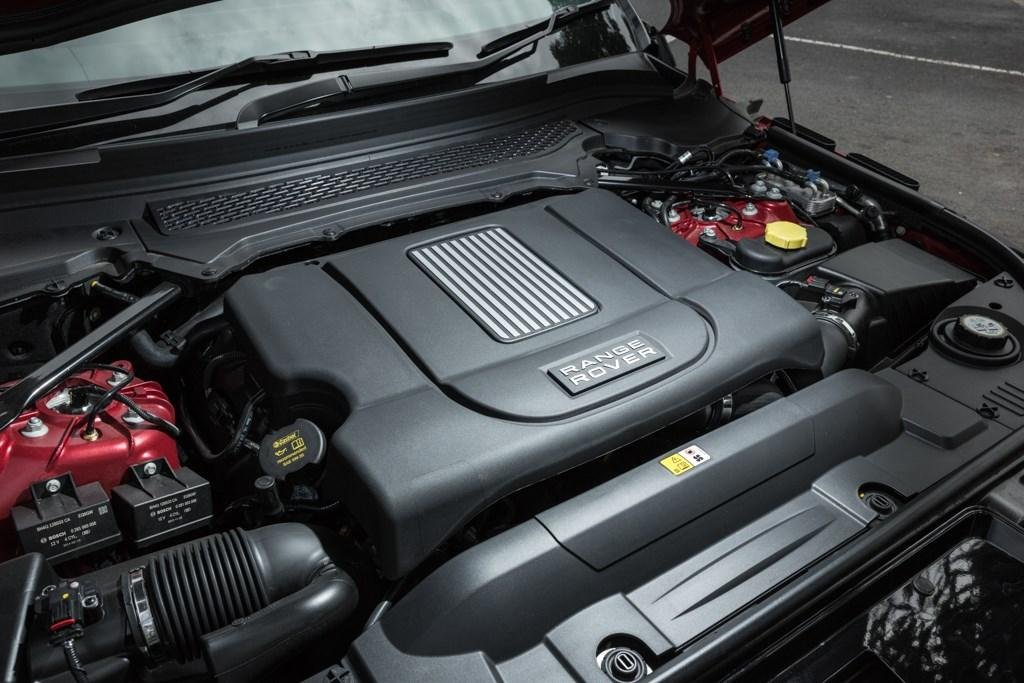
Black Smoke | Rich Mixture, Soot, DPF Load, or Boost Leaks
Among all Range Rover Exhaust Smoke Colors, black smoke is the one that leaves a heavy mark, literally. It is raw fuel burning, dirty, and the reasons differ between petrol and diesel engines.Rich Mixture on Petrol Models
When petrol engines run too rich, they pour excess fuel into the exhaust.- Clues | dark cloud under throttle, strong fuel smell
- Causes | faulty MAF/MAP sensor, leaking injector, or air filter restriction
Diesel Engines and DPF Cycles
On diesels, black smoke can appear during DPF regeneration or when the filter is overloaded.- Clues | smoke during highway drive, engine running hotter
- Causes | normal regen process, or clogged filter failing to burn soot
Boost and Airflow Leaks
When air does not match fuel, soot builds fast.- Clues | smoke on acceleration, loss of power
- Check | a boost leak, smoke test to find cracked hoses or split intercooler pipes
Quick Recap
- Petrol → rich mixture
- Diesel → DPF regeneration or clogged filter
- Across both → airflow and boost leaks
Gray Smoke | Mixed Oil/Fuel Paths, Turbo Mist
Out of all Range Rover Exhaust Smoke Colors, gray is the trickiest. It often looks like blue or black, but the cause is usually a blend of both.PCV Imbalance and Fuel Issues
When crankcase gases mix poorly with intake air, the result is gray haze.- Clues | inconsistent smoke, faint fuel smell
- Causes | PCV imbalance or fuel trim issues that confuse the ECU
Turbo Mist and Oil Traces
Turbo seals can push fine oil mist into the exhaust stream.- Clues | oily residue at tailpipe, smoke under load
- Cause | worn turbo shaft seals creating turbo mist
Quick Recap
- Gray vs blue → check for fuel smell and residue
- Modern Rovers no longer ingest ATF, so focus on the oil/fuel balance
Thin White Vapor | Normal Condensation
Not all Range Rover Exhaust Smoke Colors point to trouble. Sometimes what looks dramatic is just water turning into vapor.- Clues | thin mist on cold start vapor, disappears within minutes
- Smell | no odor, unlike coolant steam
- Check | coolant and oil levels stay stable
Mixed or Changing Smoke Colors | Complex Fault Patterns
Not every problem fits neatly into one shade. Some Range Rover Exhaust Smoke Colors shift over time: white on startup, then blue under load, or black during acceleration, followed by gray haze. These cases are the toughest to pin down. Mixed smoke often points to dual fault conditions. For example:- A turbo with worn seals adds oil into the exhaust, creating blue haze
- At the same time, an EGR cooler leak lets coolant slip through, turning parts of the cloud white
- Result | overlapping symptoms that mimic several issues at once
- Full-system inspection covering fuel, oil, and cooling paths
- Pressure testing coolant circuits and intake charge system
- Checking live data for air/fuel ratios, injector balance, and turbo boost
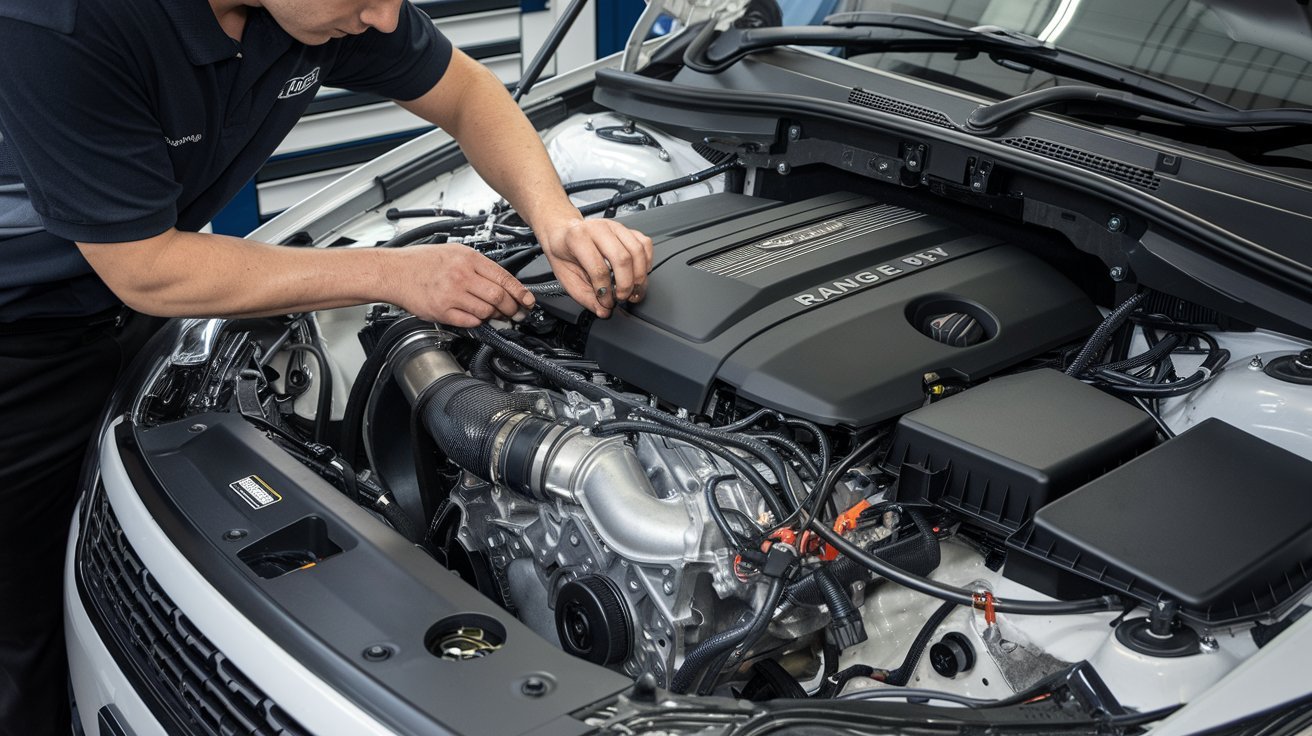
Engine-Family Patterns | What We See Most Often?
Not all Range Rover Exhaust Smoke Colors mean the same thing across engines. Each family has its own quirks, and knowing them helps spot problems faster.Ingenium Diesel | DPF and Oil Dilution
These smaller diesels are known for frequent regens in Dubai traffic.- Clues | white haze during DPF regeneration, rising oil level from dilution
- Causes | short trips interrupting regen, excess fuel mixing with oil
- Fix | regular highway runs to complete regen, oil changes at shorter intervals
TDV6/SDV6 | Secondary-Turbo Drain Issue
A common headache on these engines is oil pooling in the small turbo.- Clues | sudden blue smoke under hard acceleration
- Cause | poor oil drainage on the secondary turbo
- Fix | Land Rover issued a drain-mod to correct the design
TDV8 | Coolant vs Diesel Vapor
White smoke on these engines often confuses owners.- Clues | white haze at idle, sometimes with coolant loss
- Causes | failing EGR cooler, or simply diesel vapor at low load
- Check | smell the exhaust | diesel odor vs sweet coolant steam tells the story
V8 Supercharged | PCV and Seal Issues
Petrol V8s tend to suffer from crankcase and supercharger seal wear.- Clues | blue smoke on startup or idle
- Causes | failing PCV/oil separator, or oil sneaking past supercharger seals
- Fix | PCV service, seal inspection, and intake cleaning
DPF Regeneration vs Fault | How to Tell the Difference
Some Range Rover Exhaust Smoke Colors appear only during DPF cycles. A quick haze can be normal, but heavy smoke may point to a fault. Knowing the difference saves unnecessary panic.Normal DPF Regeneration
During a regen, the system burns trapped soot at high temperature.- DPF regen signs | higher idle, stop-start disabled, stronger fan noise
- Other clues | faint white haze, light burning smell, lasts 10,20 minutes
- What to do | allow a highway drive to complete regen without interruption
When It’s a Fault
If smoke is thick, frequent, or paired with loss of power, the DPF is not cleaning.- Clues | persistent warning lights, limp mode
- Codes | P2463 soot accumulation appears in diagnostics
- Action | live-data check of soot load, pressure sensors, and forced regen if safe
Owner Checks Before Booking
Before rushing to the workshop, a few quick checks can help narrow down the cause of Range Rover Exhaust Smoke Colors. These notes give the mechanic better insight and may save diagnostic time.- Coolant level check | note if it keeps dropping between drives
- Oil level trend | rising (fuel dilution) or falling (burning oil)
- Odor identification | sweet smell, oily burn, or raw diesel
- Photo/video evidence | record smoke color, thickness, and when it appears
- OBD codes | scan if possible and note stored or pending faults
- Conditions | time of day, engine temp, acceleration, or idle when smoke appears
- Dash warnings | DPF, coolant, or check engine lights
Workshop Diagnostic Flow | Service-Provider Method
When a vehicle comes in showing unusual Range Rover Exhaust Smoke Colors, we do not guess. We use a structured process to confirm where the problem really starts. Every step is designed to catch issues early and avoid costly damage.- Scan tool data: fuel trims/soot load/boost to compare expected vs actual values
- Intake/boost smoke test to expose leaks in hoses, intercooler, or manifolds
- Coolant block test & pressure test to detect coolant loss into combustion
- PCV vacuum & oil separator check to track oil pulled into the intake
- Turbo shaft play & intercooler oil inspection to assess turbo health
- Injector leak-back (diesel) and glow plug test for cold-start white smoke
- Borescope for oil wash inside cylinders to confirm wear or gasket failure
When to Stop Driving?
There are moments when unusual Range Rover Exhaust Smoke Colors mean the car should not move another mile. Driving further can turn a fixable problem into major damage.- Coolant loss with white smoke → risk of overheating or gasket failure
- Runaway risk (diesel) → blue smoke with rising revs that will not stop
- Misfire + heavy smoke → fuel and ignition issues that can destroy catalysts
Preventive Actions that Lower Smoke Events
Not all cases of Range Rover Exhaust Smoke Colors end in major repairs. Many can be prevented with routine care tailored for Dubai’s heat and stop-start driving.- PCV service | replace oil separators before they clog
- Long-drive DPF completion | weekly highway runs help finish regens
- Correct oil spec | right viscosity avoids dilution and smoke under load
- Air filter/MAF hygiene | clean airflow keeps mixtures balanced
- Post-repair validation drive | confirm fixes with proper load and mileage
Protecting Your Range Rover from Exhaust Damage
Paying attention to Range Rover Exhaust Smoke Colors is more than spotting a cloud; it is about protecting your engine and avoiding preventable failures. Every shade, whether white, blue, black, or gray, carries a message about fuel, oil, or coolant paths. Acting early means lower repair costs and longer vehicle life.Our workshop provides the expertise, tools, and service reliability needed for full diagnosis and smoke resolution. With proper care, long-term engine protection is possible. Trust us for workshop support that keeps your Range Rover healthy. Ignoring Range Rover Exhaust Smoke Colors is a risk no owner should take.For evidence-led inspection of smoke, leaks, rattles or exhaust warnings, review our Range Rover exhaust repair service.