

Range Rover Windshield Replacement in Dubai
A replacement windscreen must match the vehicle’s equipment, fit the aperture correctly and support the systems mounted around the glass. We inspect the damage, identify relevant cameras, sensors, heating and display features, then confirm the glass and post-installation requirements for your exact vehicle.
A cracked windscreen is more than a visibility problem
Quick answer: Replacement is generally considered when damage compromises the driver’s view, reaches an edge, spreads, penetrates multiple layers or cannot be safely repaired. The correct decision also depends on damage size and location, glass construction and the equipment attached to or looking through the windshield.
Range Rover windscreens can interact with rain sensing, forward facing cameras, heated areas, antennas, acoustic layers and head up display depending on model and specification. Not every vehicle has the same combination. That is why ordering glass by a broad model name alone can lead to the wrong part.
This URL targets complete Range Rover windshield replacement in Dubai. The model-specific Sport windshield page remains narrower, while this page serves owners across the Range Rover and Land Rover family who need a replacement decision.
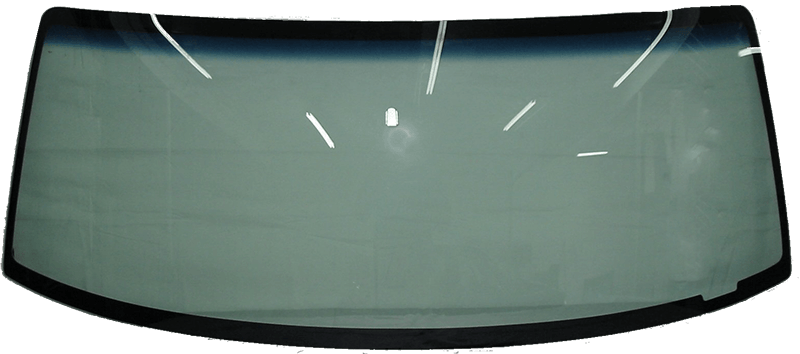
Repair the chip or replace the windshield?
| Condition | Likely direction | Why inspection matters |
|---|---|---|
| Small isolated chip away from the edge and driver’s critical view | Repair may be considered | Depth, contamination and prior spreading still need assessment |
| Crack running from an outer edge | Replacement is commonly considered | Edge damage can affect the glass structure and may continue to spread |
| Multiple impact points or branching cracks | Replacement may be the appropriate route | The full damage pattern matters, not only the largest mark |
| Damage in the camera viewing area | Specialist assessment is required | Optical distortion and system requirements must be considered |
| Inner layer damage, clouding or delamination | Replacement may be necessary | The fault is not a simple surface chip |
| Old chip filled with dirt or moisture | Repair outcome may be limited | Contamination can affect clarity and bond quality |
Match the glass to the vehicle, not just the badge
Forward camera area
A camera bracket, viewing zone and glass specification can be vehicle specific. Replacement planning must account for the systems actually installed.
Rain and light sensing
The sensor area, optical coupling and mounting arrangement need correct handling. A sensor cannot be assumed from model name alone.
Heating elements
Some screens include heated zones or embedded elements. Connectors and compatibility should be confirmed before the old glass is removed.
Head up display
Where fitted, the glass construction supports a clear projected image. Incorrect specification can create doubling or distortion.
Acoustic construction
Glass layers can influence cabin noise. The replacement specification should be checked against the vehicle identification and existing markings.
Trim, antenna and mirror mounts
Mouldings, clips, brackets and integrated features can differ by year and trim. The complete installation set should be planned in advance.
What the workshop should verify before removal
The technician records the vehicle identification details and compares the existing glass markings, tint band, sensor area, mirror mount and visible electrical connections. The dashboard, bonnet edge, roof edge and pillars are protected before work begins.
Damage around the aperture matters too. Previous adhesive work, corrosion, distorted trims or an earlier leak can change the installation plan. Water entry should not automatically be blamed on the glass itself because drains, roof systems, body seams and nearby seals can produce similar symptoms.

Our windshield replacement workflow
Identify
Confirm model, year, vehicle identification and installed features. Match the proposed screen and required fitting components before removal.
Document
Record the crack, surrounding paint, trims, dashboard and existing sensor area. This creates a clear pre-work condition reference.
Protect
Cover vulnerable cabin and body surfaces. Remove necessary wipers, cowls, trims, mirror parts and sensor covers using the correct sequence.
Remove
Cut and lift the damaged glass while managing broken fragments and avoiding unnecessary contact with the aperture and interior.
Prepare and bond
Inspect the aperture, prepare surfaces according to the selected adhesive system, place the glass accurately and refit compatible components.
Verify
Check fit, trim seating, visible sealing, wipers and connected features. Follow adhesive and vehicle specific requirements before release.
ADAS and camera calibration after glass replacement
Some Range Rover and Land Rover vehicles use a forward camera behind the windscreen for driver assistance functions. Removing and replacing the glass can change the camera’s relationship to the road, even when the bracket appears correctly positioned. Whether calibration is required depends on the vehicle, installed systems and manufacturer procedure.
The workshop should identify the driver assistance equipment, check for stored faults where appropriate and follow the relevant calibration route. Static or dynamic procedures, targets, road conditions and prerequisites vary. We do not present one universal process for every model.
Dashboard messages, unavailable assistance functions or unusual lane and sign recognition behavior after replacement require prompt diagnosis. Do not assume clearing a warning is equivalent to confirming correct camera alignment.
Prevent leaks, wind noise and trim problems
A good installation is judged after the glass is in place. Even correct glass can perform poorly if the aperture is contaminated, adhesive preparation is inconsistent, mouldings are damaged or the screen is positioned incorrectly. Wind noise can also come from roof rails, mirrors, door seals and trims, so diagnosis should isolate the source rather than automatically replacing the windscreen again.
Water entry check
Inspect the bond and nearby pathways without using uncontrolled high pressure that could force water past unrelated seals. Trace the entry point before deciding on rework.
Wiper sweep check
Verify that wipers park correctly, clear the intended area and do not strike trims. Worn blades can leave smears that resemble glass clarity problems. If poor wiping is the only concern and the glass is intact, see our Range Rover wiper blade replacement service for the more relevant repair path.
Sensor and warning check
Confirm connected equipment and review any relevant warning messages. Feature availability depends on the vehicle’s actual specification.
Information to send for a useful quotation
- The vehicle identification number or registration details requested by the workshop
- Model, model year and trim if known
- A full windshield photograph from outside
- Close views of the crack or impact point
- A clear view of the camera and mirror area from inside
- Any head up display, heating, rain sensor or driver assistance features you use
- Any water leak, wind noise or dashboard warning already present
- Whether the glass has been replaced before, if known
A final quote can vary with glass specification, trim and moulding needs, sensors, camera requirements, adhesive system and damage around the aperture. Availability and release timing should be confirmed for the exact vehicle rather than promised generically.
Before your appointment
Avoid pressing the crack, attaching suction accessories near it or using sudden temperature changes to test it. Keep the damaged area dry where practical and tell the workshop if the crack is growing. Remove valuables near the dashboard and share any existing electronic or water leak symptoms before work starts.
Model and equipment differences that affect the order
Range Rover, Range Rover Sport, Velar, Evoque, Discovery and Defender vehicles span many generations and specifications. A registration description may not reveal every glass option. Two vehicles of the same model year can have different driver assistance packages, climate features or display equipment. The vehicle identification and the markings on the existing glass provide a stronger starting point.
Camera bracket and viewing zone
The shape and position of a camera mounting area must correspond with the installed module. The black ceramic border and clear optical zone are functional details, not decorative choices.
Mirror and sensor cover
Mounts, covers and optical sensor pads can vary. Reusing a damaged clip or poorly seated cover can create rattles or leave equipment incorrectly positioned.
Electrical connections
Heated glass, antennas and other embedded functions require compatible terminals and careful reconnection. The presence of visible lines should be documented before ordering.
What different crack patterns can indicate
A circular impact with short radial lines often begins with a stone strike. A long line from the outer edge may have started from a small edge chip or stress point. Several branches can mean the damage has progressed beyond a localized mark. Haze between layers, bubbles or a milky border suggest a laminated glass condition rather than a simple outer surface chip.
Crack appearance does not provide a complete safety verdict from a web page. Temperature changes, body movement and road vibration can extend damage unpredictably. Dubai heat can create strong temperature differences when very cold air is directed at a hot screen. Avoid deliberately testing the glass with hot water, cold water or force.
If an object has penetrated the glass, if fragments are loose or if the driver’s view is substantially obstructed, treat the situation as urgent. Keep occupants away from the damaged zone and request professional guidance. The appropriate next step may be recovery rather than driving to the workshop.
Questions worth asking before approving replacement
- How was the exact glass specification matched to my vehicle?
- Which existing features are integrated with or mounted near the windscreen?
- Are new mouldings, clips or sensor materials required?
- What condition was found around the aperture and old adhesive?
- Does the vehicle procedure call for camera calibration or another system check?
- What release instructions apply to the adhesive system used today?
- How will fit, water management, wipers and relevant warnings be checked?
Clear answers help distinguish a complete installation from a simple glass swap. They also give the owner a useful record if a noise, warning or leak was already present before work.
Care after the new windscreen is installed
Follow the workshop’s release instruction and avoid treating it as a generic number of hours. Adhesive behavior depends on the selected product and conditions. Keep any retention tape in place for the period specified by the installer. Avoid pulling at mouldings or adding dashboard and glass accessories until the workshop says the installation is ready.
On the first drives, note unusual wind noise, trim movement, wiper contact, warning messages or a change in a head up display image where fitted. Report concerns promptly and describe the speed, weather and feature involved. For water concerns, record where moisture appears instead of flooding the roof and screen with a pressure washer.
Keep the glass clean with products suitable for automotive glazing and the equipment present. Replace worn wiper blades before they scratch or smear the new surface. Remove sand and grit gently rather than operating dry wipers over heavy dust. These simple habits protect clarity but do not replace inspection when a new stone impact occurs.
Range Rover windshield replacement questions
Can a cracked Range Rover windshield be repaired?
Some isolated surface chips can be repair candidates. Cracks at an edge, complex fractures, deep damage and marks in sensitive viewing areas may require replacement. Inspection decides.
Will my vehicle need camera calibration?
It may. The answer depends on the equipment installed and the applicable vehicle procedure. Camera based systems should be identified before the glass is ordered.
How do you identify the correct windscreen?
Vehicle identification, existing glass markings and installed features are compared. Model name alone may not distinguish heating, acoustic, display, sensor and camera variants.
Can I drive immediately after replacement?
Release depends on the adhesive system, conditions and installation procedure. Follow the workshop’s vehicle specific instruction rather than a universal waiting time.
Why is there wind noise after a previous replacement?
Possible sources include glass position, mouldings, clips, cowls, roof components, mirrors and door seals. The source should be confirmed before the glass is removed again.
Does a new windshield fix an existing water leak?
Only if the windshield bond is the verified entry point. Roof drains, seams, sunroof systems and nearby seals can also allow water into the cabin.
What should I do when a crack spreads while driving?
Reduce risk, avoid sudden cabin temperature changes and stop if visibility becomes unsafe. Contact the workshop for guidance and arrange recovery when driving is not safe.
Confirm the right glass for your Range Rover
Send the vehicle details, a full windscreen photo, the damaged area and the camera or mirror zone. We will use that information for initial guidance and confirm the replacement scope for your vehicle in Dubai.